
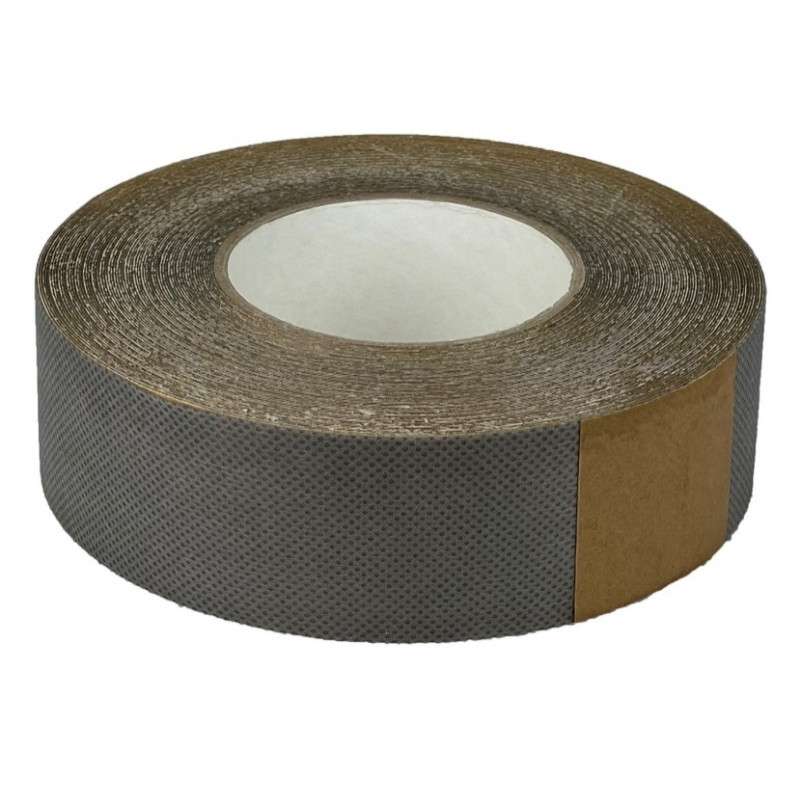
A membrana hidrofuga represents a critical advancement in modern building envelope design, specifically engineered to balance moisture protection with vapor permeability. This specialized barrier material allows buildings to breathe naturally while preventing liquid water intrusion, creating an optimal microclimate within wall assemblies. Understanding how a membrana hidrofuga maintains wall breathability efficiently requires examining both its physical properties and its role within the broader context of building science. The performance of a membrana hidrofuga directly influences indoor air quality, structural longevity, and energy efficiency across residential and commercial applications.
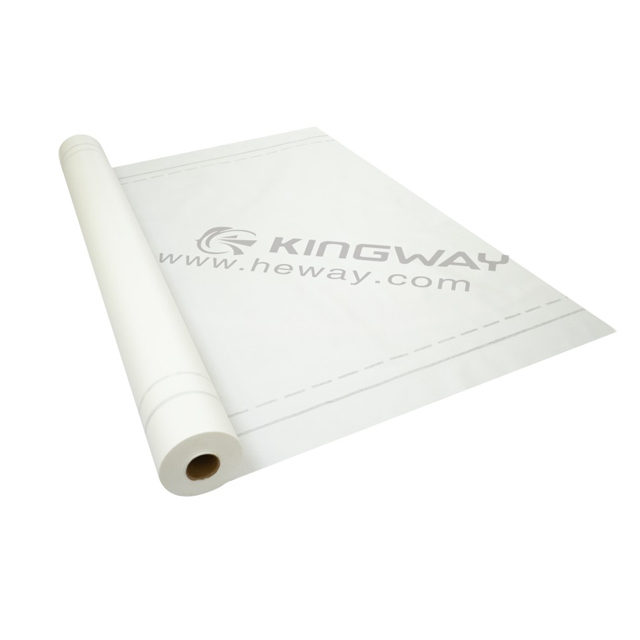
The fundamental principle behind a membrana hidrofuga is its ability to function as a selective barrier, permitting water vapor molecules to escape while blocking bulk liquid water from penetrating the wall assembly. This dual-action capability stems from the membrane's microscopic pore structure and material composition, which has been refined through decades of European and international building standards. When properly installed, a membrana hidrofuga becomes an indispensable component of effective wall systems, particularly in regions with significant moisture challenges or humid climates where condensation risks are elevated.
How Membrana Hidrofuga Regulates Vapor Permeability
Understanding Vapor Diffusion Resistance
The vapor diffusion resistance factor is the primary metric determining how effectively a membrana hidrofuga manages moisture movement through walls. This factor, often expressed as a dimensionless value (SD value or equivalent air layer thickness), quantifies the resistance of a membrana hidrofuga to water vapor transmission relative to still air. A properly selected membrana hidrofuga exhibits variable resistance depending on whether walls face drying inward or outward, allowing the membrane to adapt to seasonal moisture gradients. This intelligent behavior ensures that a membrana hidrofuga prevents moisture accumulation on either side of the wall assembly while maintaining sufficient vapor permeability to allow trapped moisture to escape gradually.
Pore Structure and Molecular Movement
The microscopic architecture of a membrana hidrofuga comprises millions of interconnected pores engineered to allow water vapor molecules to pass while blocking larger liquid water droplets. The pore size typically ranges from 0.2 to 0.5 micrometers, creating a labyrinth that favors vapor transmission while creating surface tension barriers against liquid penetration. When moisture conditions change seasonally, a membrana hidrofuga maintains consistent performance by allowing bidirectional vapor movement, preventing the buildup of condensation that compromises insulation effectiveness and promotes mold growth. This pore-level design philosophy explains why a membrana hidrofuga outperforms traditional plastic sheeting in modern construction where breathability is essential.
Integration Within Multilayer Wall Systems
Positioning Within the Building Envelope
The placement of a membrana hidrofuga within a wall assembly dramatically affects its ability to maintain wall breathability efficiently. Most building science standards recommend installing a membrana hidrofuga on the external face of insulation layers, creating a capillary break that interrupts water migration while allowing vapor to diffuse outward during cold months. The positioning of a membrana hidrofuga relative to other layers—such as air barriers, insulation, vapor retarders, and cladding systems—determines the overall drying potential of the wall. When a membrana hidrofuga is correctly layered with complementary materials, it functions as part of a drying strategy rather than as an isolated barrier, significantly improving wall performance under real-world weather cycles.
Compatibility with Insulation and Air Barriers
Modern wall design requires a membrana hidrofuga to work synergistically with fiber insulation, rigid foam, or mineral wool while maintaining clear separation from incompatible air barrier systems. A membrana hidrofuga allows water vapor from indoor sources to diffuse through insulation layers and exit through the external face, preventing condensation at the insulation-sheathing interface where mold risk peaks. When combined with an appropriately specified air barrier on the interior, a membrana hidrofuga creates a robust system where air leakage is minimized while vapor movement remains controlled and directional. The relationship between a membrana hidrofuga and insulation material choice directly influences how efficiently the overall assembly maintains wall breathability across seasonal temperature and humidity cycles.
Performance Benefits and Long-Term Durability
Moisture Management and Structural Protection
The primary performance advantage of specifying a membrana hidrofuga is its demonstrated ability to reduce wood decay, metal corrosion, and mineral fiber degradation associated with chronic moisture exposure. Field studies and laboratory testing confirm that walls incorporating a membrana hidrofuga experience significantly lower moisture content in structural members compared to walls relying solely on material absorption and evaporation. The protective function of a membrana hidrofuga extends the lifespan of wooden framing, oriented strand board, and fasteners by years or decades depending on regional climate severity. This durability advantage translates into reduced maintenance costs and improved building resilience, particularly important in freeze-thaw regions or humid subtropical climates where moisture-related damage accelerates rapidly.
Energy Efficiency and Condensation Prevention
A membrana hidrofuga maintains wall breathability in ways that directly support energy efficiency objectives by preventing interstitial condensation that reduces insulation performance. Wet or damp insulation loses thermal resistance, requiring thicker insulation layers to achieve equivalent R-values, increasing material and labor costs substantially. The condensation-prevention capability of a membrana hidrofuga also reduces the thermal bridging effects that occur when moisture creates ice lenses or ice bridges at penetrations and fasteners. Building owners and designers select a membrana hidrofuga specifically because it preserves the thermal performance assumptions built into design calculations, ensuring that modeled energy savings actually materialize in operation. Additionally, maintaining dry walls through effective use of a membrana hidrofuga reduces the need for mechanical dehumidification systems, further improving building energy profiles.
FAQ
What exactly is a membrana hidrofuga and why do buildings need it?
A membrana hidrofuga is a specialized breathable barrier membrane designed to allow water vapor to escape walls while preventing liquid water entry. Buildings need a membrana hidrofuga to manage moisture that naturally enters walls through interior humidity, construction moisture, and exterior water penetration, protecting structural integrity and maintaining insulation performance. The membrana hidrofuga essentially acts as a selective gateway, permitting beneficial drying while blocking harmful moisture accumulation that leads to decay, mold, and thermal degradation.
How does a membrana hidrofuga differ from standard plastic sheet barriers?
A membrana hidrofuga incorporates engineered pore structures that facilitate vapor diffusion, whereas conventional plastic sheeting blocks all moisture movement entirely. Plastic barriers trap moisture within walls, creating condensation zones and reducing insulation effectiveness over time, while a membrana hidrofuga maintains wall breathability by enabling controlled vapor transmission. The performance difference is substantial in humid or coastal climates where a membrana hidrofuga prevents moisture accumulation that plastic barriers cannot address, resulting in superior long-term building durability.
Can a membrana hidrofuga be installed on either side of insulation?
Installation location for a membrana hidrofuga depends on climate zone and wall orientation, with most applications placing it externally to create capillary breaks and enable inward drying. In some cold climates, a membrana hidrofuga may be positioned internally with variable vapor resistance to permit seasonal drying direction changes, though external placement remains standard for maintaining consistent wall breathability. Professional specifications for membrana hidrofuga installation should always reference local building codes and climate data to determine optimal positioning for your specific project requirements.