Airtight Tape for Reliable Building Seals

airtight tape

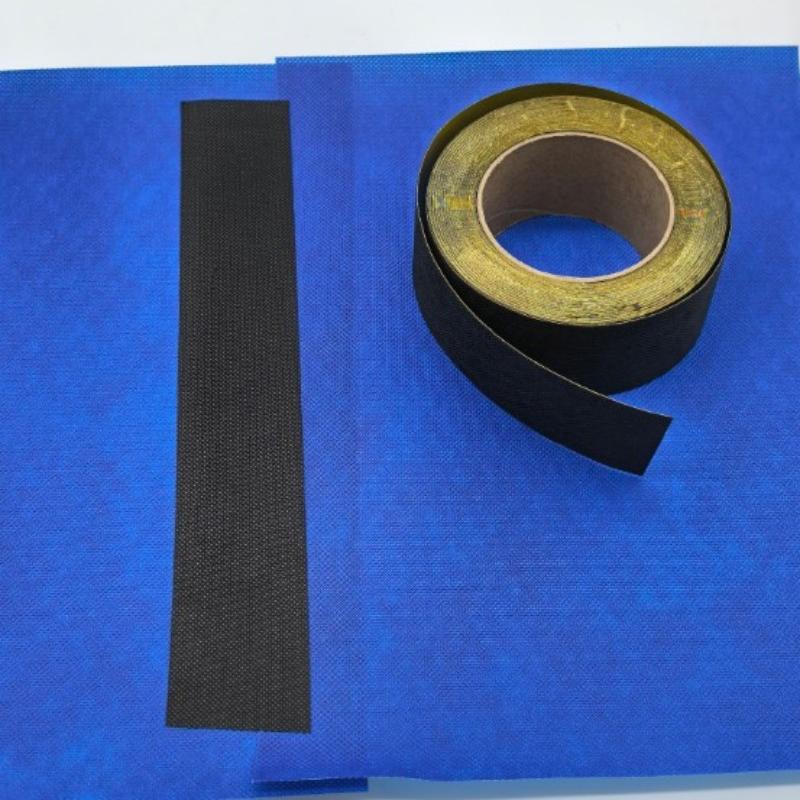
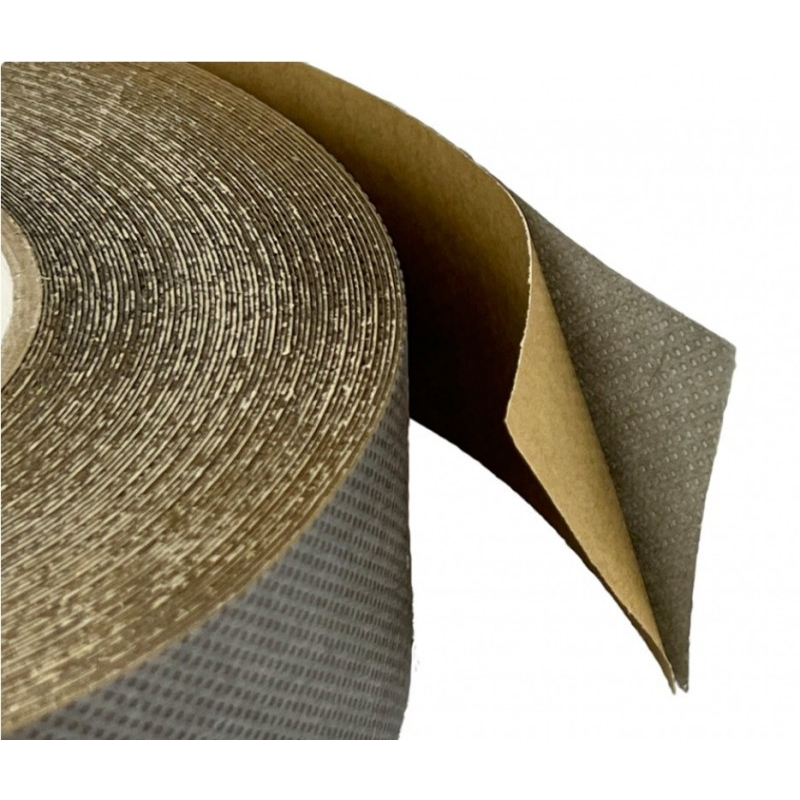
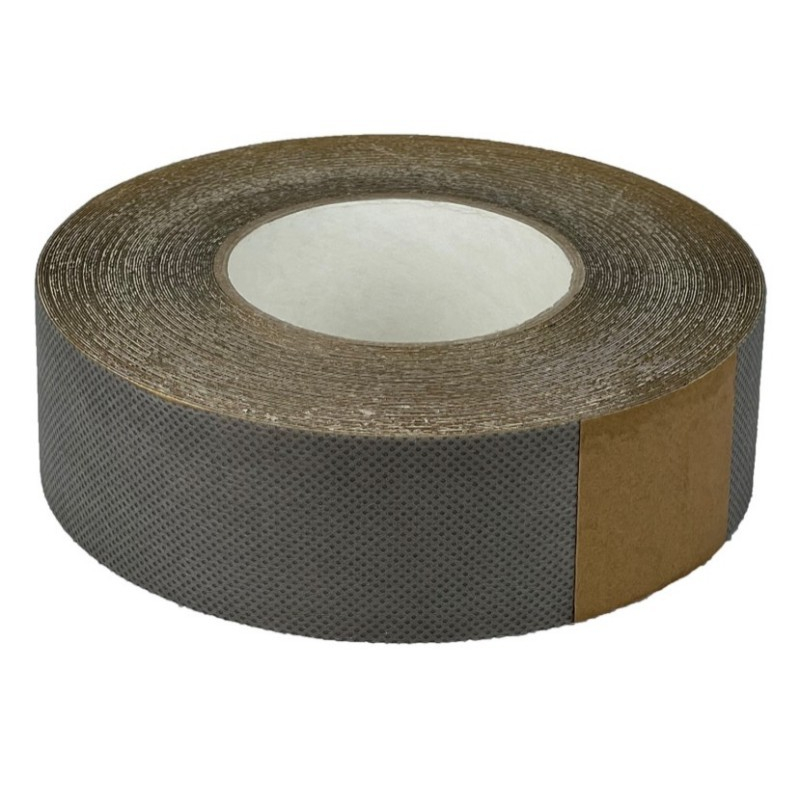
Airtight tape is a pressure-sensitive sealing material designed to close joints, gaps, seams, and penetrations in building envelopes and technical assemblies. Unlike ordinary household tape, airtight tape creates a continuous barrier that limits uncontrolled air movement while helping protect against dust and moisture. It supports airtight construction around membranes, insulation boards, sheathing, windows, doors, ducts, and service openings. Airtight tape commonly uses a flexible polymer backing, a strong adhesive layer, and a release liner that protects the bonding surface before use. Some versions use reinforced film for extra tear resistance, while others remain highly flexible for corners and uneven surfaces. This technology allows airtight tape to follow small movements caused by temperature changes, vibration, or material expansion without losing contact. The adhesive can bond to materials such as timber, metal, concrete, glass, plastic, and coated panels, depending on the product grade. In wall and roof systems, airtight tape joins overlapping membranes and repairs small cuts or punctures. Around windows, airtight tape seals the connection between the frame and surrounding construction. For ventilation work, airtight tape can close joints on selected ducts and fittings. Its clean application also helps installers finish projects faster with fewer separate sealants. Airtight tape is available in different widths, colors, backing types, and adhesive strengths to match project conditions. A suitable airtight tape should provide reliable adhesion, remain stable through seasonal changes, and offer enough flexibility for the intended surface. When correctly selected and installed, airtight tape helps create a more controlled, durable, and energy-conscious building enclosure.

New Product Releases

The main advantage of airtight tape is simple: it closes weak points that can otherwise allow unwanted air to pass through a structure. By using airtight tape at seams and connections, buyers can improve the continuity of a wall, roof, or floor barrier without relying on complex tools. This can reduce drafts, support more stable indoor temperatures, and help heating or cooling equipment work more efficiently. The result may include better comfort and lower energy waste over the life of the building. Airtight tape also gives installers a practical way to handle details that are difficult to seal with rigid materials. It bends around corners, follows curved edges, and bridges small surface gaps when the selected product has suitable flexibility. A wide roll can cover long joints quickly, while a narrow format can fit around frames, cables, and pipe penetrations. The peel-and-stick format keeps application straightforward: measure, cut, position, press, and check the bond. Many products allow immediate progress without drying time, which can shorten labor schedules. Strong adhesion also reduces the risk of loose edges that may require costly callbacks. For renovations, airtight tape can repair existing membranes or improve older connections without removing large sections of the assembly. For new construction, it supports consistent sealing during installation and makes visible quality checks easier. Buyers should compare surface compatibility, temperature range, resistance to aging, width, and expected movement before ordering. A product intended for rough timber may not suit dusty masonry or low-energy membrane systems. Choosing the right airtight tape helps prevent waste, improves application reliability, and protects the value of the finished work. It is especially suitable when a fast, clean, flexible, and measurable sealing method matters.

Latest News

Why is a commercial-grade house wrap essential for modern facades?

08

Jul

Why is a commercial-grade house wrap essential for modern facades?

Modern building facades face constant exposure to wind-driven rain, temperature swings, and moisture intrusion. A high-performance house wrap addresses all of these challenges simultaneously. When construction teams install a commercial-grade house w...
View More
What are the structural advantages of our high-adhesion single sided tape?

10

Aug

What are the structural advantages of our high-adhesion single sided tape?

High-adhesion single sided tape represents a critical advancement in industrial bonding solutions, particularly for applications requiring durable connections between breathable membranes and vapor barriers. Unlike conventional adhesive tapes, high-a...
View More
Why do international contractors buy our certified membrana hidrofuga?

14

Sep

Why do international contractors buy our certified membrana hidrofuga?

International contractors consistently choose our membrana hidrofuga for one fundamental reason: proven performance under demanding conditions. When builders and developers work across multiple continents and climate zones, they need materials that d...
View More
Why is our factory-direct roofing underlayment a top global choice?

27

Oct

Why is our factory-direct roofing underlayment a top global choice?

The construction industry demands materials that combine durability, affordability, and proven performance. Roofing underlayment has become an essential component in modern building projects, serving as a critical barrier between the roof deck and th...
View More

Get a Free Quote

Our representative will contact you soon.
Email
Name
Company Name
Message
0/1000

airtight tape

Strong Adhesion Across Critical Joints

Strong Adhesion Across Critical Joints

Airtight tape delivers dependable bonding where separate materials meet, including membrane overlaps, panel joints, and window connections. Its adhesive layer is designed to grip a prepared surface and maintain contact after firm pressure is applied. This matters because even a small open edge can weaken the performance of an otherwise well-sealed assembly. With airtight tape, installers can create a broad bonded area instead of depending on a thin bead that may shrink, crack, or separate. The result is a more consistent seal that supports long-term project quality. Before applying, users should remove dust, oil, loose particles, and standing moisture so the adhesive can perform properly. A roller or clean hand pressure can help remove air pockets and improve contact. This feature brings direct value to contractors: fewer corrections, cleaner finishes, and greater confidence during inspection. It also benefits property owners by helping preserve comfort and enclosure performance after the project is complete. When the substrate and grade match, airtight tape forms a practical connection that remains secure through normal building movement.
Flexible Protection Against Movement

Flexible Protection Against Movement

Building materials expand, contract, settle, and vibrate as seasons and operating conditions change. A rigid seal may struggle under this movement, but flexible airtight tape can stretch and conform while continuing to cover the joint. This makes it useful for corners, irregular transitions, curved details, and connections between materials with different movement rates. The backing can follow the shape of the surface without requiring extensive cutting or complicated fitting. That flexibility saves time and helps reduce installation errors, particularly in areas where access is limited. It also lowers the chance of exposed gaps forming after the first installation. For renovators, airtight tape can adapt to existing construction that is not perfectly straight or uniform. For new projects, it helps workers maintain a continuous barrier across complicated details. Users should still avoid stretching the tape excessively during application and should select a grade suited to the expected temperature and movement range. Used correctly, airtight tape combines a clean appearance with practical resilience. The benefit is not just a sealed joint on installation day, but a connection better prepared for everyday building changes.
Fast, Clean Installation for Many Uses

Fast, Clean Installation for Many Uses

Airtight tape offers a convenient peel-and-stick process that supports efficient work on busy sites, in workshops, and during home improvements. The installer can cut the required length, remove the liner, place the tape, and press it firmly into position. This process requires no mixing, curing period, or specialist dispensing equipment. It allows work to continue quickly and makes small repairs easy to complete without opening the surrounding assembly. The product is useful for sealing roof and wall membranes, window interfaces, service penetrations, ventilation joints, insulation details, and selected outdoor enclosures. Different widths help users match the tape to the size of the joint, while reinforced options can provide extra resistance during handling. Clear or colored surfaces may also make inspection easier, depending on the design. For purchasing teams, this broad suitability can reduce the number of sealing products kept in stock. For installers, lightweight rolls simplify transport and placement. Airtight tape also produces less mess than liquid sealants when handled carefully. Buyers should confirm the surface, exposure level, and required durability before choosing a roll. The right product gives customers a repeatable sealing method that supports speed, neatness, and dependable finishing quality.

Get a Free Quote

Our representative will contact you soon.
Email
Name
Company Name
Message
0/1000