
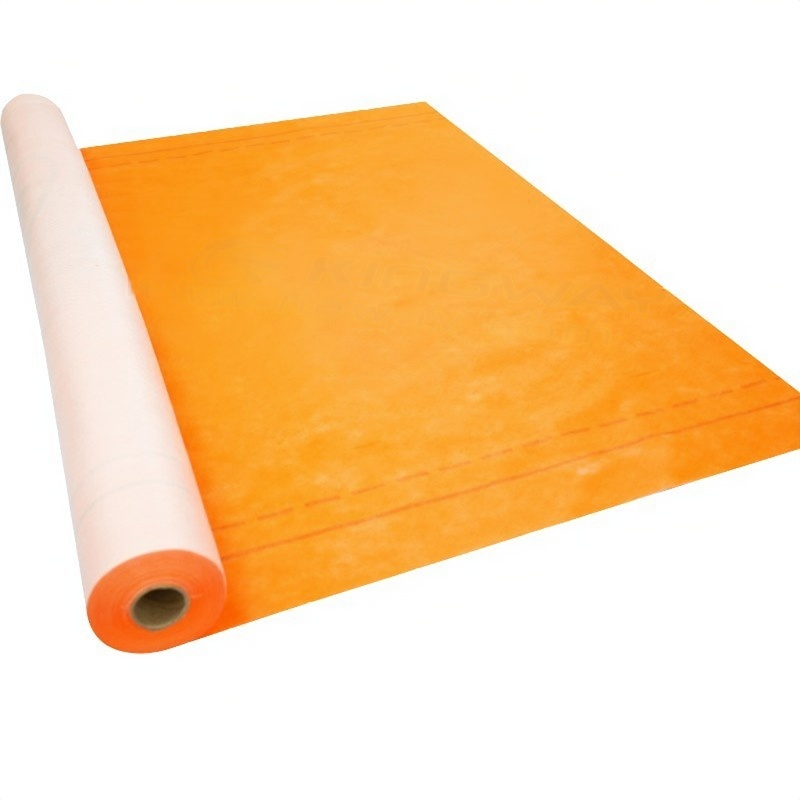
Modern building facades face constant exposure to wind-driven rain, temperature swings, and moisture intrusion. A high-performance house wrap addresses all of these challenges simultaneously. When construction teams install a commercial-grade house wrap beneath exterior cladding, they create a critical weather-resistant barrier that defends the building envelope against the forces that cause the most costly long-term damage. Understanding why house wrap is not optional but essential starts with recognizing the real threats modern facades must overcome every single day.
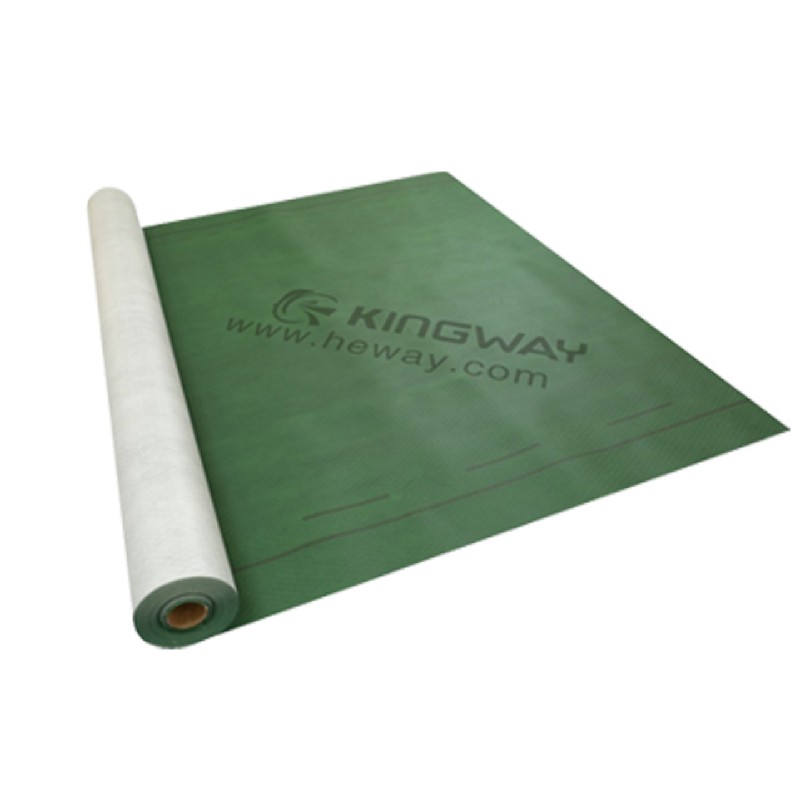
Commercial-grade house wrap is engineered to a much higher standard than standard residential products. It combines waterproof protection with breathable vapor management, ensuring that while liquid water is kept out, moisture trapped inside the wall assembly can still escape. This balance is what makes house wrap a non-negotiable component in any modern facade system. Without a reliable house wrap layer, buildings are vulnerable to structural degradation, mold growth, and dramatically reduced thermal performance — all of which translate directly into higher operating costs and liability exposure for building owners.
How House Wrap Protects Against Moisture and Air Infiltration
The Moisture Barrier Function of House Wrap
The primary role of house wrap in a modern facade is to act as a continuous water-resistive barrier. Even behind high-quality cladding materials, water finds pathways through joints, fastener holes, and material gaps. A properly installed house wrap prevents this water from reaching the structural sheathing and framing beneath. Commercial-grade house wrap uses tightly woven polypropylene or polyethylene fiber technologies that repel liquid water while maintaining structural integrity under prolonged exposure. This means house wrap does not sag, tear, or lose effectiveness after years of service, which is critical for commercial applications where wall assemblies are not easily accessible for repair.
Beyond resisting bulk water, house wrap also manages capillary moisture — the slow migration of water vapor through building materials. In commercial facades, where wall assemblies are thicker and more complex, trapped moisture creates ideal conditions for mold and rot. House wrap with high vapor permeability allows this moisture to escape outward, keeping wall cavities dry and healthy. The performance difference between a standard house wrap and a commercial-grade house wrap is measurable precisely in these demanding conditions.
Air Barrier Performance of House Wrap
House wrap also functions as an air barrier, reducing uncontrolled airflow through the building envelope. Air infiltration is one of the leading causes of energy loss in commercial buildings. When house wrap is installed correctly with properly sealed laps and taped seams, it dramatically reduces the volume of conditioned air that escapes through the facade. This directly improves HVAC efficiency and lowers energy consumption. Modern commercial-grade house wrap products are tested to meet strict air permeance standards, confirming that house wrap contributes meaningfully to a building's overall energy performance rating. For architects and developers seeking green building certifications, house wrap performance data is often a required submission.
The Structural and Thermal Benefits of Commercial-Grade House Wrap
Protecting the Building Structure Through House Wrap
When moisture and air are controlled by house wrap, the building structure benefits directly. Wood framing and sheathing that remain dry retain their load-bearing capacity far longer than those exposed to recurring moisture cycles. Commercial projects often involve large, expensive structural systems where any moisture-driven deterioration carries enormous remediation costs. Installing a durable house wrap at the time of construction is one of the most cost-effective protective investments available. House wrap acts as a sacrificial layer that absorbs stress from the environment so the structural components behind it do not have to. The longevity of a commercial facade is therefore closely tied to the quality and continuity of the house wrap installation.
House Wrap and Thermal Envelope Efficiency
Thermal performance in a modern facade depends on more than just the insulation layer. House wrap plays a supporting role by eliminating air gaps that allow thermal bridging and convective heat loss. A continuous, well-sealed house wrap installation ensures that insulation performs at its rated value rather than losing efficiency due to air washing — the process where airflow through insulation reduces its effective thermal resistance. Commercial buildings with properly installed house wrap consistently show better energy audit results. Over a building's operational lifetime, the energy savings enabled by high-quality house wrap translate into significant cost reductions that far exceed the initial material investment.
Installation Standards and Material Quality for Modern Facades
Why Material Quality Defines House Wrap Performance
Not all house wrap products deliver equivalent performance. Commercial-grade house wrap is typically manufactured at higher GSM weights, such as 160 GSM, which provides greater tear resistance, UV stability during construction exposure, and long-term durability. Lighter, lower-grade house wrap products may perform adequately in simple residential applications but are insufficient for the larger panel sizes, longer exposure windows, and higher mechanical stress of commercial facade construction. Specifying commercial-grade house wrap ensures that the product will maintain its water-resistive and air-barrier functions throughout the full service life of the facade system.
Correct Installation Practices for House Wrap
The performance of house wrap is only as reliable as the quality of its installation. Commercial-grade house wrap must be installed with proper horizontal laps — typically upper layers overlapping lower layers — to shed water like a drainage plane. All seams, penetrations, and window and door rough openings must be taped with compatible flashing tape to maintain continuity. House wrap tears or improperly lapped sections create vulnerabilities that water and air will exploit over time. Training installation crews on house wrap best practices is as important as selecting the right product. When house wrap is installed correctly, it forms an unbroken protective envelope that performs reliably for decades.
FAQ
What makes commercial-grade house wrap different from standard house wrap?
Commercial-grade house wrap is manufactured to higher material weight and durability standards than basic residential house wrap. It offers greater tear resistance, better UV tolerance during installation exposure, and superior long-term performance under the mechanical and environmental demands of commercial facade systems. Standard house wrap may not meet the performance thresholds required for large-scale commercial projects.
Can house wrap improve a building's energy efficiency?
Yes, house wrap contributes directly to energy efficiency by reducing air infiltration through the building envelope. When house wrap is correctly installed with sealed seams and laps, it prevents conditioned air from escaping and outdoor air from entering uncontrolled. This supports insulation performance and reduces HVAC load. Many commercial buildings rely on house wrap as part of a certified energy-efficient wall assembly.
How long does commercial-grade house wrap last in a facade system?
High-quality commercial-grade house wrap is designed to last the full service life of the facade — often 25 years or more — when properly installed and protected by exterior cladding. The durability of house wrap depends on material quality, correct installation, and protection from prolonged UV exposure after installation. Choosing a robust house wrap product from the outset is the most reliable way to ensure long-term facade performance.