A durable membrana hidrofuga is more than just a moisture barrier—it is a critical component in modern residential construction that directly influences energy efficiency, indoor comfort, and long-term structural integrity. As homeowners and builders increasingly recognize the importance of energy performance, the role of a high-quality membrana hidrofuga has become essential in achieving thermal stability and reducing operational heating and cooling costs. This waterproof, breathable membrane works by preventing liquid water penetration while allowing water vapor to escape, creating an optimal moisture management environment that supports the entire building envelope's thermal performance.
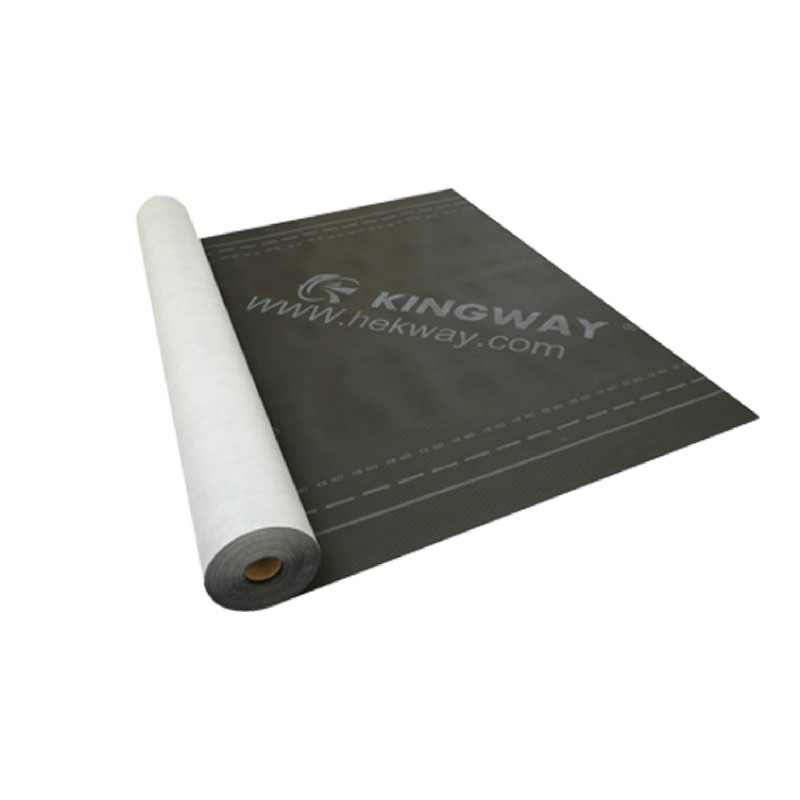
Understanding how a membrana hidrofuga improves residential energy efficiency requires examining the relationship between moisture management, thermal conductivity, and building envelope performance. When moisture accumulates within wall cavities or roof assemblies, it degrades insulation effectiveness and promotes thermal bridging, both of which significantly increase energy consumption. A properly installed membrana hidrofuga prevents this degradation by maintaining a dry building cavity while allowing breathability, ensuring that insulation materials maintain their rated R-value performance throughout the home's lifespan.
How Membrana Hidrofuga Enhances Thermal Performance
Moisture Prevention and Insulation Preservation
The primary mechanism by which a membrana hidrofuga improves energy efficiency is through moisture prevention. Insulation materials—fiberglass, cellulose, mineral wool, and foam—all experience significant performance degradation when exposed to moisture. A membrana hidrofuga creates a protective barrier that prevents rainwater, wind-driven moisture, and condensation from entering the insulated cavity. This protection ensures that insulation retains its thermal resistance rating, which directly translates to reduced heating and cooling loads throughout the year. In cold climates, this moisture control becomes even more critical, as vapor diffusion through exterior walls can lead to condensation and freeze-thaw cycles that destroy both insulation and structural materials.
Vapor Permeability and Drying Potential
Unlike traditional vapor barriers that trap moisture, a high-quality membrana hidrofuga offers strategic vapor permeability, allowing trapped moisture to migrate back to the exterior or interior depending on seasonal pressure differentials. This 'smart' vapor management capability of a membrana hidrofuga prevents moisture accumulation that would otherwise reduce insulation effectiveness by 50 percent or more. During summer months, a membrana hidrofuga allows inward vapor drive to be managed safely, while during winter, it permits drying toward the interior when combined with appropriate interior finishes. This dual-direction moisture management ensures that the building envelope maintains its thermal integrity regardless of seasonal variations.
Energy Efficiency Benefits Across Climate Zones
Cold Climate Applications
In cold climates, a membrana hidrofuga performs a critical role by preventing condensation within wall cavities where exterior temperatures are consistently below the dew point. When external surfaces are very cold and interior air is warm and humid, condensation naturally forms—unless a membrana hidrofuga blocks liquid water while allowing vapor to escape safely. This functionality directly reduces the heating energy required, as the insulation layer maintains consistent R-value performance throughout winter months. Building owners in northern regions report measurable energy savings when upgrading to a durable membrana hidrofuga, with improved comfort and reduced risk of mold or structural damage. The membrana hidrofuga essentially extends the lifespan of the entire wall assembly by maintaining dry conditions that prevent wood rot, corrosion, and biological growth.
Warm and Humid Climate Performance
In warm, humid climates, a membrana hidrofuga prevents exterior moisture from entering the building envelope during heavy rain events while allowing internal moisture vapor to escape to the exterior. This is particularly important in regions prone to tropical storms or monsoon seasons where wind-driven rain exerts significant pressure on building envelopes. The vapor-open characteristics of a membrana hidrofuga mean that any moisture that does penetrate during extreme weather events can dry quickly to the exterior, preventing mold growth and material degradation. By maintaining a dry insulation layer, the membrana hidrofuga reduces the cooling load required to maintain comfortable interior temperatures, as wet insulation loses thermal performance and adds latent cooling load. The energy efficiency gains from a properly specified membrana hidrofuga in humid climates can range from 10 to 20 percent compared to buildings using inadequate moisture barriers.
Selection Criteria and Installation Considerations for Maximum Efficiency
Membrane Specifications and Performance Ratings
When selecting a membrana hidrofuga for residential applications, several performance metrics directly influence energy efficiency outcomes. Water vapor permeability—measured in perms—should be sufficient to allow drying while still providing moisture protection. A membrana hidrofuga with ratings between 5 and 20 perms typically balances moisture barrier function with vapor transmission, making it suitable for most residential climates. UV resistance is another critical specification, as exposure during construction can compromise the membrane's integrity if not protected. Tensile strength and tear resistance affect installation durability and long-term performance, ensuring the membrana hidrofuga maintains its protective function throughout the building's operational life. The weight and material composition of a membrana hidrofuga also influence its breathability characteristics and thermal performance contribution to the overall building envelope.
Proper Installation and Continuity
The energy efficiency benefits of a membrana hidrofuga are only realized when installed with proper continuity and sealed penetrations. Gaps, tears, or poorly sealed seams in the membrana hidrofuga can significantly compromise performance, allowing wind-driven rain and air infiltration that increase heating and cooling loads. The membrana hidrofuga must be installed shingle-fashion, with proper overlap at seams, and all penetrations—including windows, doors, and mechanical penetrations—must be sealed with compatible tapes or sealants. When installed correctly, a membrana hidrofuga creates an air-barrier function that reduces unwanted air infiltration, which accounts for significant energy losses in residential buildings. The continuity of the membrana hidrofuga across the entire building envelope ensures that thermal performance is consistent and that moisture management is effective across all exterior surfaces. Professional installation or careful attention to manufacturer specifications ensures the membrana hidrofuga delivers its full energy efficiency potential.
FAQ
Does a membrana hidrofuga require any additional materials or accessories for effective energy efficiency performance?
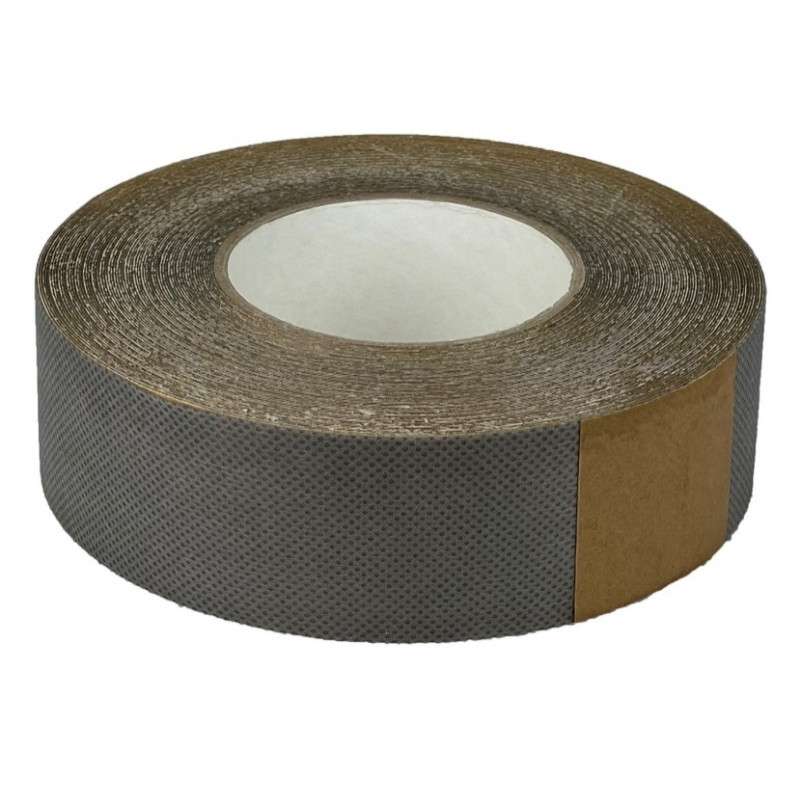
Yes, a membrana hidrofuga performs optimally when combined with compatible materials including specialized tapes for seam sealing, compatible joint fasteners, and proper air-sealing products at penetrations. The tape used on a membrana hidrofuga must be designed for long-term adhesion and UV resistance if the membrane will be exposed during construction. Additionally, the exterior cladding or weather-resistant barrier should be installed with adequate drainage plane separation from the membrana hidrofuga to allow air circulation and drying. Interior vapor management—through proper paint selection or interior air barriers—should complement the membrana hidrofuga to create a balanced vapor-management system.
How long does a membrana hidrofuga typically last, and does its energy efficiency performance degrade over time?
A high-quality membrana hidrofuga can last 30 to 50 years or longer when properly installed and protected from UV exposure. The membrane's energy efficiency performance remains consistent throughout its lifespan as long as the physical barrier remains intact and seams remain sealed. Degradation typically occurs only if the membrana hidrofuga is exposed to prolonged UV radiation without protection, mechanical damage, or chemical exposure. Regular inspection of roof and wall assemblies can identify any damage to the membrana hidrofuga early, ensuring that repairs can be made before compromising the building envelope's thermal and moisture performance.
Can a membrana hidrofuga retrofit improve energy efficiency in existing residential buildings?
Yes, retrofitting with a membrana hidrofuga during renovation or re-roofing projects can significantly improve energy efficiency by restoring moisture management and insulation performance. When existing structures are re-sided or re-roofed, installing a new membrana hidrofuga addresses moisture issues that may have developed over time and reduces ongoing energy losses. The energy savings from a membrana hidrofuga retrofit are typically evident within the first heating or cooling season, as the improved insulation performance and reduced air infiltration directly lower utility costs. Retrofit installation is often more cost-effective than new construction installation, as it can be coordinated with other envelope work to minimize labor and coordination complexity.
Table of Contents
- How Membrana Hidrofuga Enhances Thermal Performance
- Energy Efficiency Benefits Across Climate Zones
- Selection Criteria and Installation Considerations for Maximum Efficiency
-
FAQ
- Does a membrana hidrofuga require any additional materials or accessories for effective energy efficiency performance?
- How long does a membrana hidrofuga typically last, and does its energy efficiency performance degrade over time?
- Can a membrana hidrofuga retrofit improve energy efficiency in existing residential buildings?