
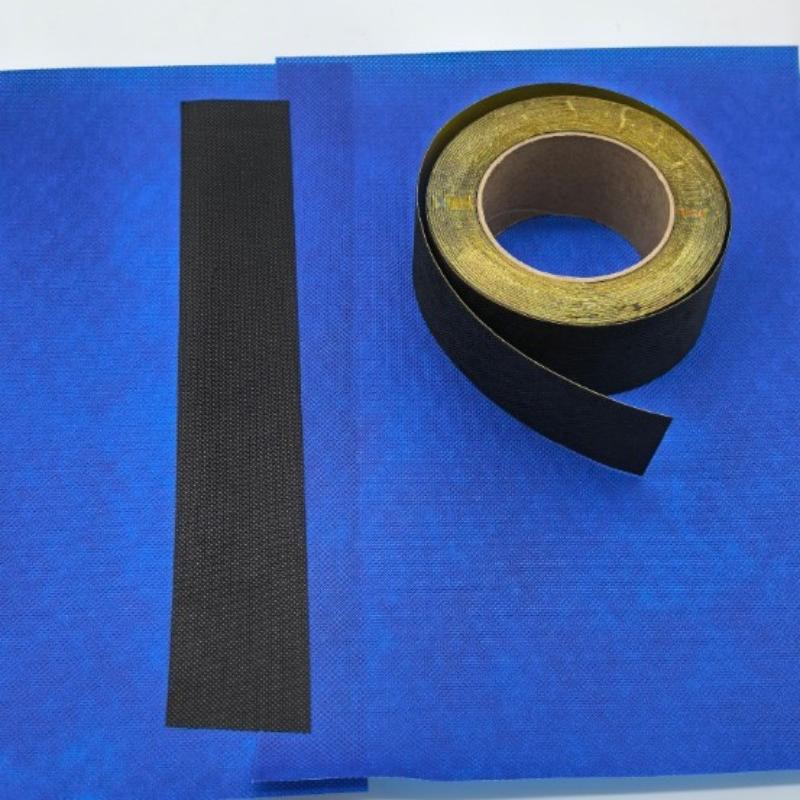
When it comes to sealing flashing joints in construction and weatherproofing applications, choosing the right material makes a profound difference in long-term building performance. Single sided tape has emerged as the industry standard for this critical task, offering a balance of durability, ease of application, and reliable moisture protection that other solutions struggle to match. Understanding why single sided tape stands out requires examining the specific demands of flashing joint applications and how this product directly addresses those challenges.
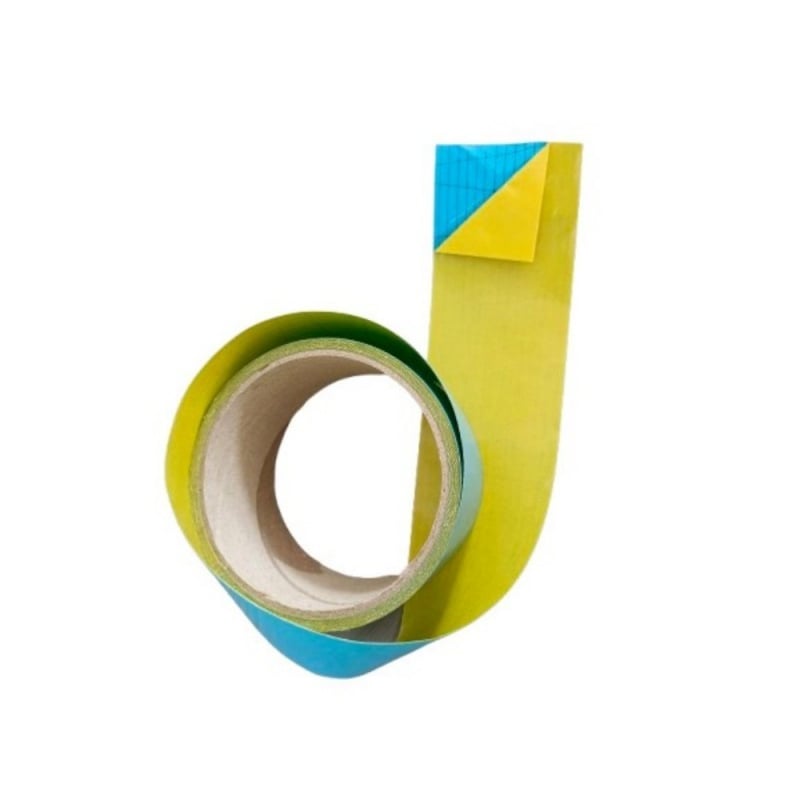
Flashing joints represent one of the most vulnerable points in building envelopes. These transitions between materials, surfaces, and structural elements are exposed to constant thermal cycling, wind-driven rain, UV radiation, and mechanical stress. Single sided tape provides a solution that bridges these gaps while accommodating the natural movement and expansion that occurs in real-world construction conditions. This article explores the technical advantages, installation benefits, and performance characteristics that make single sided tape the preferred choice for professionals managing flashing joint integrity across residential, commercial, and industrial projects.
Superior Adhesive Properties and Weather Resistance
Engineered for Long-Term Durability
Single sided tape is specifically formulated to maintain its adhesive strength under the extreme conditions that flashing joints experience. Unlike standard general-purpose tapes, single sided tape uses advanced pressure-sensitive adhesive systems that bond securely to breathable membranes, vapor barriers, metal substrates, and lumber surfaces without degrading over decades of exposure. The adhesive in single sided tape resists UV degradation, maintains flexibility across temperature ranges from below freezing to elevated heat, and does not become brittle or lose tack with age.
The weather resistance built into single sided tape prevents water infiltration at the joint line, which is the primary failure mode in flashing systems. Single sided tape creates a continuous seal that blocks both liquid water and water vapor transmission when applied correctly, protecting the underlying building assembly from moisture accumulation, mold growth, and structural decay. This inherent moisture barrier makes single sided tape vastly superior to mechanical fastening alone, which always leaves small gaps where moisture can penetrate.
Compatibility with Building Materials
A defining advantage of single sided tape is its universal compatibility with the diverse materials found in modern flashing joint applications. Single sided tape adheres reliably to breathable membranes, which are essential for allowing vapor transmission while blocking liquid water. The same single sided tape performs equally well on synthetic vapor barriers, underlayment products, treated lumber, metal flashing, and even rigid insulation materials. This material-agnostic performance means construction teams can specify single sided tape across multiple joint types without needing different products for different substrate combinations.
The chemical compatibility of single sided tape ensures it does not degrade substrates, stain finishes, or leave residue that attracts dirt and mold. This clean compatibility makes single sided tape particularly valuable in renovation and retrofit projects where existing materials must be protected during sealing work.
Installation Efficiency and Application Advantages
Simplified Field Application
Construction timelines benefit significantly from single sided tape because the application process requires minimal training and delivers consistent results regardless of weather conditions within reasonable operational limits. Unlike liquid sealants that cure slowly and are sensitive to humidity, temperature, and surface moisture, single sided tape provides immediate water-blocking protection upon application. Workers apply single sided tape by simply peeling the backing and pressing it firmly onto the prepared surface, with no mixing, spraying equipment, or extended curing time required.
The straightforward application of single sided tape reduces labor costs and accelerates project schedules while maintaining quality control. Since single sided tape creates the seal through physical contact rather than chemical curing, the joint is functional immediately, allowing subsequent construction activities to proceed without waiting. This speed advantage of single sided tape compounds across large projects where hundreds of linear feet of flashing joints may require sealing.
Conformability and Surface Accommodation
Flashing joints rarely present perfectly flat, clean surfaces. Single sided tape accommodates the realities of field conditions through excellent conformability that allows it to bridge minor surface irregularities, dust, and texture variations without losing adhesion. The single-sided design of the tape means one face is the active adhesive layer while the other provides structural backing, allowing single sided tape to mold itself to uneven surfaces while maintaining consistent sealing performance.
This adaptability makes single sided tape particularly effective at transitions between materials with different profiles and at corners where surface geometry changes. Single sided tape stretches slightly under application pressure, conforming to the actual joint topology rather than requiring surfaces to be perfectly prepared to specification tolerances. This forgiving nature of single sided tape reduces surface preparation costs and minimizes the number of joints that fail due to poor substrate condition.
Performance Verification and Long-Term Value
Test-Proven Reliability Standards
Single sided tape formulations used in professional flashing applications undergo rigorous third-party testing to verify performance against industry standards and real-world exposure conditions. Single sided tape products are evaluated for tensile strength, peel resistance, water vapor transmission rates, and thermal aging to ensure they will perform throughout their service life. These test protocols validate that single sided tape maintains adhesive integrity, does not delaminate, and continues blocking water penetration after years of exposure to sunlight, temperature cycling, and moisture.
The published performance data for professional-grade single sided tape provides builders and contractors with documented evidence of reliability, supporting design decisions and warranty claims. When specifications call for single sided tape meeting recognized standards, project teams can proceed with confidence that joints will perform as designed.
Total Cost of Ownership Perspective
Evaluating single sided tape requires considering total cost of ownership rather than initial material cost alone. While single sided tape may cost more per linear foot than some alternative materials, the reduced labor requirements, minimal surface preparation, immediate functionality, and exceptional durability deliver significantly lower total project cost. Buildings sealed with quality single sided tape experience fewer warranty claims related to moisture intrusion, require less maintenance, and maintain structural integrity longer than buildings where cheaper fastening or sealing methods were used.
Property owners benefit from the long-term protection that single sided tape provides at flashing joints, avoiding the expensive water damage repairs, mold remediation, and structural rehabilitation that follow failed flashing sealing. This preventive value proposition makes single sided tape the economically rational choice for professional construction and renovation projects where building performance and durability matter.
FAQ
What surface preparation is required before applying single sided tape to flashing joints?
Surface preparation for single sided tape application involves removing loose debris, dirt, and dust from the joint area using brushing or wiping. The surface should be dry and free of standing water or heavy moisture, though single sided tape can tolerate slightly damp conditions better than most liquid sealants. No priming is required before applying single sided tape, and the material does not need the surface to be perfectly smooth, making preparation straightforward and cost-effective.
How does single sided tape accommodate building movement and thermal expansion at flashing joints?
Single sided tape is formulated with sufficient flexibility and elongation capacity to stretch and contract with the structural movement that occurs as building materials expand and contract with temperature changes. The pressure-sensitive adhesive used in single sided tape maintains bond strength while the tape material itself accommodates dimensional changes, preventing the tape from tearing or pulling away from the substrate. This inherent flexibility is a key reason single sided tape outperforms rigid sealants that become brittle and crack under thermal stress.
Can single sided tape be used in both interior and exterior flashing applications?
Single sided tape performs reliably in both interior and exterior applications, though exterior-grade formulations offer enhanced UV resistance and higher durability for exposed conditions. Interior flashing joints benefit from single sided tape because of its clean, residue-free application and compatibility with interior finishes. For critical exterior flashing where the tape is directly exposed to sunlight and weather, specifying UV-stabilized single sided tape ensures optimal longevity and performance.