
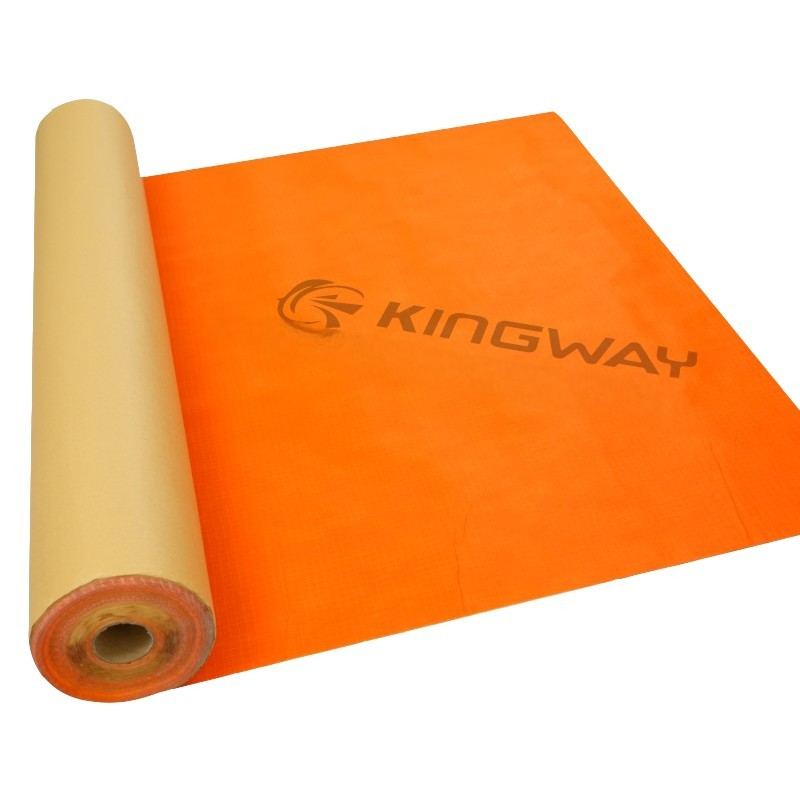
Yes, a high-quality house wrap can significantly enhance your home comfort levels, and the evidence from both building science and real-world construction experience supports this clearly. A house wrap is a protective barrier installed between your exterior sheathing and outer cladding, designed to resist wind-driven moisture while still allowing water vapor to escape from inside the wall assembly. When installed correctly, a house wrap addresses several key comfort-related problems that homeowners often overlook until they are already living in a drafty, damp, or energy-inefficient space.
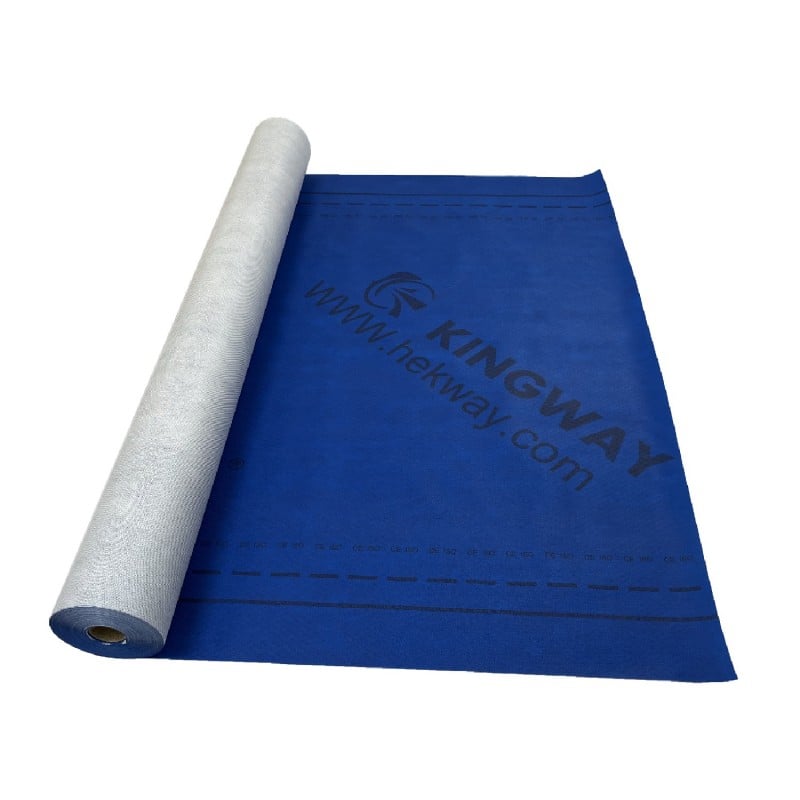
Many builders and homeowners underestimate the role that a house wrap plays in the overall performance of a building envelope. It is not simply a precautionary layer — a house wrap is a functional system that directly influences thermal comfort, indoor air quality, and structural longevity. Choosing the right house wrap, especially one rated for breathability and water resistance, is one of the most cost-effective decisions you can make during new construction or a major renovation project.
How House Wrap Improves Thermal Comfort
Blocking Drafts and Air Infiltration
One of the most immediate ways a house wrap improves comfort is by reducing unwanted air infiltration. Cold drafts entering through wall gaps are a primary source of discomfort in winter, and a properly installed house wrap seals those pathways effectively. When a house wrap is applied with lapped seams and properly taped edges, it acts as a continuous air barrier that prevents external wind pressure from forcing cold air through the wall system. Homeowners who retrofit a house wrap during re-siding projects frequently report a noticeable reduction in drafts and cold spots near exterior walls. This improvement in air tightness means your heating system does not have to work as hard, which also contributes to lower energy bills.
Supporting Consistent Indoor Temperatures
A house wrap works alongside insulation to maintain consistent indoor temperatures throughout the day. Without a house wrap, wind washing — where cold air moves through and around insulation — reduces the effective thermal resistance of the wall assembly significantly. A house wrap prevents this wind washing effect, allowing your insulation to perform at its rated value. The result is a more stable and predictable indoor climate, which is the foundation of genuine home comfort. In summer, a house wrap also helps block radiant heat from penetrating the wall system, supporting the performance of your cooling system in the same way.
Moisture Management and Indoor Air Quality
Water Resistance Without Moisture Trapping
A breathable house wrap is engineered to repel liquid water from the exterior while allowing water vapor generated inside the home to pass outward through the wall assembly. This balance is critical to comfort and health. When moisture becomes trapped inside a wall cavity, it promotes mold growth, accelerates wood rot, and contributes to poor indoor air quality. A high-quality house wrap prevents this scenario by managing the direction and rate of moisture movement. Products rated with a high vapor permeability, such as a 150gsm breathable house wrap membrane, offer the structural protection of a water-resistant barrier without creating a sealed, moisture-trapping environment inside your walls. The house wrap essentially acts as a smart moisture filter for your building envelope.
Protecting Wall Assemblies Over Time
A house wrap that manages moisture effectively also protects the structural integrity of your home over the long term. Rotting sheathing and framing caused by persistent moisture ingress are among the most expensive problems a homeowner can face. When a house wrap is part of a well-designed wall assembly, it dramatically reduces the risk of these issues arising. Fewer structural repairs means less disruption to the living environment and better preservation of your home's thermal envelope over years of use. The long-term comfort benefits of a house wrap therefore extend well beyond the initial installation period.
Energy Efficiency and Its Comfort Connection
Reducing Energy Loss Through the Envelope
A house wrap contributes directly to the energy efficiency of a building, and energy efficiency is closely tied to comfort. When a house wrap reduces air leakage, the HVAC system can maintain desired temperatures more easily, with fewer on-off cycles and less temperature fluctuation in living spaces. Studies in building energy performance consistently show that envelope improvements, including the use of a house wrap, can reduce heating and cooling loads. A house wrap is particularly effective when combined with proper insulation and air sealing at penetrations and transitions. For homes in climates with harsh winters or very hot summers, a house wrap becomes an even more impactful part of the comfort strategy.
Custom Printed House Wrap and Project-Specific Performance
Modern house wrap products are available in custom configurations designed to meet specific project needs. A 150gsm custom printed water-resistant house wrap, for example, offers enhanced durability during the construction phase when the material may be exposed to UV radiation and physical wear before cladding is installed. Choosing a house wrap with appropriate weight and breathability for your climate zone and wall design ensures that the product delivers its intended comfort benefits rather than creating unintended consequences. Specifying the right house wrap for your project is therefore a technical decision, not just a material procurement choice. Working with a supplier who understands house wrap performance specifications is essential to getting this right.
FAQ
Does house wrap make a noticeable difference in home comfort?
Yes, a properly installed house wrap makes a measurable difference in home comfort by reducing drafts, controlling moisture, and supporting insulation performance. Many homeowners notice improved temperature consistency and reduced energy use after a house wrap is correctly applied to their building envelope.
Is house wrap necessary if I already have good insulation?
Yes, a house wrap is still necessary even with high-quality insulation. Insulation alone does not prevent wind washing or moisture intrusion through wall gaps. A house wrap works alongside insulation to ensure it performs at its full rated value and that the wall assembly remains dry and airtight over time.
What type of house wrap is best for improving comfort?
A breathable, water-resistant house wrap with appropriate weight for your climate is generally the best choice for comfort improvement. A house wrap rated for both vapor permeability and water resistance, such as a 150gsm breathable membrane, balances moisture control and air barrier performance effectively for most residential and light commercial construction projects.