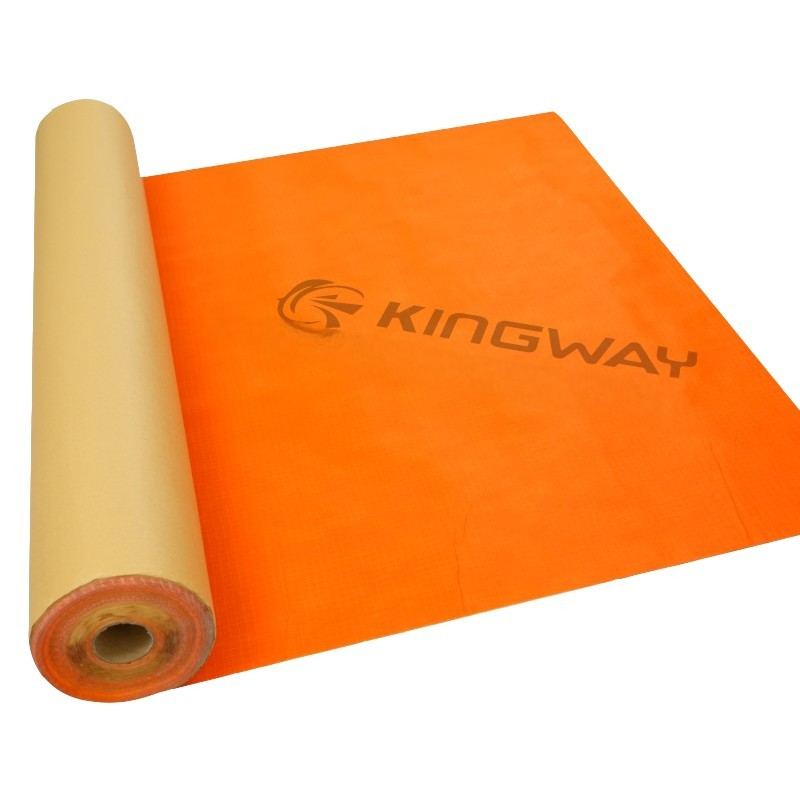
A high-quality house wrap is one of the most cost-effective investments a builder or property owner can make when it comes to long-term energy efficiency. Installed beneath exterior cladding, a house wrap acts as a protective barrier that manages air movement, moisture, and heat transfer simultaneously. Understanding exactly what energy-saving advantages a premium house wrap delivers helps builders, contractors, and property developers make informed decisions that reduce operating costs for years to come.
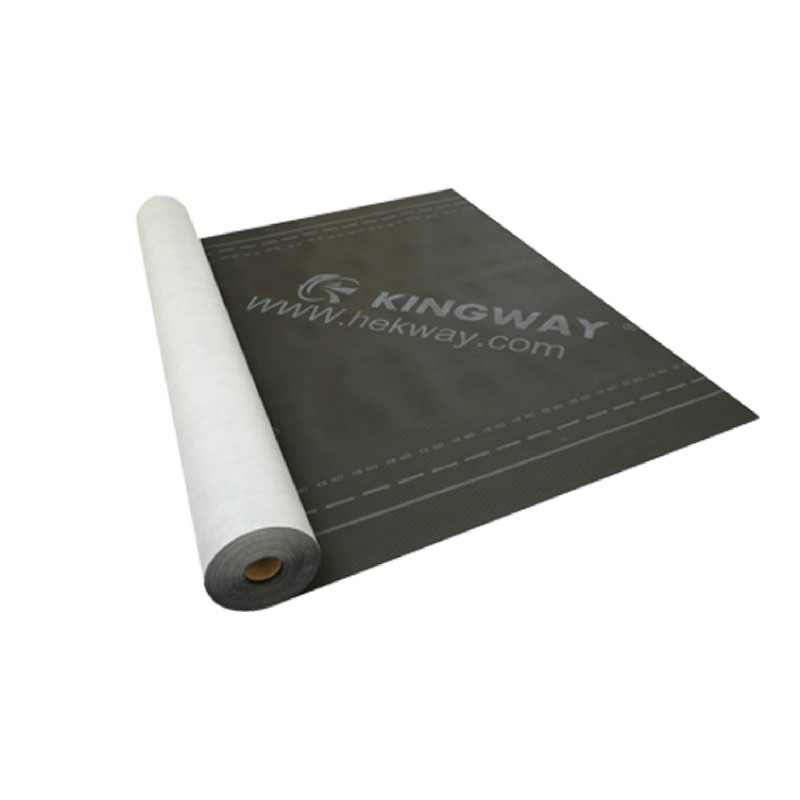
A premium house wrap is engineered with advanced materials that go far beyond basic moisture resistance. It combines breathability, air resistance, and UV stability into a single continuous layer that supports the entire building envelope. When properly installed, a house wrap creates conditions that allow insulation to perform at its rated value, significantly cutting heating and cooling demands throughout every season. The energy-saving benefits of a premium house wrap are direct, measurable, and supported by established building science principles.
Thermal Performance and Air Barrier Function
How House Wrap Reduces Heat Loss and Heat Gain
The single most impactful energy-saving function of a house wrap is its role as a continuous air barrier. Uncontrolled air infiltration is responsible for a significant share of energy loss in residential and commercial buildings. When warm interior air escapes through gaps in winter, or hot exterior air penetrates the wall cavity in summer, the HVAC system must work harder to compensate. A premium house wrap seals these pathways, reducing the volume of unconditioned air that enters or exits the building envelope.
A properly installed house wrap works alongside cavity insulation to preserve thermal resistance. Insulation loses a notable portion of its rated R-value when air moves through or around it freely. By stopping air movement at the wall surface, a house wrap ensures that insulation delivers its full thermal performance. This synergy between the house wrap and the insulation layer is one of the most practical reasons why premium building products consistently outperform basic alternatives in energy audits.
UV Stability and Long-Term Air Barrier Integrity
A premium house wrap with anti-UV treatment resists degradation during the construction phase before cladding is installed. Ordinary house wrap materials can become brittle and develop micro-tears after prolonged sun exposure, which compromises the air barrier permanently. A UV-stable house wrap retains its mechanical strength and airtight properties even after extended exposure on site, ensuring the energy-saving function remains intact for the life of the building.
Moisture Management and Vapor Permeability
The Role of Breathability in Energy Efficiency
One of the distinguishing characteristics of a premium house wrap is high water vapour permeability. A breathable house wrap allows water vapour that has migrated into the wall assembly to escape outward, preventing moisture accumulation within the insulation layer. Wet insulation conducts heat far more readily than dry insulation, meaning that moisture-laden walls lose thermal resistance rapidly. By keeping insulation dry, a breathable house wrap directly preserves the energy performance of the wall system over time.
A house wrap with high vapour permeability is especially important in climates with significant humidity variation across seasons. During warm, humid periods, vapour-drive pushes moisture toward the cooler interior. During cold periods, interior moisture seeks to move outward. A premium house wrap manages these bidirectional moisture pressures, protecting the wall structure from cyclic wetting and drying that degrades both insulation and framing. This moisture control function is a critical, often underestimated, component of sustained energy efficiency.
Waterproofing Without Trapping Moisture
A high-performance house wrap must be simultaneously waterproof on the exterior face and breathable from the interior. This combination prevents liquid water driven by wind and rain from entering the wall cavity, while still allowing internally generated vapour to escape. Without this balance, a house wrap either traps moisture inside the wall or fails to protect against water ingress. A premium house wrap achieves both functions through its engineered microporous membrane structure, which blocks liquid droplets while allowing vapour molecules to pass freely.
Durability, Installation Efficiency, and Building Envelope Performance
Premium House Wrap and Consistent Coverage
The energy-saving advantages of a house wrap are only realized when coverage is complete and consistent. A premium house wrap is manufactured with sufficient tensile strength to withstand installation stresses, wind loads during construction, and fastener pull-through. Lower-quality house wrap products tear during installation, leaving gaps that defeat both air and moisture management. A robust house wrap allows installers to achieve full, uninterrupted coverage across complex wall geometries, including corners, penetrations, and window openings where air and water infiltration risk is highest.
The physical durability of a house wrap also determines how well the energy-saving benefits persist over the building's lifetime. A house wrap that degrades within years of installation will develop air pathways and moisture entry points that progressively erode thermal performance. Investing in a premium house wrap with verified long-term durability means the initial energy efficiency gains remain intact decade after decade, rather than declining as the building envelope degrades.
Supporting Sustainable Building Standards
Buildings that incorporate a premium house wrap consistently score better under energy efficiency rating systems. The combination of airtightness, moisture management, and insulation preservation that a house wrap provides contributes directly to lower calculated heat loads and reduced mechanical system sizing. Smaller HVAC systems consume less energy over their operational life, multiplying the savings that begin with the house wrap installation. For developers and contractors targeting green building certifications or energy compliance standards, specifying a premium house wrap is a foundational step.
FAQ
Does a house wrap replace insulation?
No, a house wrap does not replace insulation. A house wrap functions as an air and moisture barrier within the wall assembly, while insulation provides thermal resistance. The two work together — the house wrap protects the insulation from air movement and moisture, allowing it to perform at full capacity. Both components are necessary for an energy-efficient building envelope.
How does house wrap vapour permeability affect energy savings?
High vapour permeability in a house wrap allows moisture to exit the wall cavity before it saturates the insulation. Wet insulation has significantly lower thermal resistance than dry insulation, so moisture accumulation directly increases energy consumption. A breathable house wrap keeps insulation dry, preserving its R-value and maintaining consistent thermal performance across seasons.
Is a premium house wrap worth the additional cost?
Yes, a premium house wrap delivers measurable long-term value. The upfront cost difference between a premium house wrap and a basic product is small relative to the lifetime energy savings it enables. A premium house wrap also reduces the risk of moisture damage to wall structure and insulation, avoiding costly remediation. The combination of energy savings and structural protection makes a premium house wrap a sound investment for any building project.