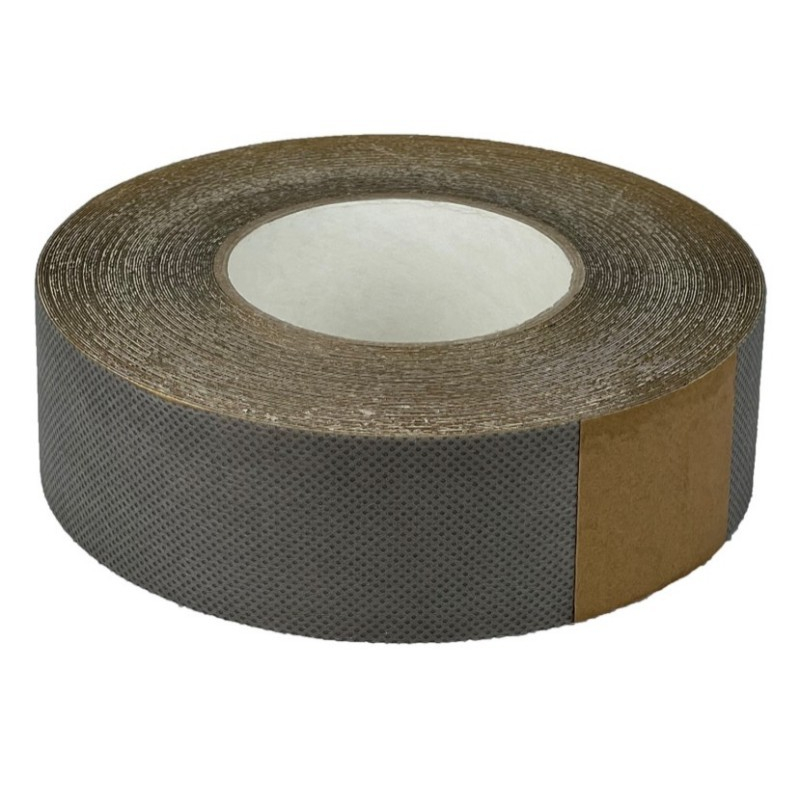
Warehouse climate control is critical to protecting inventory, extending product lifespan, and maintaining operational efficiency. Environmental factors like humidity, moisture infiltration, and temperature fluctuations can damage goods, reduce product value, and create costly maintenance issues. A high-quality membrana hidrofuga offers a proven solution to these challenges by regulating moisture levels, preventing water vapor accumulation, and creating a stable indoor environment. This advanced barrier technology has become essential for modern warehouse operations, particularly in regions with high humidity, seasonal temperature changes, or proximity to moisture-prone areas. Understanding how membrana hidrofuga works and its direct impact on warehouse climate control can help facility managers make informed decisions about infrastructure improvements.
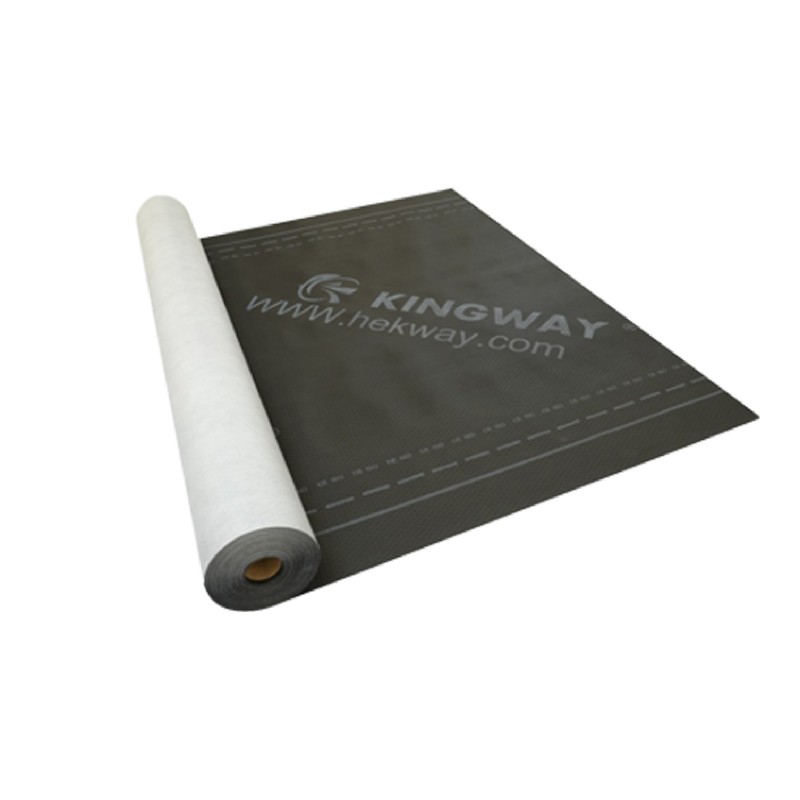
The science behind effective membrana hidrofuga centers on breathability combined with water resistance. Unlike traditional vapor barriers that trap moisture inside structures, a high-quality membrana hidrofuga allows water vapor to escape while blocking liquid water infiltration. This dual-function performance is what makes membrana hidrofuga uniquely effective for warehouse environments. The membrane's engineered fiber structure permits air circulation and vapor transmission, preventing condensation buildup that typically leads to mold growth, structural damage, and poor air quality. For warehouse operators managing sensitive inventory, implementing membrana hidrofuga represents an investment in climate stability and inventory protection.
How Membrana Hidrofuga Improves Moisture Management
Vapor Permeability and Condensation Prevention
Moisture accumulation inside warehouses occurs when warm air meets cold surfaces, creating condensation that settles on walls, ceilings, and stored goods. Traditional non-breathable barriers trap this moisture inside the warehouse structure, accelerating decay and mold formation. A premium membrana hidrofuga solves this problem by permitting water vapor to migrate through the membrane while maintaining structural integrity against liquid water. This vapor-permeable design of membrana hidrofuga is especially critical in climate-controlled warehouses where temperature gradients naturally occur. The result is significantly lower condensation levels, reduced mold risk, and a more stable internal environment for stored products. Facilities using membrana hidrofuga report measurable improvements in air quality metrics and reduced moisture-related damage claims.
Water Intrusion Barriers and Structural Protection
While breathability is essential, membrana hidrofuga must also deliver robust water resistance to protect against infiltration from rain, groundwater, or humid outdoor air. High-performance membrana hidrofuga features a multi-layer construction with water-resistant coatings that repel liquid moisture while allowing vapor diffusion. This protective barrier is installed at critical points in warehouse construction, including roof assemblies, wall cavities, and foundation areas where water intrusion risk is highest. The membrana hidrofuga layer acts as a defensive shield against seasonal flooding, roof leaks, and ground moisture, preventing water from reaching insulation, structural framing, and stored inventory. This combination of moisture blocking and vapor transmission in membrana hidrofuga creates an optimal climate control environment that traditional methods cannot achieve.
Climate Control Benefits for Warehouse Operations
Temperature Stabilization and Energy Efficiency
Warehouse climate control directly impacts both product quality and operational costs. When membrana hidrofuga is properly installed as part of the warehouse envelope, it reduces uncontrolled air infiltration and moisture ingress, allowing HVAC systems to work more efficiently. The reduced moisture load means air conditioning and dehumidification systems require less energy to maintain target humidity levels. A well-designed membrana hidrofuga installation prevents thermal bridging and reduces the temperature differential between outdoor and controlled warehouse spaces. This improved envelope performance means heating and cooling systems maintain setpoint temperatures with less cycle time and energy expenditure. Facilities implementing high-quality membrana hidrofuga report annual energy savings of ten to twenty percent, depending on climate zone and warehouse size.
Product Protection and Inventory Value Preservation
Humidity fluctuations damage numerous product categories including electronics, pharmaceuticals, textiles, and food products. When membrana hidrofuga maintains stable interior humidity by preventing moisture infiltration, products remain within their specified storage conditions longer. High-quality membrana hidrofuga prevents the moisture cycling that causes dimensional changes in materials, product degradation, and packaging deterioration. Many industries require precise humidity control for product compliance, and membrana hidrofuga supports these requirements by reducing random moisture events. Warehouses storing hygroscopic materials, sensitive electronics, or regulated pharmaceuticals benefit significantly from membrana hidrofuga installation because it provides consistent protection against environmental swings. The financial return from prevented inventory damage typically exceeds the cost of membrana hidrofuga installation within the first year of operation.
Installation and Performance Optimization of Membrana Hidrofuga
Proper Installation Practices for Maximum Effectiveness
The performance of membrana hidrofuga depends critically on correct installation technique. The membrane must be installed continuously across the entire warehouse envelope without gaps, tears, or compression that might compromise the vapor-permeable structure. High-quality membrana hidrofuga should be overlapped appropriately at seams, with all penetrations sealed to prevent air leakage paths. Installation teams must understand that membrana hidrofuga has a correct orientation, typically marked on the product, to ensure vapor transmission occurs in the intended direction. Improper installation of membrana hidrofuga can actually trap moisture or allow excessive water infiltration, negating the intended benefits. Professional installation or vendor-provided guidance is essential to ensure that membrana hidrofuga performs according to design specifications and delivers the promised climate control improvements.
Maintenance and Long-Term Performance Monitoring
Once membrana hidrofuga is installed, regular inspection and maintenance help preserve its climate control effectiveness. Facility managers should inspect the membrane periodically for damage, contamination, or degradation that might compromise performance. High-quality membrana hidrofuga products offer UV resistance and durability ratings that indicate expected service life under normal warehouse conditions. Monitoring interior humidity levels and comparing them to historical data helps verify that membrana hidrofuga continues delivering expected performance. When installed correctly and maintained properly, modern membrana hidrofuga systems function effectively for twenty to thirty years, providing decades of reliable climate control support. Preventive inspections catch potential issues before they impact warehouse climate or inventory protection, making maintenance an important component of long-term membrana hidrofuga value.
FAQ
What is the difference between membrana hidrofuga and traditional vapor barriers?
Traditional vapor barriers are designed to stop all moisture movement, but they trap condensation inside building cavities, promoting mold and decay. High-quality membrana hidrofuga permits water vapor to escape while blocking liquid water, preventing moisture accumulation. This breathable design of membrana hidrofuga makes it superior for climate control applications where vapor transmission is necessary. Membrana hidrofuga balances protection against water intrusion with the ability to dry out or release interior moisture, creating a healthier warehouse environment than non-breathable barriers.
How does membrana hidrofuga reduce warehouse energy costs?
Membrana hidrofuga reduces air infiltration and uncontrolled moisture ingress, lowering the load on HVAC and dehumidification systems. When membrana hidrofuga prevents moisture from entering the warehouse, air handling equipment runs fewer cycles to maintain target humidity and temperature. The reduced system workload directly translates to lower energy consumption and operational costs. Warehouses with proper membrana hidrofuga installation typically achieve ten to twenty percent annual energy savings, depending on climate and initial building envelope conditions.
Can membrana hidrofuga be installed on existing warehouse structures?
Yes, high-quality membrana hidrofuga can be retrofitted to existing warehouses, though installation method depends on the existing structure and roof or wall design. Retrofitting membrana hidrofuga typically requires access to wall cavities, roof assemblies, or foundation areas, which may involve partial deconstruction. Consulting with specialists ensures that membrana hidrofuga retrofit installation is planned correctly and integrated with existing HVAC systems and climate control infrastructure. Retrofitted membrana hidrofuga delivers the same performance benefits as new installation, helping aging warehouses improve climate control and inventory protection.