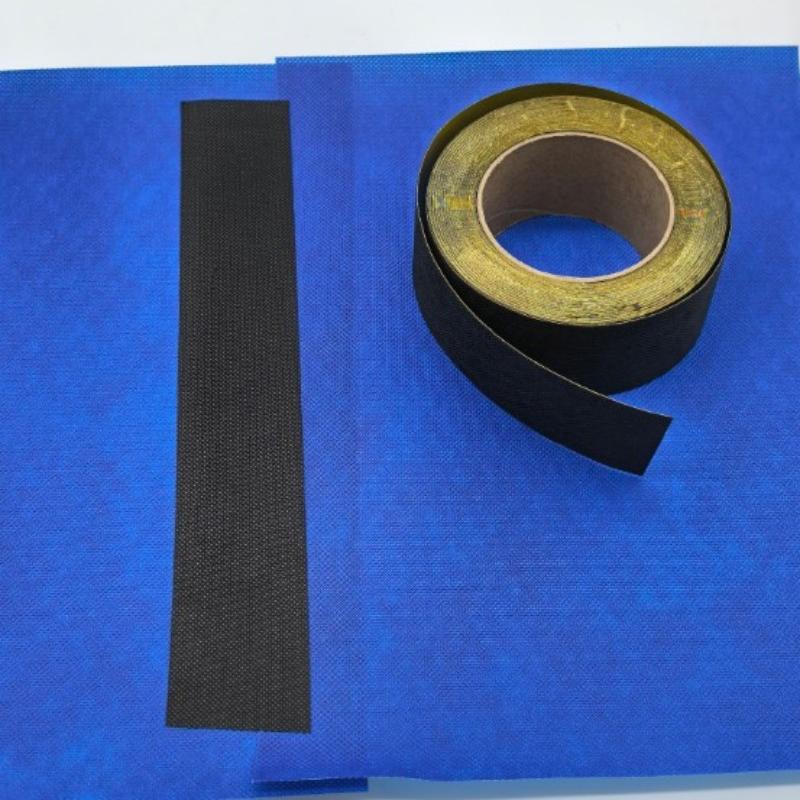
A membrana hidrofuga serves as a critical protective barrier in modern roofing and construction applications, delivering exceptional performance when exposed to harsh environmental conditions. Among its most valuable benefits, the UV-protection capabilities of a quality membrana hidrofuga stand out as a defining feature that ensures lasting durability and structural integrity. This advanced membrane technology combines waterproofing functionality with sophisticated UV resistance, making it an essential investment for residential, commercial, and industrial projects that require long-term weather protection and minimal maintenance.

Understanding the UV-protection advantages of a membrana hidrofuga requires recognizing how ultraviolet radiation degrades conventional roofing materials over time. Without proper UV resistance, roofs become brittle, crack, and lose their waterproofing capacity within years rather than decades. A premium membrana hidrofuga incorporates specialized additives and manufacturing techniques that create a stable, UV-resistant surface capable of withstanding intense solar exposure across tropical, subtropical, and temperate climates.
Superior UV Resistance Technology in Membrana Hidrofuga
How UV Protection Works in Membrana Hidrofuga Design
The UV-protection mechanism within a membrana hidrofuga operates through multiple layers of defense that prevent photodegradation and material brittleness. When ultraviolet rays penetrate conventional membranes, they break molecular bonds and trigger oxidation, leading to cracks and membrane failure. A high-quality membrana hidrofuga incorporates carbon black additives, UV-absorbing compounds, and stabilizer packages that absorb and dissipate harmful UV energy before it can damage the underlying polymer matrix. This multi-layer protective approach ensures that a membrana hidrofuga maintains its structural integrity and waterproofing properties even after decades of unrelenting sun exposure.
Material Composition and Durability Performance
Premium membrana hidrofuga products are engineered with polypropylene or polyethylene bases reinforced with stabilized additives specifically chosen for UV resistance. The manufacturing process incorporates anti-oxidants, hindered amine light stabilizers, and UV absorbers that work synergistically to prevent degradation. When properly formulated, a membrana hidrofuga can maintain up to ninety percent of its original tensile strength after fifteen years of continuous outdoor exposure, a performance benchmark that distinguishes it from conventional roofing materials. This exceptional durability directly translates to lower replacement costs and extended roof lifespan, making membrana hidrofuga an economically rational choice for long-term building protection.
Practical Benefits and Real-World Application Advantages
Extended Roof Lifespan and Maintenance Reduction
Deploying a membrana hidrofuga across roof systems eliminates the premature degradation cycles that plague standard membranes exposed to UV radiation. Buildings protected by a membrana hidrofuga experience minimal performance decline over twenty to thirty years, compared to ten to fifteen years typical for unprotected alternatives. This extended service life represents substantial financial advantage when considering replacement labor, material costs, and building downtime. Property owners utilizing a membrana hidrofuga reduce maintenance frequency dramatically, avoiding costly repairs from UV-induced cracking, leaking seams, and membrane separation that plague inferior roofing systems.
Climate Resilience and Geographic Applicability
A membrana hidrofuga performs exceptionally well in high-UV environments where intense solar radiation poses extreme stress to roofing systems. Tropical and subtropical climates with intense year-round sun exposure benefit tremendously from the UV-protection advantages that a membrana hidrofuga delivers. Even in temperate regions with seasonal sun intensity variations, a membrana hidrofuga maintains consistent protection against cumulative UV damage that accumulates across decades. The breathable design of a quality membrana hidrofuga also prevents moisture vapor trapping, which means UV-protected waterproofing combines with moisture management for optimal roof performance across diverse geographic locations and climate zones.
Performance Comparison and Technical Specifications
UV Stability Metrics and Industry Standards
Industry testing protocols such as ASTM G154 and ISO 4892 measure how effectively a membrana hidrofuga resists UV degradation through accelerated weathering simulations. These standardized tests expose membrane samples to concentrated UV radiation equivalent to years of natural sun exposure in compressed timeframes. Premium membrana hidrofuga products consistently pass rigorous UV stability testing with minimal thickness loss, color change, or mechanical property decline. Technical specifications for a membrana hidrofuga typically document retention of eighty-five to ninety-five percent of tensile strength and flexibility after accelerated UV exposure, demonstrating superior performance compared to basic waterproofing membranes without advanced UV protection formulation.
Cost-Benefit Analysis and Return on Investment
While a premium membrana hidrofuga carries higher initial material and installation costs compared to conventional roofing options, the return on investment becomes apparent when calculating extended service life and reduced replacement frequency. A membrana hidrofuga that lasts twenty-five years versus a standard membrane lasting twelve years effectively doubles the cost-per-year value when assessed systematically. Elimination of premature UV-induced repairs, avoidance of water damage related to membrane failure, and reduced labor costs for maintenance intervals make a membrana hidrofuga economically superior for building owners focused on lifecycle cost optimization. Commercial property managers particularly benefit from the predictable, extended performance that a membrana hidrofuga provides, enabling accurate capital planning and reduced emergency repair expenditures.
FAQ
What specific UV wavelengths does a membrana hidrofuga protect against?
A premium membrana hidrofuga is engineered to absorb and neutralize ultraviolet radiation across the full spectrum of UV wavelengths that reach Earth's surface, particularly UVA and UVB radiation. The carbon black and stabilizer additives within a membrana hidrofuga absorb harmful UV energy and convert it to heat that dissipates harmlessly. This broad-spectrum protection ensures comprehensive defense against cumulative UV damage regardless of sun angle, season, or geographic location where the membrana hidrofuga is deployed.
How does a membrana hidrofuga maintain waterproofing while providing UV protection?
A membrana hidrofuga combines advanced polymer chemistry with breathable membrane technology to deliver simultaneous waterproofing and UV resistance. The membrane's base material provides water-blocking capability, while UV-protective additives are integrated into the polymer without compromising the impermeability to liquid water. Breathable pore structures in a quality membrana hidrofuga allow vapor transmission while maintaining water exclusion, ensuring that UV-protected waterproofing functions optimally in diverse environmental conditions and humid climates.
Can a membrana hidrofuga be installed on existing roofs without complete replacement?
A membrana hidrofuga can often be overlaid on properly prepared existing roof surfaces, though assessment by qualified professionals is essential to evaluate substrate condition and compatibility. If existing roofing is structurally sound and properly cleaned, a membrana hidrofuga delivers immediate UV protection and waterproofing enhancement through overlay installation. This retrofit approach reduces labor costs and construction disruption compared to full roof replacement while providing the UV-protection benefits and extended lifespan that a membrana hidrofuga is engineered to deliver over decades of service.