
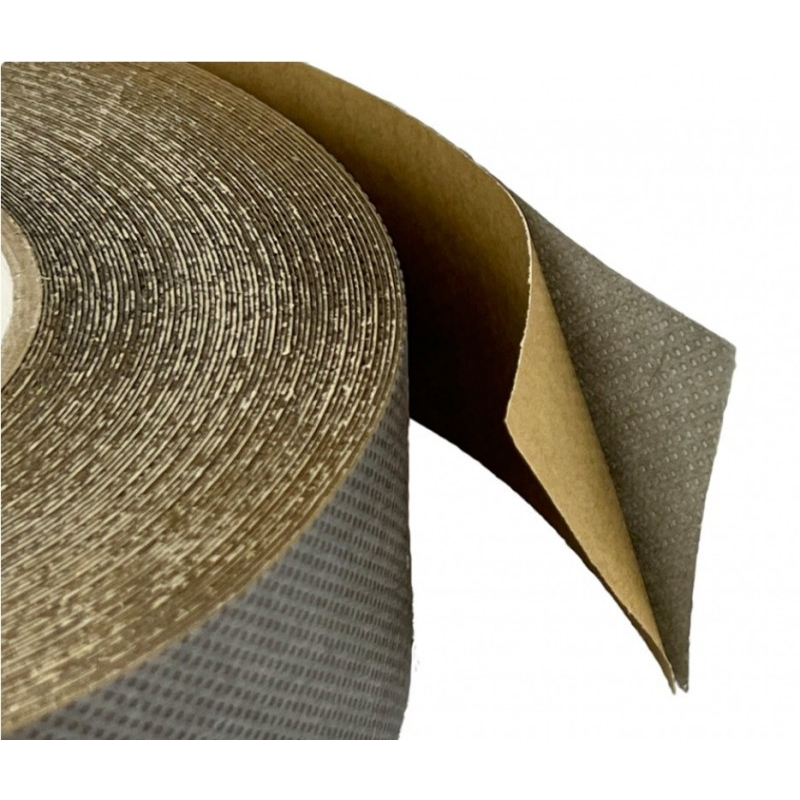
Selecting the right heat insulation materials for high-temperature climates requires understanding both thermal performance and environmental durability. In regions where temperatures consistently exceed normal operating ranges, standard insulation solutions often fail to deliver adequate protection or longevity. The challenge intensifies when considering factors such as moisture resistance, mechanical strength, cost-effectiveness, and installation complexity. This guide explores how to evaluate heat insulation materials systematically, ensuring your facility or equipment maintains optimal thermal efficiency even under extreme conditions.
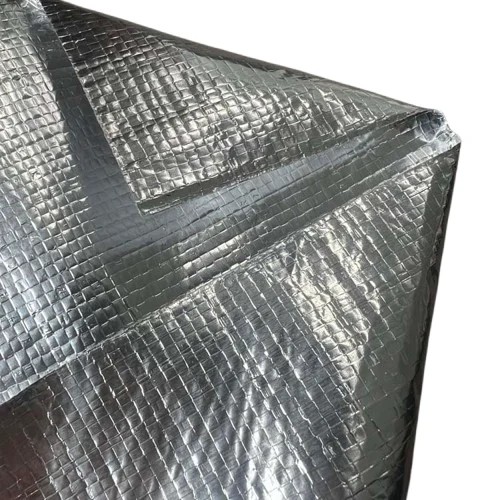
High-temperature environments demand specialized heat insulation materials that resist thermal degradation, maintain structural integrity, and provide consistent insulation value over extended operational lifecycles. Whether for industrial furnaces, pipeline protection, aerospace applications, or power generation facilities, choosing appropriate heat insulation materials directly impacts energy efficiency, safety compliance, and total cost of ownership. Understanding the technical specifications, application-specific requirements, and comparative advantages of different material classes enables facility managers and engineers to make informed procurement decisions aligned with operational demands.
Understanding Performance Criteria for Heat Insulation Materials
Thermal Conductivity and R-Value Assessment
Thermal conductivity measures how effectively heat insulation materials resist heat transfer. Lower thermal conductivity values indicate superior insulating performance. R-value represents the material's thermal resistance per unit thickness; higher R-values mean better insulation. For high-temperature applications, heat insulation materials must maintain stable thermal conductivity across the full operating temperature range without significant degradation. Materials that exhibit increased thermal conductivity as temperatures rise require thicker installation to maintain equivalent insulation effectiveness, increasing costs and space requirements.
Temperature Rating and Service Limits
Every category of heat insulation materials has maximum continuous service temperature ratings established through rigorous testing protocols. These ratings specify the highest sustained temperature at which heat insulation materials can perform reliably without permanent structural or functional degradation. Exceeding rated temperatures causes accelerated material breakdown, loss of insulation value, potential equipment failure, and safety hazards. When selecting heat insulation materials for high-temperature climates, always choose materials rated at least 10-20 percent above your maximum anticipated operating temperature to provide a safety margin and account for localized hot spots or operational fluctuations.
Material Types and Selection for High-Temperature Environments
Fiber-Based Heat Insulation Materials
Fiber-based heat insulation materials such as mineral wool, ceramic fiber, and fiberglass offer excellent thermal performance and cost-effectiveness across moderate to high-temperature ranges. Mineral wool heat insulation materials typically provide ratings between 600-1000 degrees Celsius, while ceramic fiber heat insulation materials support temperatures exceeding 1200 degrees Celsius in industrial settings. Fiber-based heat insulation materials excel in absorbing vibrations, accommodating thermal expansion, and simplifying installation through flexible or rigid board configurations. However, fiber-based heat insulation materials require proper sealing to prevent fiber migration and may need protective barriers in certain corrosive or moisture-prone environments.
Reflective Heat Insulation Materials
Reflective heat insulation materials featuring aluminum foil, metalized surfaces, or polished coatings utilize thermal radiation reflection to minimize heat transfer. These heat insulation materials perform exceptionally well in radiant heating scenarios common in high-temperature climates and industrial processes. Reflective heat insulation materials work most effectively when facing open air gaps; direct contact with conducting surfaces reduces their efficiency. Many modern applications combine reflective heat insulation materials with fiber backing or foam cores to achieve superior combined performance. The air gap requirement means proper installation methodology becomes critical for reflective heat insulation materials to deliver rated performance.
Rigid Foam and Composite Heat Insulation Materials
Rigid foam heat insulation materials and composites provide structural support while delivering insulation benefits. These heat insulation materials work well for applications requiring load-bearing insulation or where space constraints limit material thickness. Composite heat insulation materials often combine foam cores with reflective facings to maximize thermal resistance in compact dimensions. Temperature limitations for foam-based heat insulation materials typically range from 120-200 degrees Celsius depending on formulation. For applications exceeding these temperature ratings, foam heat insulation materials serve primarily as backing or supplementary layers rather than primary insulation.
Climate-Specific Considerations and Installation Factors
Moisture and Humidity Resistance
High-temperature climates often experience dramatic temperature swings that cause condensation cycles, accelerating moisture penetration into heat insulation materials. Moisture-compromised heat insulation materials lose thermal effectiveness, develop mold growth, and promote corrosion of underlying structures. Select heat insulation materials with vapor barriers, hydrophobic treatments, or inherently moisture-resistant formulations when significant humidity exposure occurs. Cellular or closed-cell heat insulation materials resist moisture absorption better than open-cell alternatives. Proper drainage design and vapor barrier installation create critical protective layers that extend heat insulation materials service life in challenging climates.
Thermal Expansion and Mechanical Stress
Temperature cycling common in high-temperature climates forces heat insulation materials to expand and contract repeatedly. Materials with poor thermal cycle resistance develop cracks, delamination, or permanent deformation. Choose heat insulation materials with high elasticity, low linear expansion coefficients, and demonstrated thermal cycling durability. Flexible fibrous heat insulation materials accommodate movement better than rigid options. Design installations with expansion joints, slip planes, or load-bearing isolation when applying heat insulation materials to structures experiencing significant thermal movement.
Installation Methods and Surface Protection
Proper installation methodology directly determines whether heat insulation materials deliver rated performance. Compress heat insulation materials excessively and thermal conductivity increases. Install heat insulation materials too loosely and settling occurs over time, creating air gaps that compromise effectiveness. Use heat insulation materials with integrated retention systems, mechanical fastening, or adhesive bonding appropriate to your specific application. Protective facings prevent mechanical damage and UV degradation. Follow manufacturer installation specifications meticulously because incorrect application can reduce heat insulation materials effectiveness by 20-40 percent.
Cost-Benefit Analysis and Long-Term Performance
Initial Investment Versus Energy Savings
Premium heat insulation materials cost more initially but deliver superior thermal performance and extended service life. Calculate total cost of ownership by combining material costs, installation expenses, maintenance requirements, and energy consumption over the system's operational lifetime. Undersized heat insulation materials compromise energy efficiency and increase operational costs that quickly exceed the initial savings. Quality heat insulation materials reduce cooling loads by 15-35 percent in high-temperature climates, generating measurable utility bill reductions. Environmental factors including climate extremity, operational hours, and regulatory compliance requirements influence the financial justification for premium heat insulation materials.
Durability and Replacement Cycles
Premium heat insulation materials often survive 20-30 years or more with minimal maintenance, while lower-cost alternatives may require replacement every 5-10 years. Frequent replacement interrupts operations, increases labor costs, and generates material waste. Environmental compliance increasingly favors durable heat insulation materials requiring fewer replacement cycles. Document performance data and inspection findings to validate whether heat insulation materials continue meeting thermal and safety requirements throughout their service life. Budget for periodic maintenance including moisture inspections, surface protection renewal, and structural integrity verification to maximize heat insulation materials value.
FAQ
What is the most important factor when choosing heat insulation materials for high-temperature climates?
Temperature rating is the most critical factor because heat insulation materials rated below your maximum operating temperature will degrade rapidly, losing thermal effectiveness and creating safety risks. However, overall suitability requires evaluating thermal conductivity, moisture resistance, thermal cycling durability, and installation compatibility simultaneously. Select heat insulation materials that exceed your temperature requirements by 10-20 percent to ensure reliable performance across temperature variations and localized hot spots.
Can reflective heat insulation materials work in high-temperature climates without additional insulation layers?
Reflective heat insulation materials alone may prove insufficient in extreme high-temperature climates without supplementary insulation because their effectiveness depends on air gaps and radiant heat dominance. Most high-temperature applications combine reflective heat insulation materials with fiber-based layers to achieve comprehensive thermal protection addressing both radiant and conductive heat transfer. The relative proportion of radiant versus conductive heat transfer in your specific application determines whether heat insulation materials require single-layer or multi-layer design approaches.
How often should heat insulation materials be inspected or replaced in high-temperature environments?
Most applications benefit from heat insulation materials inspection every 3-5 years, monitoring for moisture infiltration, mechanical damage, thermal performance decline, and structural degradation. Premium heat insulation materials with proper installation and maintenance typically function reliably for 20-30 years before requiring replacement. Environmental factors including humidity, thermal cycling frequency, mechanical stress, and chemical exposure influence inspection intervals and replacement timelines for heat insulation materials.
Table of Contents
- Understanding Performance Criteria for Heat Insulation Materials
- Material Types and Selection for High-Temperature Environments
- Climate-Specific Considerations and Installation Factors
- Cost-Benefit Analysis and Long-Term Performance
-
FAQ
- What is the most important factor when choosing heat insulation materials for high-temperature climates?
- Can reflective heat insulation materials work in high-temperature climates without additional insulation layers?
- How often should heat insulation materials be inspected or replaced in high-temperature environments?