
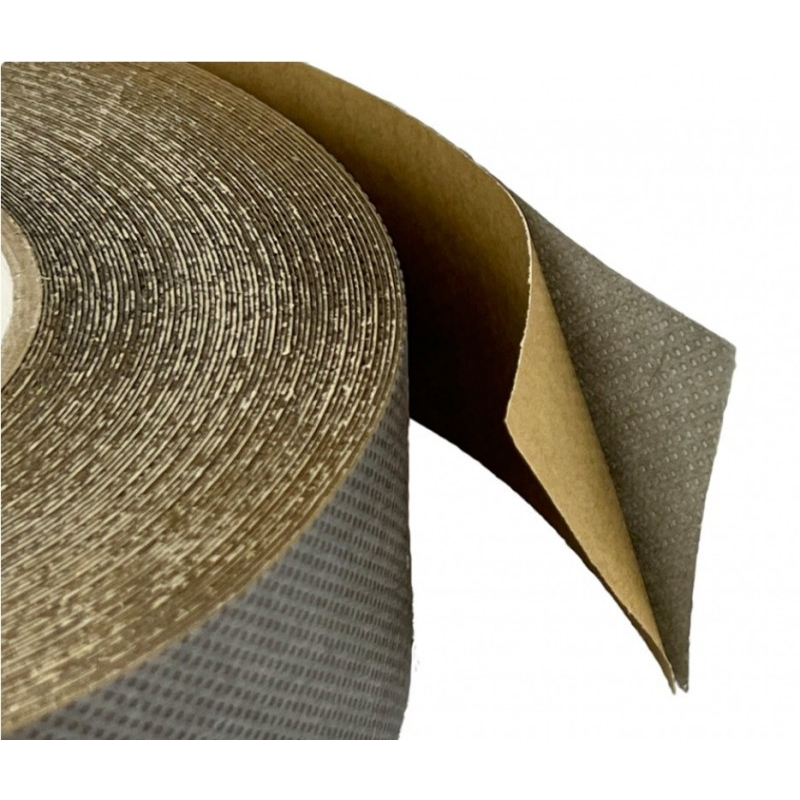
Energy loss through cracks and gaps is one of the most overlooked yet costly inefficiencies in residential and commercial buildings. Uncontrolled air infiltration can account for 15 to 25 percent of heating and cooling energy waste, directly impacting operational budgets and environmental performance. Airtight tape addresses this challenge by creating a continuous seal across joints, seams, and penetrations in the building envelope. When properly applied, airtight tape prevents conditioned air from escaping and outdoor air from entering, maintaining stable interior temperatures and reducing the workload on HVAC systems. Understanding how airtight tape achieves this protection is essential for property managers, builders, and energy-conscious facility operators seeking to minimize utility costs and improve comfort.
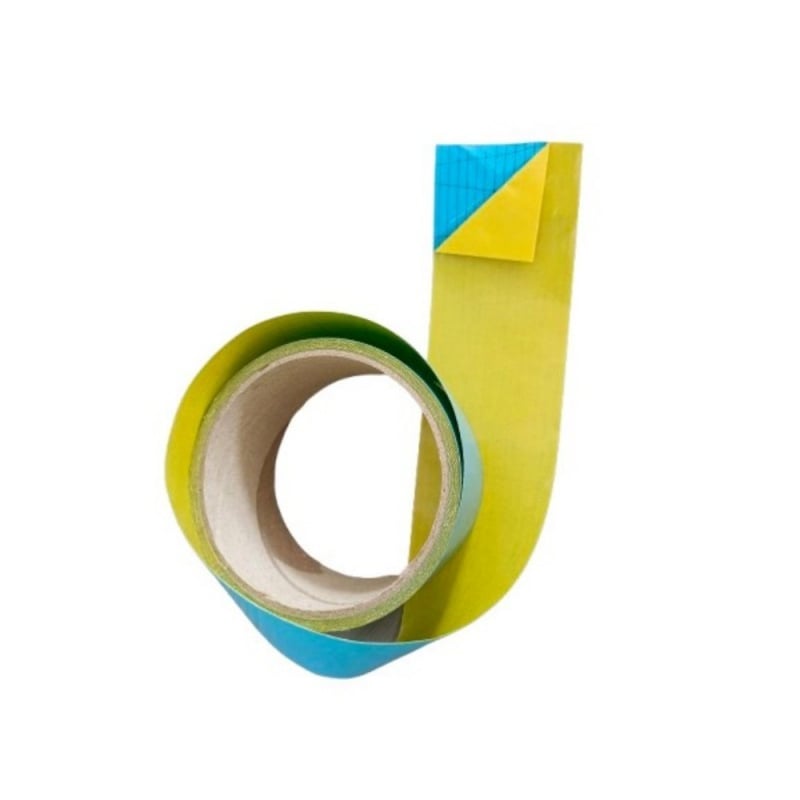
The physics behind airtight tape is straightforward but powerful. Airtight tape works by adhering to substrates around cracks and seams, forming a barrier that air cannot penetrate. Unlike traditional caulk or sealants that may shrink or degrade over time, quality airtight tape maintains its elasticity and adhesion across temperature swings and building movement. The tape's composition typically includes pressure-sensitive adhesives and durable backing materials designed to resist UV exposure, moisture, and mechanical stress. By eliminating pathways for air movement, airtight tape directly reduces the pressure differential that drives infiltration, allowing HVAC systems to operate more efficiently and consume less energy.
How Airtight Tape Seals Air Leaks Effectively
Substrate Adhesion and Coverage
The effectiveness of airtight tape depends fundamentally on complete substrate contact and proper surface preparation. Airtight tape must be applied to clean, dry surfaces free of dust, debris, and moisture to ensure maximum adhesion. When airtight tape contacts the substrate, its pressure-sensitive adhesive bonds at the molecular level, creating an air-tight seal that blocks airflow. Any gaps or incomplete coverage allow air to migrate around the tape, undermining its energy-saving performance. Property managers should ensure that airtight tape covers the full width of cracks and extends 2 to 3 inches beyond the crack on both sides for reliable air sealing. Poor application technique significantly reduces the benefits of airtight tape, making proper installation training essential across maintenance teams.
Durability Through Environmental Stresses
Buildings experience constant thermal cycling, moisture fluctuations, and structural movement that can degrade inferior sealing products. Airtight tape designed for high-performance buildings incorporates materials that resist these stresses without failure. Quality airtight tape remains pliable at extreme temperatures, preventing brittleness in winter and adhesive flow in summer heat. Many commercial airtight tape products include multi-layer constructions that provide tensile strength while maintaining flexibility. The backing material of premium airtight tape often resists UV degradation, extending the service life of the seal from 5 to 10 years or longer in protected applications. Regular inspection and maintenance of airtight tape installations ensure that thermal cycling and weather exposure do not compromise the air barrier over time.
Energy Loss Prevention Through Building Envelope Integrity
Impact on HVAC System Efficiency
When airtight tape successfully eliminates air leaks, the building envelope operates as an integrated air barrier rather than a porous shell. This integrity directly translates to reduced HVAC demand, since conditioning systems no longer compensate for unconditioned air entering the space. A typical commercial building with comprehensive airtight tape sealing can reduce heating and cooling energy consumption by 10 to 20 percent, depending on initial air infiltration rates and climate zone. Airtight tape installations in mechanical rooms, wall penetrations, and roof-wall junctions create multiple opportunities to interrupt air pathways before they reach occupied spaces. By reducing HVAC run time and system cycling, airtight tape decreases equipment wear, extends mechanical system lifespan, and lowers maintenance costs. Energy modeling software confirms that buildings sealed with airtight tape achieve measurably lower utility bills and carbon footprints compared to unsealed buildings.
Moisture Management and Building Health
Proper air sealing with airtight tape also protects building integrity by controlling moisture infiltration and condensation risk. When airtight tape prevents warm, moist interior air from reaching cold exterior wall cavities, it eliminates the conditions that create condensation and mold growth. This protective effect reduces structural damage, improves indoor air quality, and extends the lifespan of insulation and framing materials. Airtight tape works synergistically with vapor barriers and building wraps to create a complete moisture control strategy. In humid climates and freeze-thaw regions, airtight tape application becomes especially critical for long-term building durability. Facilities managers using airtight tape as part of their air sealing protocol report fewer moisture-related callbacks and reduced mold remediation expenses.
Strategic Application Areas for Maximum Energy Savings
High-Impact Sealing Locations
Certain building locations offer disproportionate energy savings when sealed with airtight tape because air leakage concentrates around penetrations and transitions. Airtight tape application at electrical outlet boxes, HVAC duct seams, and window-to-wall interfaces stops the majority of uncontrolled air movement. Band boards, roof-to-wall connections, and foundation sill plates represent additional critical points where airtight tape prevents significant infiltration. Mechanical rooms and utility chases are particularly important, as air leaks at these locations bypass living areas and directly waste conditioned air. Property managers prioritizing airtight tape installation at these high-infiltration zones achieve faster return on investment than applying the product uniformly across all building surfaces. Strategic targeting of airtight tape also simplifies installation scheduling and reduces material costs while preserving most energy benefits.
Seasonal and Climate Considerations
The value proposition for airtight tape installation varies with climate and seasonal heating-cooling patterns. In cold climates where heating costs dominate annual energy bills, airtight tape prevents heated indoor air from escaping through cracks, generating immediate ROI through reduced heating demand. In hot climates, airtight tape blocks infiltration of outdoor air and solar-heated air, reducing cooling load and equipment stress. Mixed climates benefit from airtight tape year-round, since the product reduces infiltration during heating season and exfiltration during cooling season. Buildings in extreme climates show even stronger financial returns from airtight tape investment, as the differential between inside and outside conditions creates more aggressive air movement. Facility planners should calculate infiltration losses specific to their climate zone when evaluating airtight tape budget allocation and expected energy savings.
FAQ
What makes airtight tape different from other sealants like caulk?
Airtight tape offers superior flexibility and durability compared to caulk because it maintains elasticity across building movement and temperature cycling. Caulk hardens over time and cracks under structural stress, compromising the air seal. Airtight tape also installs faster than caulk, reducing labor costs and schedule pressure. For temporary or frequently accessed areas, airtight tape can be removed and reapplied without surface damage, while caulk requires scraping and re-caulking. Both products have applications in modern building envelopes, but airtight tape excels in high-movement zones where durability and flexibility matter most.
How long does airtight tape last before requiring replacement?
Quality airtight tape typically maintains its air-sealing performance for 5 to 10 years in protected interior applications and 3 to 7 years in exposed exterior environments. UV exposure, temperature extremes, and mechanical stress reduce airtight tape lifespan faster than protected conditions. Regular inspection allows facility managers to identify degraded airtight tape and schedule replacement during routine maintenance windows. Manufacturers provide product datasheets specifying expected service life based on application type and exposure level. Replacing aged airtight tape preventatively maintains air barrier integrity and preserves energy efficiency gains. Building envelope commissioning should include baseline documentation of airtight tape installation locations to facilitate future replacement planning.
Can airtight tape be applied over existing insulation or vapor barriers?
Airtight tape adheres poorly to soft, irregular surfaces like exposed fiberglass insulation, which compromises the seal. For best results, airtight tape should contact firm, clean substrates such as rigid foam boards, wood framing, or drywall. When working over existing vapor barriers or breathable membranes, ensure the surface is smooth and free of wrinkles or debris before applying airtight tape. Some specialized airtight tape products are formulated for low-surface-energy materials, but standard pressure-sensitive airtight tape performs best on traditional building surfaces. Proper surface preparation is more important than product selection when sealing non-ideal substrates with airtight tape.