
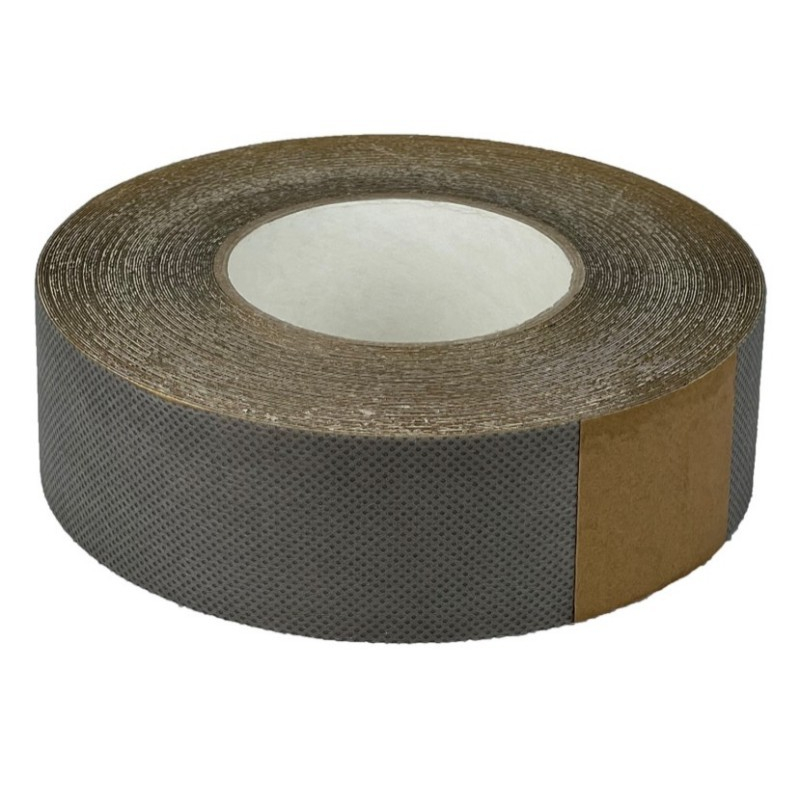
When building performance and energy efficiency matter, selecting the right sealing solution becomes critical to long-term project success. Airtight tape serves as a foundational component in modern construction, particularly in air barrier systems, vapor control layers, and thermal envelope applications. Understanding the sustained adhesive advantages of airtight tape helps contractors, builders, and facility managers make informed decisions that protect structural integrity over decades rather than years.
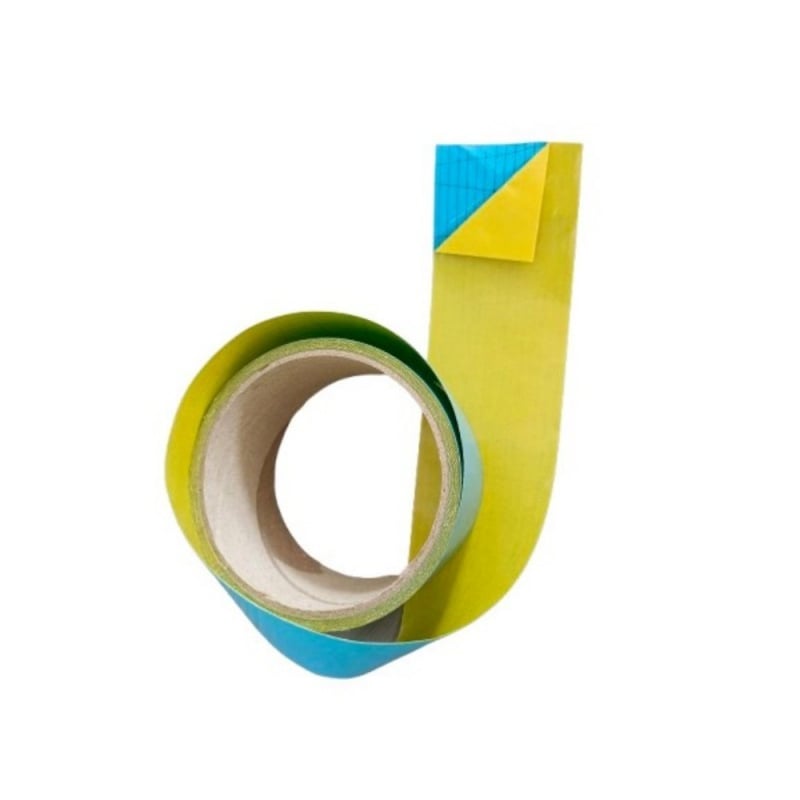
The adhesive performance of airtight tape extends far beyond initial installation. High-quality airtight tape formulations maintain their bond strength through temperature fluctuations, moisture exposure, and mechanical stress that would degrade inferior sealing products. This article explores why airtight tape remains the preferred choice for long-term air sealing applications and how its adhesive properties contribute to measurable building performance gains over time.
Superior Bond Stability Over Decades
Why Airtight Tape Adhesive Resists Degradation
The adhesive chemistry of premium airtight tape is engineered to withstand environmental challenges that compromise ordinary tape products. Airtight tape uses acrylic or rubber-based adhesive formulations specifically designed to resist ultraviolet radiation, thermal cycling, and humidity-driven expansion and contraction. Unlike general-purpose tape that loses tack within months, airtight tape maintains consistent peel strength and shear resistance for fifteen to twenty years or longer when applied correctly.
Long-term adhesive stability in airtight tape results from molecular bonding between the adhesive layer and substrate materials such as breathable membranes, vapor barriers, and foam insulation boards. The adhesive in airtight tape penetrates microstructures on these surfaces, creating a mechanical interlock that persists even as building materials age. This means that joints sealed with airtight tape do not gradually separate or fail as buildings settle, experience seismic movement, or undergo seasonal dimensional changes.
Testing Standards That Validate Durability
Certified airtight tape products undergo rigorous laboratory testing to verify long-term adhesion performance. Industry standards such as ASTM D4501 measure peel resistance after exposure to temperature extremes, moisture, and UV light. The airtight tape that passes these extended-aging protocols demonstrates that its adhesive maintains minimum strength thresholds even after simulated decades of exposure. Real-world applications consistently confirm these laboratory predictions, with airtight tape seals inspected after fifteen years showing negligible adhesive deterioration.
Third-party certifications for airtight tape products provide builders and engineers with confidence that adhesive performance specifications reflect actual field durability. Products certified under energy efficiency standards such as Passivhaus demonstrate that airtight tape can sustain air-sealing performance through the lifespan of the building. When facility managers review long-term building performance data, they consistently find that airtight tape contributes to sustained air tightness ratings that remain within design specifications across decades.
Adhesive Protection Against Moisture and Temperature Swings
How Airtight Tape Adhesive Handles Environmental Stress
Buildings experience dramatic environmental conditions that stress adhesive bonds continuously. Airtight tape adhesive formulations incorporate compounds that remain flexible across temperature ranges from thirty degrees Fahrenheit to one hundred thirty degrees Fahrenheit, accommodating both heating and cooling cycles without becoming brittle or losing adhesive properties. This thermal resilience means that airtight tape seals joints during winter freeze-thaw cycles and summer heat expansion without cracking or separating.
Moisture presents another challenge that inferior sealing products cannot withstand indefinitely. Airtight tape adhesive resists water penetration through hygroscopic formulations that maintain their chemical stability even when exposed to high humidity environments or temporary water contact. In crawl spaces, basement walls, and below-grade applications, airtight tape continues to adhere reliably where ordinary tape would swell, soften, or lose adhesive strength within months. The long-term adhesive advantage of airtight tape becomes especially apparent in humid climates where conventional tapes fail predictably.
Climate-Specific Performance Considerations
Different climate zones impose distinct challenges on adhesive performance in airtight tape systems. In hot, dry climates, airtight tape must resist UV degradation and maintain adhesion as building surfaces expand and contract daily. In cold climates, airtight tape adhesive must remain flexible and retain tack when temperatures drop below freezing and do not rebound for weeks. In marine environments, airtight tape endures salt spray and persistent moisture that would compromise ordinary adhesive products. Quality airtight tape formulations address all these scenarios through adhesive systems that maintain their core properties regardless of regional climate patterns.
Building envelope consultants recommend airtight tape specifically for its demonstrated adhesive stability across climatic extremes. Projects that track long-term air leakage rates consistently show that airtight tape seals remain effective across seasons and years, while projects using inferior products show progressive deterioration correlating with weather exposure. This evidence reflects the inherent adhesive advantage of airtight tape formulations optimized for durability over the full building lifespan.
Cost and Performance Benefits of Long-Term Adhesion
Lifecycle Economics of Airtight Tape Selection
When evaluating total cost of ownership, airtight tape delivers superior value through extended service life and reduced maintenance requirements. While premium airtight tape costs more initially than generic sealing tape, the adhesive durability means that joints sealed with airtight tape do not require replacement or repair for fifteen to twenty years. Projects using cheaper tape experience adhesive failure within five to ten years, necessitating costly remediation, recladding, or interior rework to reestablish air barrier continuity. Over a twenty-year building lifecycle, airtight tape costs significantly less than repeated sealing interventions with inferior products.
Energy efficiency improvements directly linked to airtight tape adhesive durability also contribute to lifecycle economics. Buildings sealed with long-lasting airtight tape maintain lower air infiltration rates over decades, reducing heating and cooling energy consumption by ten to fifteen percent compared to buildings where air barrier integrity degrades over time. Facility managers calculate these energy savings over building lifespan and confirm that airtight tape investment pays for itself through utility bill reductions alone, independent of avoided replacement costs.
Warranty and Insurance Implications
Premium building systems increasingly specify airtight tape with explicit adhesion warranties covering fifteen to twenty-year periods. These warranties exist because manufacturers have confidence in the long-term adhesive performance of their formulations. Projects that specify such warranted airtight tape products gain contractual recourse if air barrier performance deteriorates prematurely, shifting risk from building owners to manufacturers. Insurance companies and lenders also view airtight tape with documented adhesive durability more favorably, as it reduces the probability of costly envelope failures affecting property value and occupant comfort.
When construction disputes arise concerning air leakage or moisture intrusion, the durability record of airtight tape becomes highly relevant to liability determination. Buildings sealed with proven airtight tape products have strong documented evidence that initial construction quality met industry standards and that adhesive failure reflects normal aging rather than construction defect. This distinction protects builders from warranty claims and protects building owners by clearly establishing that premium airtight tape performance meets expectations across decades of service.
FAQ
How long does airtight tape adhesive typically remain effective?
Premium airtight tape maintains effective adhesion for fifteen to twenty years under normal building conditions. The actual duration depends on climate exposure, substrate material, installation quality, and specific airtight tape formulation. Laboratory testing under accelerated aging protocols predicts these timeframes by exposing airtight tape to concentrated environmental stressors. Field inspections of buildings sealed with quality airtight tape consistently confirm these predictions, showing minimal adhesive deterioration even after two decades of service in diverse climates.
Can airtight tape adhesive withstand water exposure over long periods?
Yes, high-quality airtight tape resists water exposure through adhesive chemistry that does not degrade when wet. Airtight tape products certified for below-grade applications or high-humidity environments demonstrate sustained adhesion even when chronically exposed to moisture. However, temporary water immersion or repeated wetting and drying cycles can eventually challenge any tape product, so proper drainage and moisture management remain important aspects of building enclosure design even when using durable airtight tape.
What factors determine how long airtight tape adhesive will perform in a specific project?
Airtight tape adhesive longevity depends on substrate preparation, installation technique, climate exposure, building movement, and the specific adhesive formulation used. Surfaces must be clean, dry, and slightly textured for airtight tape to achieve maximum bond strength. Proper overlap, firm roller pressure, and appropriate primer use when specified all enhance airtight tape performance. Buildings in stable climates with minimal movement experience longer adhesive effectiveness than buildings in seismic zones or locations with extreme temperature ranges. Selecting airtight tape products formulated specifically for your climate and application ensures optimal long-term adhesion.