
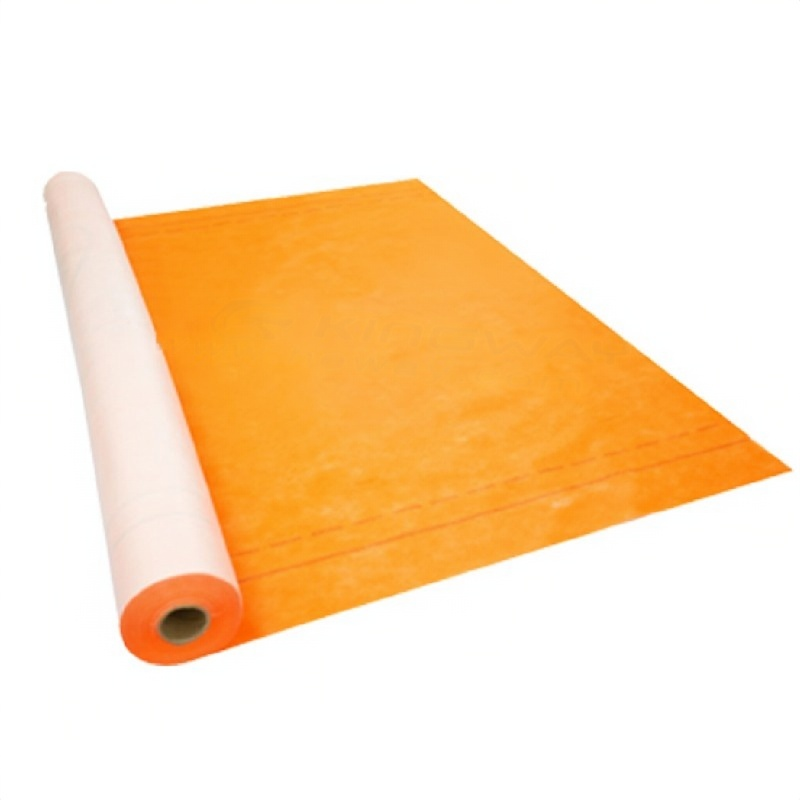
Selecting the right house wrap is one of the most consequential decisions a builder or contractor makes during the construction envelope phase. The house wrap you choose affects moisture management, structural longevity, energy efficiency, and overall jobsite performance. With dozens of options available, it can be difficult to identify which house wrap truly delivers a strong balance between material strength and cost-effectiveness without compromising on either front.
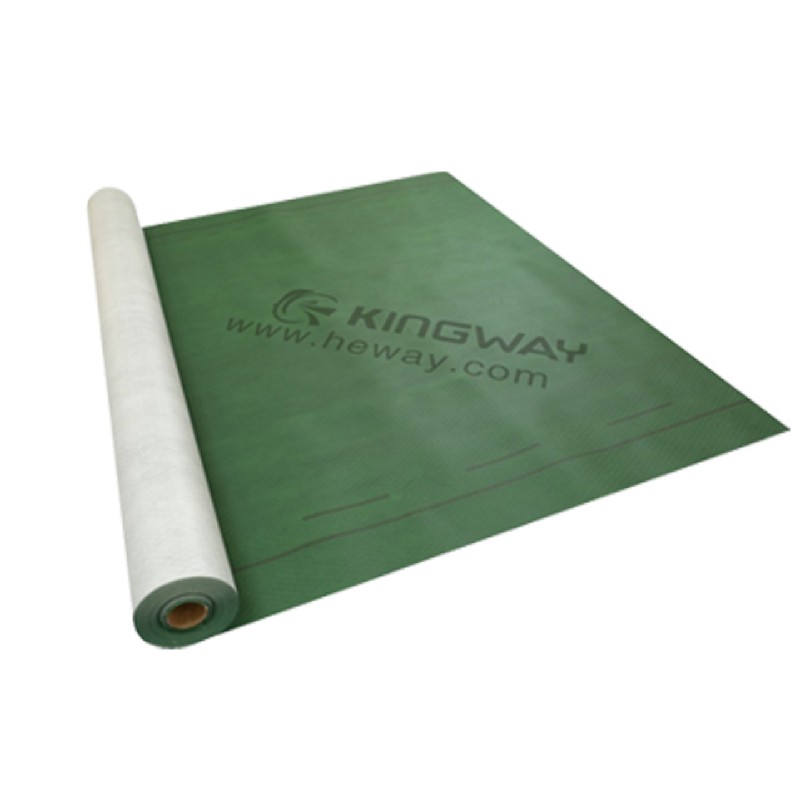
The concept of 'best balance' in a house wrap is not simply about finding the cheapest roll or the heaviest material. It means evaluating a house wrap against measurable performance benchmarks — tensile strength, breathability, water resistance, and installation ease — while also considering the price per square meter across the scope of a real project. This guide breaks down exactly what separates a high-value house wrap from one that only appears affordable on paper.
Core Performance Factors in a House Wrap
Tensile Strength and Tear Resistance
Tensile strength is arguably the most critical structural attribute of any house wrap. During installation, the house wrap is exposed to wind, handling stress, and fastener tension. A house wrap with insufficient tensile strength will tear at fastening points, allowing gaps that defeat its entire purpose. Professionals consistently look for a house wrap rated at a minimum of 160 GSM or its equivalent in tensile load capacity, as this weight class provides reliable tear resistance across residential and commercial builds alike.
A house wrap that tears during installation costs far more in labor and material replacement than the savings from choosing a lighter product. When evaluating house wrap options, always request tensile strength data from the manufacturer and verify it against the specific wind and climate conditions of your project region. A house wrap that performs well in mild conditions may still fail under sustained wind exposure on an exposed jobsite.
Breathability and Moisture Management
A high-quality house wrap must allow water vapor to pass outward from the wall assembly while blocking liquid water from entering. This breathability is measured as the water vapor transmission rate. A house wrap with poor breathability traps moisture inside wall cavities, which leads to mold, rot, and reduced insulation performance over time. Breathable house wrap membranes, particularly those with a nonwoven or microporous construction, offer the best combination of moisture protection and vapor control.
When comparing house wrap products by price, breathability data is often the first performance metric that low-cost manufacturers sacrifice. A bargain house wrap that lacks sufficient vapor permeability will incur hidden costs downstream through structural repairs and energy losses. Any house wrap evaluation should treat vapor transmission as a non-negotiable baseline, not a premium add-on.
What GSM and Construction Type Tell You About House Wrap Value
Understanding GSM Ratings in House Wrap Selection
GSM, or grams per square meter, is one of the most transparent indicators of house wrap quality relative to price. A 160 GSM house wrap represents an industry-accepted standard for general construction applications, offering a reliable balance between durability and cost. House wrap products below 120 GSM may appear more affordable upfront but typically show higher failure rates in high-traffic or weather-exposed installations. A house wrap at 160 GSM provides enough material density to handle fastener loads, overlap seaming, and prolonged pre-cladding exposure without degrading.
When a contractor installs a house wrap with an appropriate GSM rating, the installation itself becomes faster and more predictable. Rolls hold their shape, seams tape cleanly, and the house wrap stays secured during the window between wrap installation and cladding application. These practical installation advantages translate directly into labor cost savings, which offset any premium in the house wrap unit price.
Woven vs. Nonwoven House Wrap Construction
The internal construction of a house wrap — whether woven polypropylene, nonwoven spunbond, or a laminated composite — significantly affects both its performance and its price positioning. Woven house wrap materials offer strong puncture resistance and are well-suited to roofing underlayment applications. Nonwoven house wrap materials excel in breathability and conformability, making them preferred for vertical wall applications. A composite house wrap that combines woven strength with a breathable membrane layer offers a well-rounded solution for projects requiring both performance dimensions.
Understanding the construction type behind a house wrap product helps buyers make informed price comparisons. Two house wrap rolls listed at similar prices may differ dramatically in performance if one uses a pure woven construction and the other uses a breathable composite. Reviewing the product specification sheet for construction type is essential before making any house wrap procurement decision based primarily on unit price.
Evaluating House Wrap Price Against Long-Term Project Value
True Cost Calculation for House Wrap Procurement
The true cost of a house wrap extends well beyond the price printed on the specification sheet. A house wrap that requires more labor to install, tears during handling, or causes downstream moisture damage generates costs that dwarf any initial savings. Experienced procurement professionals calculate house wrap cost on a total installed basis, accounting for roll width, linear coverage, overlap allowances, and the labor rate associated with the installation speed of each specific product.
A house wrap supplied in wider rolls reduces the number of horizontal seams required across a wall elevation, lowering both tape consumption and installation time. A house wrap with clear printed alignment guides further reduces installation errors. These product-level features directly affect the total cost of using that house wrap on a real project, and they should factor into any price-to-performance comparison.
Wholesale and Volume Pricing for House Wrap
For contractors and developers managing multiple projects, wholesale house wrap procurement offers significant cost advantages without requiring any sacrifice in product quality. Many manufacturers and distributors offer tiered pricing on house wrap that rewards volume purchasing, allowing buyers to access premium-specification house wrap at prices that compete with lower-specification alternatives available at retail. When sourcing house wrap at volume, requesting a sample roll for on-site performance testing before committing to a full order is standard practice and highly recommended.
A well-specified house wrap sourced through wholesale channels can simultaneously meet technical performance requirements and stay within a tight project budget. The key is to prioritize core specifications — GSM rating, tensile strength, and vapor transmission — when comparing house wrap options, rather than focusing solely on the headline price per roll.
FAQ
What GSM rating should I look for in a house wrap for general construction?
A house wrap rated at 160 GSM is widely regarded as a reliable standard for general residential and commercial construction. This GSM level provides sufficient tensile strength and tear resistance to handle typical installation conditions. For projects in high-wind or coastal environments, selecting a house wrap with reinforced construction at or above this rating is advisable to ensure long-term performance.
Is a breathable house wrap worth the additional cost compared to a standard plastic sheeting?
Yes, a breathable house wrap is consistently worth the investment compared to non-permeable plastic sheeting. Standard plastic sheeting traps moisture vapor within wall assemblies, leading to condensation, mold growth, and accelerated timber decay. A breathable house wrap allows vapor to escape while blocking liquid water intrusion, protecting the structural integrity of the building envelope over its full service life. The cost difference is minimal compared to the remediation costs that moisture damage can generate.
How do I compare house wrap products fairly when prices differ significantly?
To compare house wrap products fairly, always normalize pricing to coverage area rather than roll price. Calculate the total cost per square meter of installed house wrap by factoring in roll dimensions, required overlap, tape costs, and estimated installation time per roll. A higher-priced house wrap that covers more area per roll and installs faster may have a lower true installed cost than a cheaper house wrap with narrower rolls and higher labor requirements.