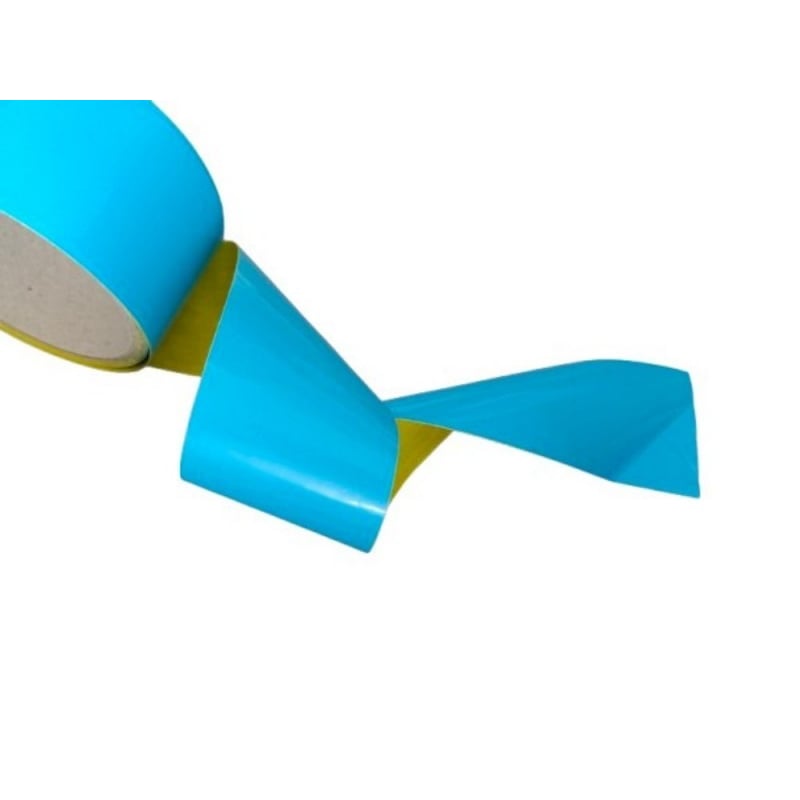
When construction professionals evaluate bonding and sealing materials for demanding projects, heavy-duty building tape consistently stands out as a reliable and versatile solution. Unlike standard adhesive tapes, heavy-duty building tape is engineered specifically to withstand harsh environmental conditions, mechanical stress, and the long service cycles typical of professional construction applications. Understanding what sets this product apart helps buyers and contractors make confident material decisions from the start.
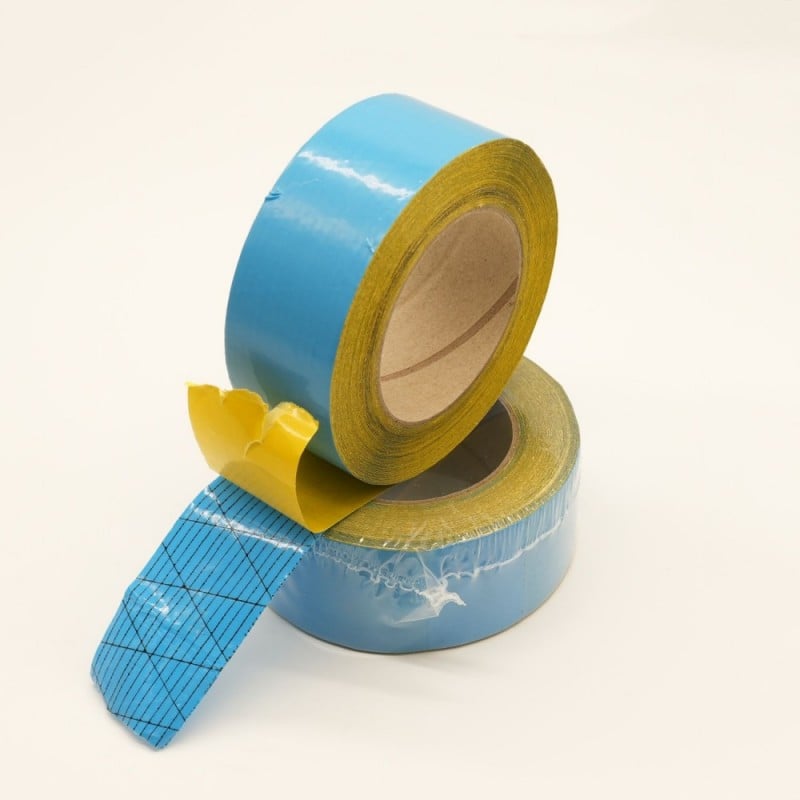
Heavy-duty building tape plays a critical role in modern construction workflows, particularly in roofing membrane bonding, waterproofing layer repairs, and structural sealing tasks. The advantages of heavy-duty building tape go far beyond simple adhesion. They include superior material composition, environmental resilience, application flexibility, and long-term performance that standard tapes simply cannot match. This article explores these advantages in detail so that construction teams and procurement specialists can fully appreciate the value that heavy-duty building tape brings to every project.
Superior Material Strength and Adhesion Performance
Engineered Backing for High-Stress Environments
One of the most defining advantages of heavy-duty building tape is its engineered backing material. Most heavy-duty building tape products use non-woven fabrics, reinforced films, or composite substrates that provide exceptional tensile strength. This structural integrity ensures that heavy-duty building tape does not tear, stretch excessively, or delaminate when exposed to pulling forces, thermal expansion, or surface movement. In roofing applications, where membranes shift with temperature cycles, heavy-duty building tape maintains its bond without splitting or peeling.
The backing of a quality heavy-duty building tape is also resistant to puncture and abrasion. This matters significantly in construction environments where sharp edges, rough substrates, and heavy foot traffic are common. Heavy-duty building tape retains its structural integrity throughout installation and continues performing reliably once in place. Contractors who regularly use heavy-duty building tape on job sites appreciate how the backing resists mechanical damage that would compromise a lighter product.
High-Tack Adhesive Formulation
The adhesive layer in heavy-duty building tape is formulated to deliver aggressive initial tack combined with long-term bonding stability. Heavy-duty building tape typically uses pressure-sensitive adhesives that activate on contact, eliminating the need for primers on many common construction surfaces including concrete, metal panels, HDPE membranes, and roofing felts. This quick-bond property makes heavy-duty building tape highly efficient in time-sensitive installation scenarios. The adhesive in heavy-duty building tape also resists plasticizer migration, which is a common cause of adhesion failure in tapes used alongside PVC or TPO roofing membranes.
Environmental and Weather Resistance
UV Stability and Temperature Tolerance
Heavy-duty building tape must perform across a wide range of environmental conditions. High-quality heavy-duty building tape is formulated with UV-stabilized adhesive and backing components that resist photodegradation during prolonged outdoor exposure. In roofing and facade applications, UV resistance is not optional — it is essential. Heavy-duty building tape that lacks proper UV stabilization will become brittle, lose adhesion, and fail within months of installation. Reliable heavy-duty building tape maintains flexibility and bond strength even after extended sun exposure.
Temperature tolerance is another critical advantage of heavy-duty building tape. Construction materials expand and contract with seasonal temperature swings, and the tape must accommodate this movement without cracking or disbonding. Heavy-duty building tape is typically rated to perform across a broad temperature range, often from below freezing to well above standard summer peak temperatures. This thermal flexibility makes heavy-duty building tape suitable for both cold-climate and tropical construction projects without the need for product substitution.
Moisture and Chemical Resistance
Water exposure is one of the most aggressive challenges any building material faces. Heavy-duty building tape is designed with moisture-resistant adhesive and backing combinations that prevent water ingress from undermining the bond. In roofing membrane repair and waterproofing layer seaming, heavy-duty building tape creates a durable, waterproof seal that protects the underlying structure. Heavy-duty building tape also offers meaningful resistance to common construction chemicals including cleaning agents, mineral oils, and bitumen compounds, which extends its usable lifespan considerably in industrial and commercial settings.
Application Versatility and Installation Efficiency
Broad Surface Compatibility
A major practical advantage of heavy-duty building tape is its compatibility with a wide range of construction substrates. Heavy-duty building tape adheres effectively to roofing membranes, polystyrene insulation boards, metal sheeting, concrete surfaces, and fiber cement panels. This cross-substrate performance means that construction teams can rely on a single heavy-duty building tape product across multiple application points within the same project, simplifying procurement and reducing material inventory. The ability of heavy-duty building tape to bond dissimilar materials is especially valuable in composite roofing assemblies and prefabricated facade systems.
Fast Installation and Labor Savings
Heavy-duty building tape significantly reduces installation time compared to liquid sealants, mechanical fasteners, or heat-welded bonding methods. Applying heavy-duty building tape requires no mixing, no drying time, and no specialized equipment. Workers can install heavy-duty building tape directly from the roll, making real-time adjustments as needed without wasting material. For roofing contractors handling large membrane areas, the speed advantage of heavy-duty building tape translates directly into lower labor costs and faster project completion. Heavy-duty building tape also reduces the risk of application errors that are common with liquid bonding agents, improving overall installation quality.
FAQ
What surfaces can heavy-duty building tape bond to?
Heavy-duty building tape is compatible with a wide variety of construction surfaces including roofing membranes, metal panels, concrete, insulation boards, and fiber cement. Its high-tack adhesive formulation allows heavy-duty building tape to create reliable bonds on both smooth and slightly textured substrates without requiring a separate primer in most cases.
How long does heavy-duty building tape last in outdoor conditions?
When properly applied, heavy-duty building tape is designed for long-term outdoor performance. UV-stabilized and moisture-resistant variants of heavy-duty building tape can maintain effective adhesion and structural integrity for many years, even under direct sun exposure and seasonal temperature variation. Selecting the correct grade of heavy-duty building tape for the specific climate and substrate is important for maximizing service life.
Is heavy-duty building tape suitable for roofing membrane repair?
Yes, heavy-duty building tape is widely used for bonding and repairing roofing membranes. Its waterproof adhesive layer, flexible backing, and resistance to UV and temperature changes make heavy-duty building tape an ideal solution for sealing membrane seams, patching damaged areas, and reinforcing lap joints in both new construction and maintenance repair scenarios.