Versatile Application Across Building Types
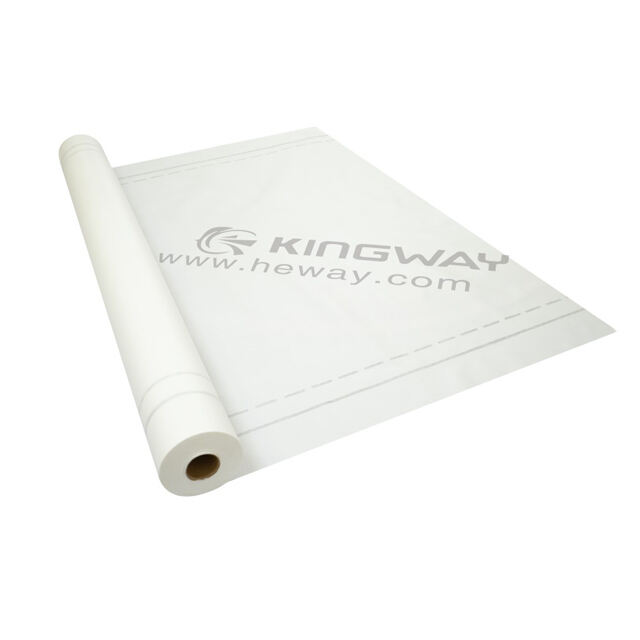
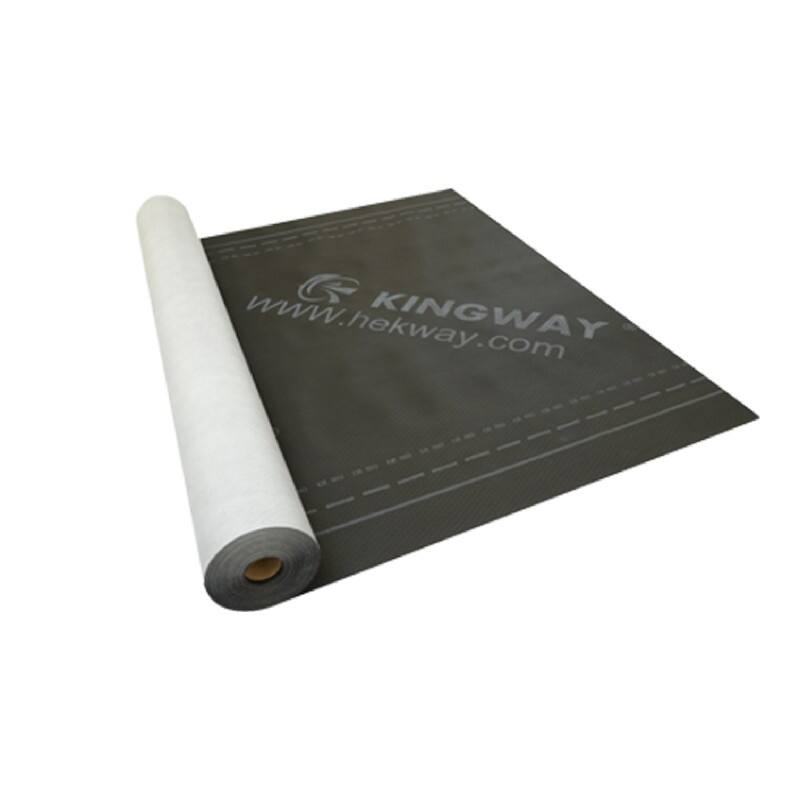
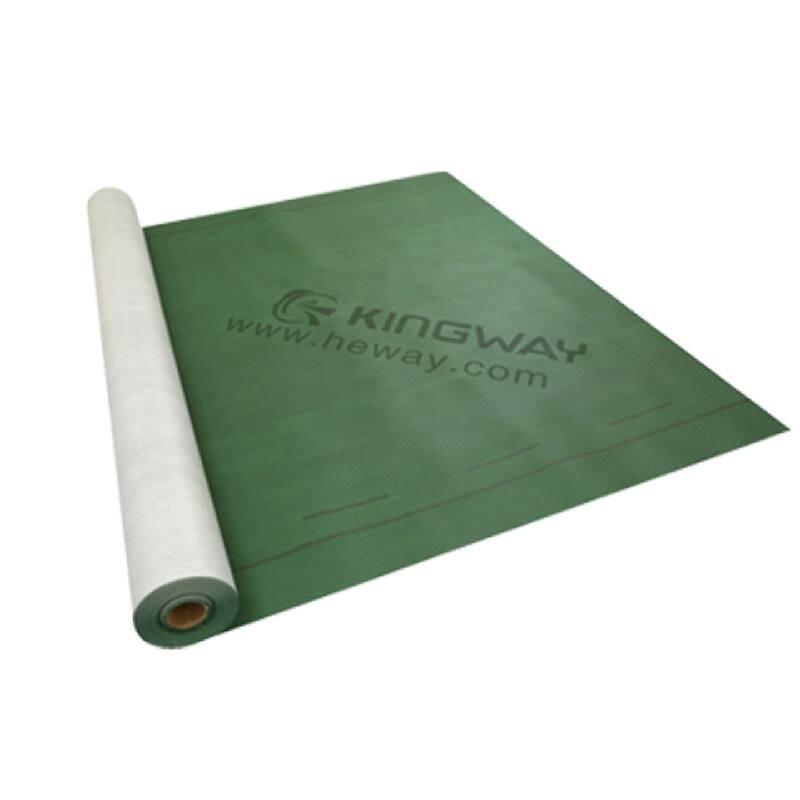
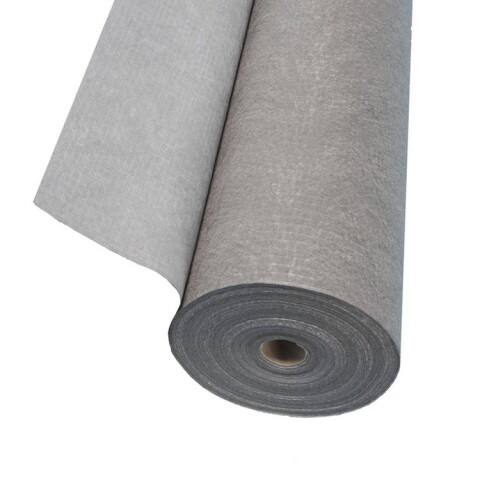
The breather membrane demonstrates remarkable versatility, performing effectively across diverse construction applications, climate conditions, and building typologies. In pitched roof systems, the membrane installs directly over rafters beneath battens and tiles, providing essential secondary weather protection while facilitating ventilation within the roof void. For timber-frame construction, it serves as the critical weather-resistive barrier behind exterior cladding, protecting structural timber and insulation from moisture damage. In masonry cavity wall applications, the breather membrane enhances drainage plane performance while contributing additional weather protection and vapor management. Rainscreen cladding systems particularly benefit from breathable membrane technology, as the material supports the pressure-equalized design principle by managing moisture vapor while blocking bulk water. The breather membrane adapts equally well to residential homes, commercial buildings, agricultural structures, and industrial facilities, functioning reliably in coastal environments with salt-laden moisture, mountainous regions with extreme temperature variations, and urban settings with pollution exposure. This universal applicability stems from engineered material properties that maintain performance across temperature ranges, resist chemical degradation, and accommodate structural movements without tearing or losing protective characteristics. Architects, contractors, and building owners appreciate this versatility because it simplifies material specification, reduces inventory complexity, and ensures consistent moisture management principles across entire projects regardless of specific construction details or exposure conditions.