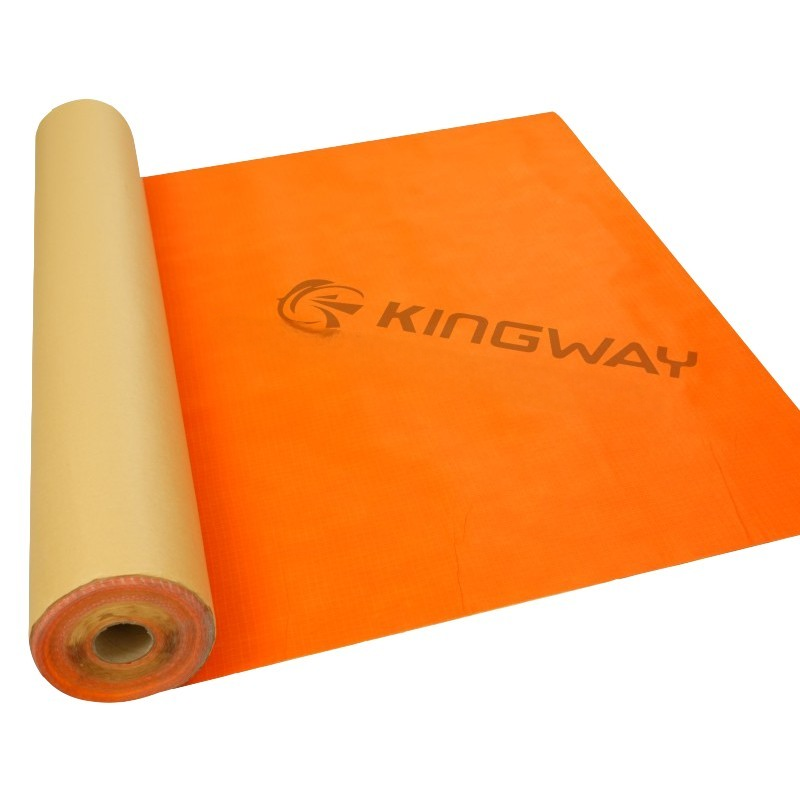
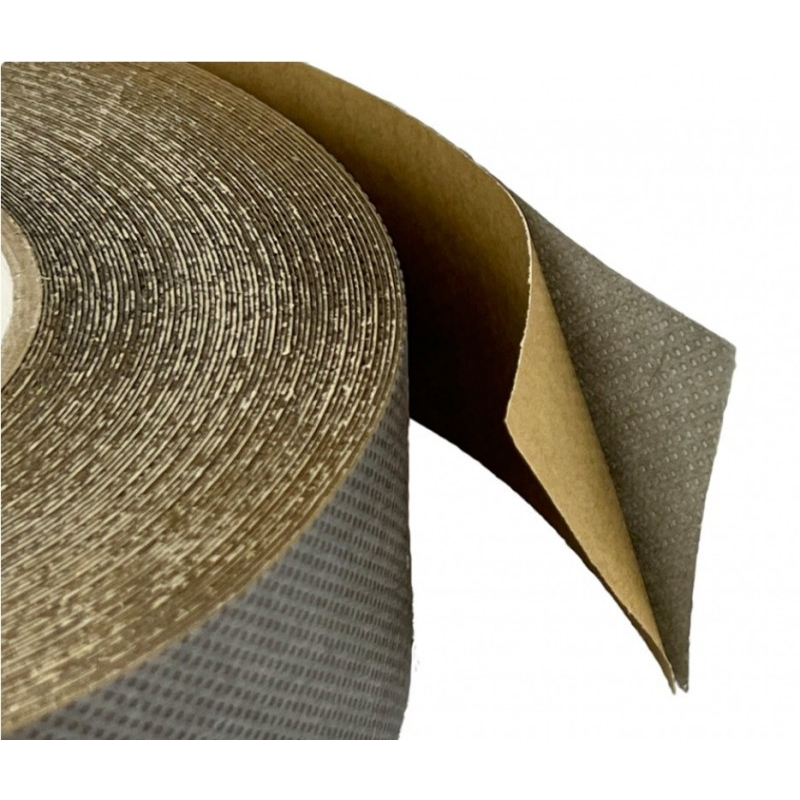
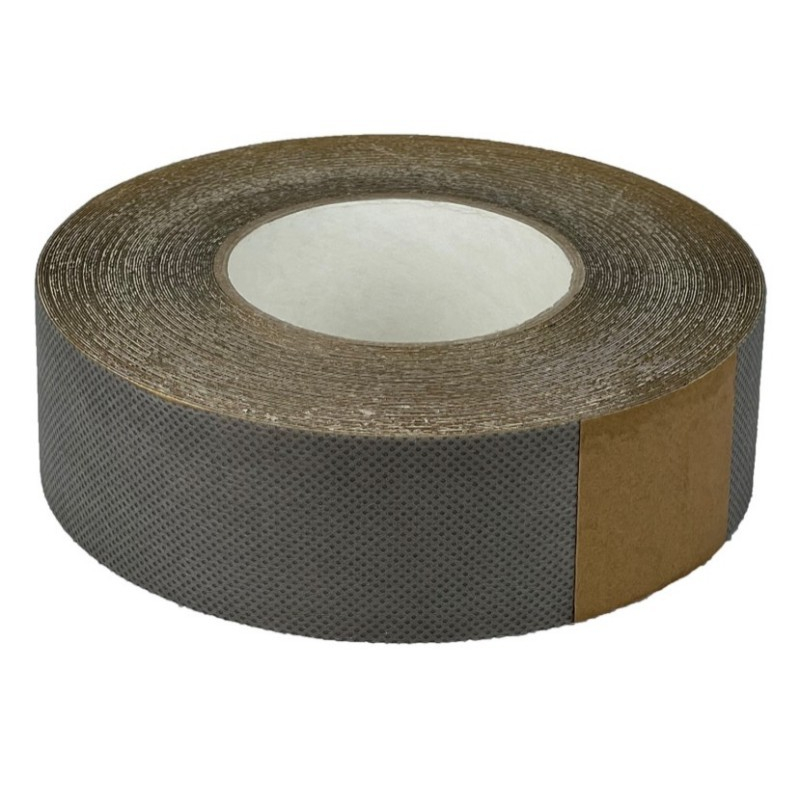
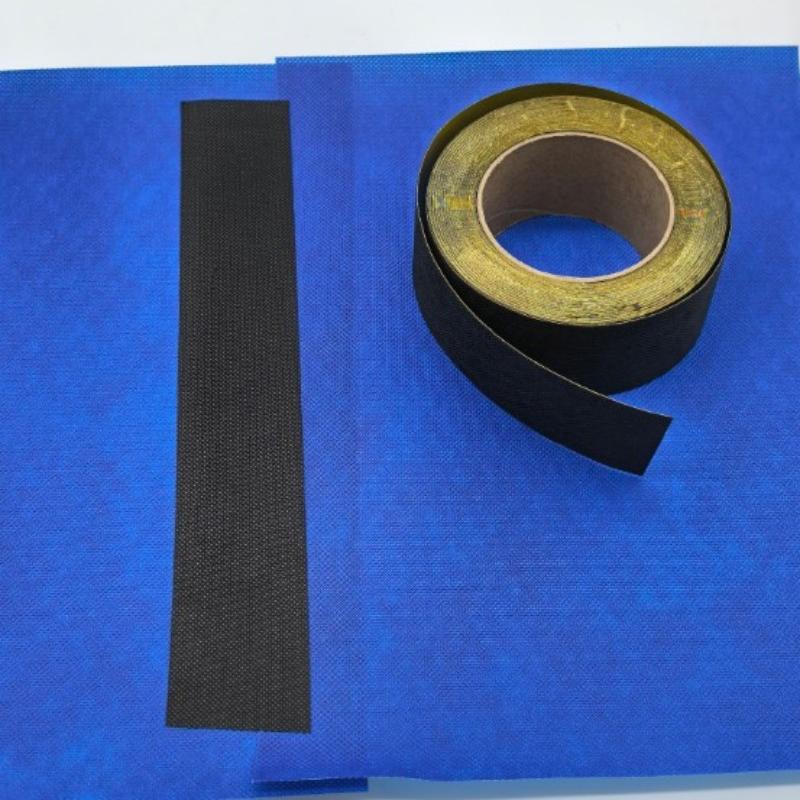
Flashing Roof Tape for Lasting Roof Repairs

flashing roof tape

Flashing roof tape is a self-adhesive sealing material designed to protect vulnerable areas of a roof from water, wind, and air movement. It commonly seals joints, edges, penetrations, cracks, and transitions around chimneys, vents, skylights, roof windows, gutters, and wall connections. A flashing roof tape creates a continuous barrier that directs rain away from seams and prevents moisture from entering the roof structure. Unlike rigid metal flashing, the tape bends and stretches around irregular surfaces, making it useful for both repairs and new construction. Most flashing roof tape products combine a waterproof backing with a strong pressure-sensitive adhesive. Some versions use aluminum foil, reinforced fabric, butyl rubber, modified bitumen, or polymer films to improve weather resistance and durability. The backing can reflect sunlight, resist tearing, and handle temperature changes, while the adhesive bonds to common roofing materials such as metal, asphalt, timber, masonry, concrete, and selected plastics. A flashing roof tape can also support temporary emergency repairs when a damaged area needs quick protection. When installed on a clean, dry, and sound surface, it forms a tight seal without requiring specialist equipment. Its flexible construction helps accommodate minor movement caused by heat, cold, vibration, or building settlement. For homeowners, contractors, and maintenance teams, a quality flashing roof tape offers a practical way to improve roof protection with less cutting, fastening, and mess than many traditional methods. Product widths, thicknesses, temperature ratings, and adhesive types vary, so users should select a flashing roof tape that matches the surface, exposure level, and intended service life.

Popular Products

The main advantage of flashing roof tape is simple installation. Users can measure, cut, peel, and press the material into place with ordinary hand tools. This reduces labor time and helps maintenance teams complete repairs without waiting for mortar, liquid coatings, or complex metalwork to cure. A flashing roof tape also limits the number of fasteners and drilled holes, reducing new points where water could enter. Its flexible surface follows curves, corners, ridges, and uneven transitions. This makes flashing roof tape suitable for detailed areas where rigid sheets may leave gaps or require several separate pieces. The adhesive also supports a clean finish, which can improve the appearance of visible repairs around roof edges, dormers, vents, and skylights. From a buyer's perspective, the product can lower total repair costs by combining sealing and flashing functions in one roll. Light rolls are easy to transport, store, and carry up a ladder, while preformed or wider options can cover larger areas quickly. A flashing roof tape is useful for planned work and urgent weather protection, allowing a contractor to stop water entry before a permanent repair is scheduled. It can help protect insulation, roof decking, framing, and interior finishes from moisture damage. Correct surface preparation remains important: remove dust, oil, loose granules, and standing water, then apply firm pressure across the full bond area. Buyers should check whether the chosen flashing roof tape suits the substrate and climate. Some products perform best in moderate temperatures, while advanced grades provide stronger adhesion in cold weather, high heat, or prolonged sunlight. The right choice should consider expected movement, exposure, width, thickness, color, and removal needs. Used within its stated limits, flashing roof tape provides fast, versatile, and dependable sealing for repairs, construction, and routine maintenance.

Tips And Tricks

What are the primary energy-saving advantages of a premium house wrap?

15

Jul

What are the primary energy-saving advantages of a premium house wrap?

A high-quality house wrap is one of the most cost-effective investments a builder or property owner can make when it comes to long-term energy efficiency. Installed beneath exterior cladding, a house wrap acts as a protective barrier that manages air...
View More
Why do international contractors buy our certified membrana hidrofuga?

14

Sep

Why do international contractors buy our certified membrana hidrofuga?

International contractors consistently choose our membrana hidrofuga for one fundamental reason: proven performance under demanding conditions. When builders and developers work across multiple continents and climate zones, they need materials that d...
View More
Can high-quality membrana hidrofuga improve warehouse climate control?

19

Oct

Can high-quality membrana hidrofuga improve warehouse climate control?

Warehouse climate control is critical to protecting inventory, extending product lifespan, and maintaining operational efficiency. Environmental factors like humidity, moisture infiltration, and temperature fluctuations can damage goods, reduce produ...
View More
Why is our factory-direct roofing underlayment a top global choice?

27

Oct

Why is our factory-direct roofing underlayment a top global choice?

The construction industry demands materials that combine durability, affordability, and proven performance. Roofing underlayment has become an essential component in modern building projects, serving as a critical barrier between the roof deck and th...
View More

Get a Free Quote

Our representative will contact you soon.
Email
Name
Company Name
Message
0/1000

flashing roof tape

Flexible Sealing Around Difficult Roof Details

Flexible Sealing Around Difficult Roof Details

A key strength of flashing roof tape is its ability to conform to shapes that are difficult to seal with rigid materials. The tape can follow curved pipes, raised seams, rough masonry, narrow corners, and changing roof angles. This flexibility helps reduce open edges and overlapping pieces, which are common weak points in complicated repairs. A flashing roof tape can be pressed around vents, skylights, chimneys, and wall junctions to create a smoother transition between surfaces. Its stretch and conformability also help accommodate small movements caused by temperature changes or normal building vibration. For installers, this means fewer cuts, less waste, and a faster application process. For property owners, it means better coverage in areas where leaks often begin. Before applying the material, the surface should be stable, clean, and dry, with sharp debris removed. Once positioned, the flashing roof tape should receive firm, even pressure so the adhesive can contact the surface fully. This practical flexibility makes the product valuable for both detailed new work and uneven repair zones.
Strong Weather Protection and Long-Term Value

Strong Weather Protection and Long-Term Value

Flashing roof tape helps create a barrier against rain, melting snow, wind-driven water, and humid air. Depending on the design, its outer layer may resist ultraviolet exposure, tearing, punctures, and repeated temperature changes. These properties matter because roof details remain exposed to harsh conditions long after installation. A flashing roof tape can protect seams and penetrations before moisture reaches insulation, timber, decking, or indoor finishes. That protection may reduce the chance of larger repairs and help extend the useful life of surrounding roof components. Many products use a foil, polymer, or reinforced backing to support dependable outdoor performance, while the adhesive maintains contact across the sealed area. Buyers should compare the product's temperature range, exposure rating, thickness, and compatibility rather than choosing only by price. A suitable flashing roof tape delivers value through fewer callbacks, less routine maintenance, and more confidence during wet weather. It does not replace damaged structural materials or correct poor drainage, but it provides an effective first line of defense when the roof surface is sound and installation follows the manufacturer's instructions.
Fast, Clean Application for Repairs and Construction

Fast, Clean Application for Repairs and Construction

The installation speed of flashing roof tape makes it useful when time, access, and weather create pressure. An installer can cut the required length, remove the release liner, position the tape, and press it down without mixing compounds or carrying bulky equipment. This simple process supports repair work on homes, commercial buildings, workshops, extensions, and outdoor structures. A flashing roof tape can help stop a developing leak quickly, giving the owner time to arrange a broader inspection or permanent replacement. It also suits planned construction because workers can seal roof edges and penetrations as the covering is installed. Rolls are generally easy to store and move, and many widths allow users to match the material to the size of the detail. Clean application depends on careful alignment, adequate overlap, and strong pressure along edges and seams. The flashing roof tape should not be applied over loose dust, oil, frost, or standing water unless the selected product specifically allows those conditions. When preparation is correct, this efficient solution can reduce disruption, labor demand, and the risk of leaving an exposed area open during the workday.

Get a Free Quote

Our representative will contact you soon.
Email
Name
Company Name
Message
0/1000