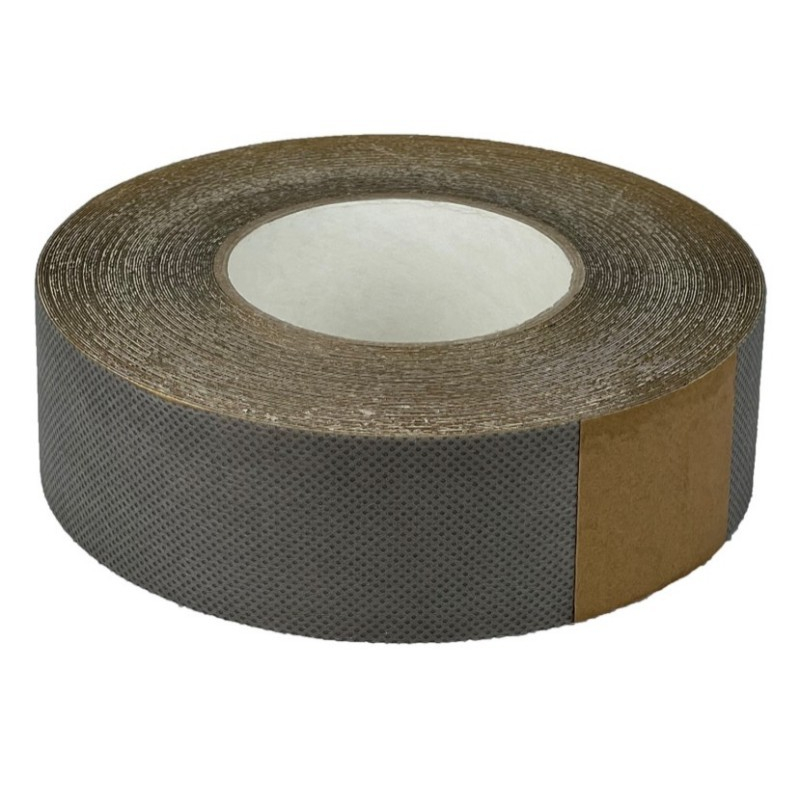
Green building certifications represent a significant commitment to environmental responsibility and energy efficiency. Buildings pursuing these certifications must meet rigorous performance standards that often include air leakage control as a critical requirement. Certified airtight tape plays an essential role in achieving these demanding targets by creating reliable seals that prevent uncontrolled air infiltration and exfiltration throughout building envelopes. When properly specified and installed, airtight tape becomes the foundation of comprehensive air sealing strategies that directly support certification compliance.
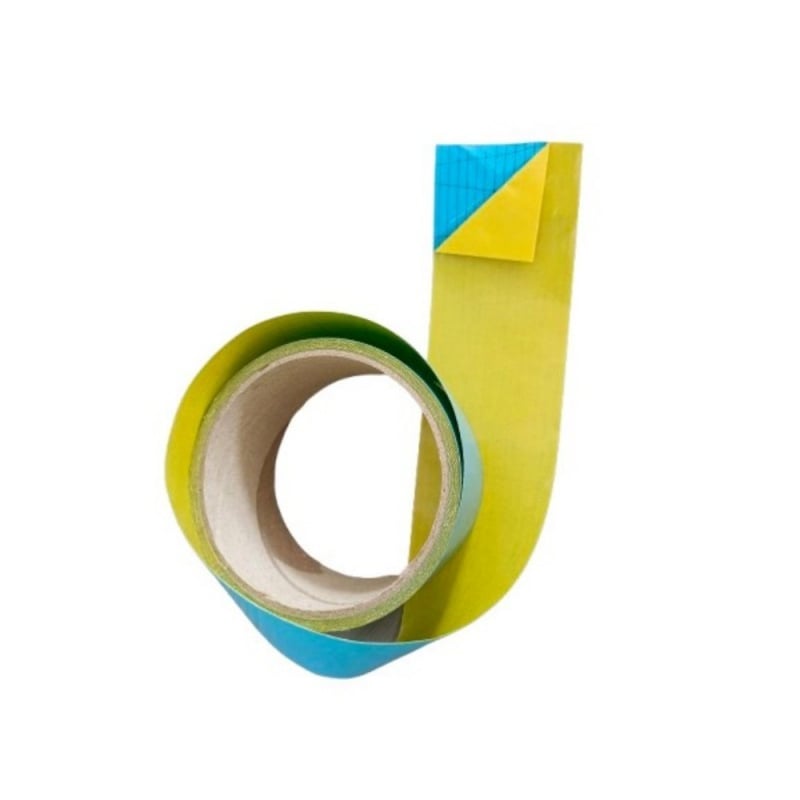
The relationship between airtight tape performance and green certification outcomes is direct and measurable. Buildings achieving LEED, Passive House, or equivalent certifications depend on verified air sealing methods, and airtight tape serves as the primary material connecting these performance objectives to real-world construction practices. Understanding how airtight tape contributes to certification pathways helps project teams make informed material selections that support both environmental goals and regulatory compliance requirements.
How Airtight Tape Supports Green Building Standards
Role of Airtight Tape in Building Envelope Performance
Building envelopes depend on consistent air barriers to minimize thermal losses and reduce heating and cooling demands. Airtight tape seals joints, penetrations, and transitions where air barriers connect, creating continuous paths that prevent air leakage from bypassing insulation. When airtight tape meets material compatibility standards and maintains adhesion across temperature variations and building movements, it delivers measurable reductions in uncontrolled air infiltration. Green certification programs measure envelope performance through blower door tests that directly quantify air leakage rates, making airtight tape performance a verifiable component of certification success.
Certification Program Requirements for Air Sealing
Major green building certification systems establish specific air leakage targets that buildings must achieve. LEED v4.1 standards require documented air sealing strategies and verification testing. Passive House certification demands exceptionally low air leakage rates measured at fifty pascals of pressure. Each certification pathway requires airtight tape products to perform consistently and maintain functional integrity throughout the building lifecycle. Certified airtight tape products provide third-party verification that material performance meets or exceeds these certification requirements, reducing project risk and supporting compliance documentation.
Technical Specifications and Certification Pathways
Performance Criteria for Certified Airtight Tape
Certified airtight tape must meet established performance standards including tensile strength, elongation, adhesion to common building materials, and temperature resistance. Testing protocols verify that airtight tape maintains seal integrity across thermal cycling, UV exposure, and mechanical stress conditions typical in building applications. Products certified for green applications undergo validation that confirms airtight tape functionality within realistic construction environments. Material compatibility testing ensures that airtight tape performs reliably when applied to vapor barriers, membranes, insulation systems, and structural components specified in green building designs.
Documentation and Verification Requirements
Building teams pursuing green certifications must document material specifications, installation procedures, and performance verification for airtight tape selections. Third-party certifications provide independent confirmation that selected airtight tape products meet established standards and support certification compliance strategies. Documentation requirements typically include product data sheets confirming that airtight tape meets relevant performance standards, installation guidelines specifying proper application techniques, and quality assurance protocols ensuring consistent workmanship. When airtight tape documentation aligns with certification program requirements, project teams streamline the approval process and strengthen compliance evidence.
Implementation Strategies for Green Certification Success
Specification and Installation Best Practices
Successful airtight tape application requires careful attention to surface preparation, material selection, and installation technique. Surfaces must be clean and dry to ensure reliable adhesion, and airtight tape must be applied without tension to prevent premature failure. Installation teams benefit from clear specifications identifying where airtight tape is required, what product specifications must be met, and how installation quality will be verified. Training and quality assurance procedures ensure that airtight tape performs as designed and maintains functional integrity throughout construction and occupancy phases.
Integration with Comprehensive Air Sealing Strategies
Airtight tape functions most effectively as part of comprehensive air sealing strategies that address all potential air leakage pathways. Successful green buildings combine airtight tape applications with gaskets, sealants, membranes, and flashing systems designed to work together as integrated air barriers. When airtight tape selections align with overall air sealing approaches, buildings achieve the continuous, connected barriers that green certification programs require. Project teams that coordinate airtight tape specifications with complementary air sealing materials and installation procedures maximize the likelihood of passing rigorous blower door testing and meeting certification targets.
FAQ
Does airtight tape alone guarantee green certification compliance?
Airtight tape contributes significantly to certification compliance, but achieving green certifications requires comprehensive approaches addressing insulation, ventilation, moisture management, and energy performance holistically. Certified airtight tape provides essential air sealing functionality, but certification success depends on coordinated strategies throughout the building design and construction process. When airtight tape specifications align with overall certification requirements and installation quality is verified, buildings substantially improve their likelihood of passing required testing and achieving certification goals.
What testing standards verify that airtight tape meets green building requirements?
Industry standards including ASTM D1000 and EN standards establish performance criteria for pressure-sensitive tapes used in building applications. Third-party certification bodies test airtight tape products to verify tensile strength, adhesion durability, temperature resistance, and other properties relevant to green building performance. These testing protocols confirm that airtight tape maintains functional integrity under conditions typical in green building construction, supporting compliance documentation and reducing project risk during certification verification processes.
How does airtight tape impact overall building energy efficiency and certification scoring?
Airtight tape directly reduces uncontrolled air infiltration, which is a primary driver of energy consumption in many buildings. When airtight tape successfully seals all air barrier penetrations and transitions, buildings achieve lower heating and cooling demands that translate to improved energy performance ratings used in green certification scoring systems. Modeling and field verification demonstrate that high-quality airtight tape installations consistently reduce air leakage rates, directly supporting energy efficiency targets and certification point allocation.