Your roof is one of the most critical investments in your home or commercial property, and protecting that investment goes far beyond the shingles or tiles you see from the ground. Many property owners overlook the crucial role that roofing underlayment plays in extending their total roof warranty and enhancing long-term protection. Understanding how premium roofing underlayment works and its direct impact on warranty coverage is essential for making informed decisions about roof construction and maintenance.
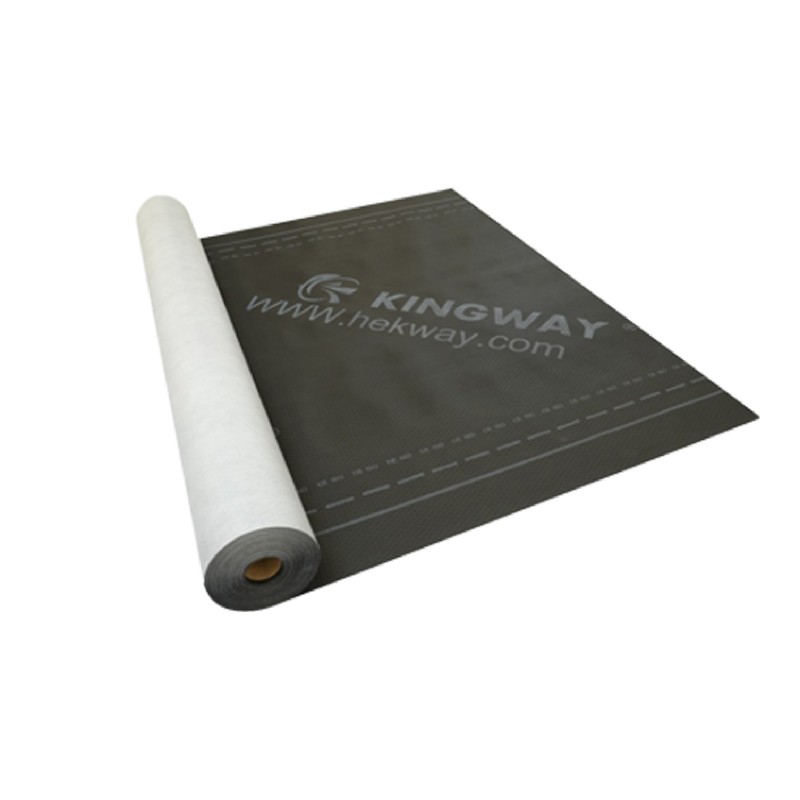
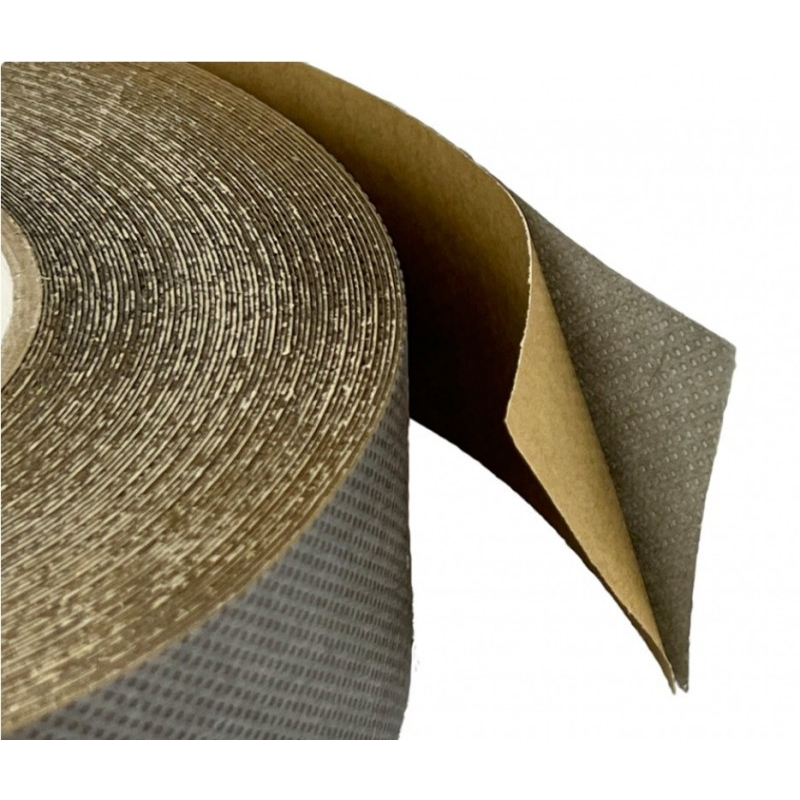
Premium roofing underlayment serves as a secondary barrier beneath your primary roofing material, offering protection against water intrusion, UV exposure, and environmental stress. When roofing underlayment meets specific performance standards and durability thresholds, manufacturers and contractors often extend warranty terms to reflect the enhanced protection these materials provide. This synergy between quality underlayment and warranty extension represents a concrete business case for upgrading beyond basic felt or asphalt-saturated options.
How Premium Roofing Underlayment Strengthens Warranty Coverage
The Role of Roofing Underlayment in Warranty Eligibility
Roofing underlayment acts as a critical compliance factor in most modern roof warranty agreements. Many premium roofing material manufacturers specify that their warranties are only valid when installed over qualified roofing underlayment that meets minimum performance requirements. If your roofing underlayment does not meet the manufacturer's specifications, warranty claims may be denied or significantly reduced. This qualification requirement means that selecting premium roofing underlayment directly influences whether your roof warranty remains valid and enforceable throughout its term.
High-performance roofing underlayment that resists moisture penetration, maintains structural integrity under temperature cycling, and resists UV degradation aligns with warranty manufacturers' risk mitigation strategies. When contractors install premium roofing underlayment that exceeds minimum thresholds, insurers and manufacturers gain confidence that the roof system will perform reliably. This confidence translates into extended warranty periods and broader coverage terms that protect property owners from unexpected repair costs.
Moisture Protection and Extended Coverage Terms
Water damage is the leading cause of roof-related insurance claims and warranty disputes. Premium roofing underlayment with advanced waterproofing properties dramatically reduces the likelihood of water infiltration that can compromise your entire roof assembly. When roofing underlayment includes high water vapor permeability and breathable characteristics, it prevents condensation buildup that degrades insulation and creates mold conditions. This moisture management capability is often explicitly recognized in warranty documents as justification for extended coverage periods.
Many manufacturers extend their total roof warranty by two to five years when roofing underlayment meets specific vapor transmission standards. The roofing underlayment specifications ensure that moisture is managed effectively, preventing the deterioration that typically shortens roof lifespan. This direct correlation between roofing underlayment performance and warranty extension makes it a strategic investment for property owners seeking maximum roof durability.
Durability Factors That Extend Roofing Underlayment Warranty Benefits
UV Resistance and Long-Term Performance
Premium roofing underlayment formulated with anti-UV compounds maintains its structural properties even when temporarily exposed to direct sunlight during construction or after storm damage. Standard roofing underlayment degrades rapidly under UV exposure, becoming brittle and losing its waterproofing effectiveness. When roofing underlayment resists UV damage, it ensures that the secondary protection layer remains intact throughout the roof's service life, directly supporting warranty claims that depend on complete roof system integrity.
The anti-UV characteristics of premium roofing underlayment justify warranty extensions because they prevent the common failure pattern where underlayment degrades before the primary roofing material reaches end-of-life. Manufacturers recognize that roofing underlayment with proven UV stability delivers better overall system performance, enabling them to offer longer warranty periods with confidence. This durability advantage makes the initial investment in premium roofing underlayment a cost-effective path to extended warranty coverage.
Temperature Cycling and Structural Integrity
Roofing underlayment experiences extreme temperature variations that cause material expansion and contraction daily and seasonally. Premium roofing underlayment engineered to accommodate these thermal cycles without cracking or separating from the roof deck maintains its protective function throughout the warranty period. Standard roofing underlayment often fails prematurely due to thermal stress, creating gaps where water and air can penetrate the roof system and cause accelerated deterioration of underlying components.
When roofing underlayment maintains dimensional stability across temperature ranges from freezing to extreme heat, it supports warranty claims by preventing the secondary failures that invalidate coverage. Warranty documents increasingly specify that roofing underlayment must maintain specified tear strength and flexibility after thermal conditioning. Premium roofing underlayment products that meet these rigorous standards enable manufacturers to extend warranty periods, confident that the complete roof system will perform reliably under real-world environmental stress.
Strategic Value of Warranty Extension Through Roofing Underlayment Selection
Total Cost of Ownership and Warranty Extension ROI
The additional cost of premium roofing underlayment compared to basic options is typically recovered through extended warranty coverage that reduces long-term maintenance expenses and emergency repair costs. When roofing underlayment selection extends your total roof warranty by three to seven years, the warranty protection often justifies the material upgrade within the first decade of roof installation. Commercial property owners and residential investors particularly benefit from this warranty extension because it provides predictable cost structures and reduces unplanned capital expenditures.
Calculating the return on investment for premium roofing underlayment requires comparing the additional material and installation costs against the extended warranty period and the reduced risk of water damage claims. When roofing underlayment upgrades extend warranty coverage by five years on a typical 20-year roof system, the warranty extension represents a 25 percent increase in protection for a material cost increase of 8 to 12 percent. This favorable cost-benefit ratio makes premium roofing underlayment a strategically sound choice for property owners prioritizing long-term durability and warranty security.
Compliance Documentation and Warranty Enforcement
Proper documentation of roofing underlayment installation is essential for enforcing warranty coverage when issues arise. Contractors and property owners must maintain records showing that installed roofing underlayment meets manufacturer specifications and warranty requirements. When roofing underlayment does not meet documented specifications, warranty claims can be denied, leaving property owners responsible for expensive repairs. This compliance requirement emphasizes the importance of specifying premium roofing underlayment from the beginning to ensure warranty validity throughout the roof's service life.
Building codes and roofing standards increasingly require roofing underlayment that meets specific performance ratings and testing standards. Premium roofing underlayment typically carries certifications and test reports demonstrating compliance with these standards, making warranty enforcement straightforward when documentation is complete. When disputes arise about whether roofing underlayment meets warranty requirements, independent test data from premium products provides objective evidence supporting warranty claims. This documentation value makes premium roofing underlayment particularly important in commercial applications where warranty compliance and dispute resolution involve significant financial stakes.
FAQ
Does standard roofing underlayment affect roof warranty validity?
Yes, many manufacturers specify minimum roofing underlayment performance requirements in warranty documents. If installed roofing underlayment does not meet these specifications, warranty claims may be denied or limited. Using premium roofing underlayment that exceeds minimum requirements helps ensure warranty validity and often qualifies for extended coverage periods that increase your total protection timeline.
How much longer can premium roofing underlayment extend my warranty?
Warranty extensions vary by manufacturer and roofing underlayment product specifications, but extensions typically range from two to seven additional years. Premium roofing underlayment with superior moisture resistance, UV stability, and durability often qualifies for the maximum extension available. Contacting your roofing material manufacturer directly to verify warranty extension eligibility for specific roofing underlayment products ensures you understand the potential coverage increase.
Is the cost of premium roofing underlayment worth the warranty extension?
For most property owners, premium roofing underlayment represents a cost-effective investment when it extends warranty coverage by three or more years. The additional material and installation costs are typically recovered through reduced long-term maintenance expenses and protection against expensive water damage claims. Commercial property owners and long-term homeowners particularly benefit from the warranty extension and enhanced protection that premium roofing underlayment provides throughout the roof's service life.