Selecting the right single sided tape for outdoor applications requires understanding how different adhesive formulations and backing materials perform under moisture exposure. When equipment, structures, or components face constant wet conditions, rain, or humidity, the wrong single sided tape choice can lead to bond failure, material degradation, and costly repairs. Industrial facilities, roofing contractors, and maintenance teams must evaluate single sided tape options based on moisture resistance specifications rather than relying on generic adhesive products designed for indoor use.
The performance difference between standard single sided tape and moisture-resistant formulations becomes apparent within weeks of outdoor exposure. Superior moisture resistance in single sided tape products depends on three critical factors: the adhesive chemistry itself, the backing material's water absorption rate, and the tape's edge-seal integrity. Understanding these factors helps facility managers, engineers, and procurement specialists make informed decisions about which single sided tape will deliver lasting bond strength in their specific outdoor environment.
Adhesive Chemistry and Moisture Performance
Polymer-Based Adhesive Systems
Modern single sided tape products use advanced polymer adhesives that resist water penetration differently than older rubber-based formulations. Acrylic and synthetic rubber adhesives in premium single sided tape products create molecular structures that shed water rather than absorb it, maintaining bond strength through seasonal moisture cycles. The best single sided tape for outdoor use typically features polymer blends that cure over time, creating stronger cross-links that resist moisture migration. When moisture contacts standard adhesive, it weakens the bond by creating a lubrication layer between surfaces; premium single sided tape adhesives minimize this effect through hydrophobic chemistry.
Moisture Barrier Coatings
Leading single sided tape manufacturers apply specialized barrier coatings to the exposed adhesive surface, creating an additional water-resistance layer. This coating on quality single sided tape products allows the adhesive to maintain its tackiness while blocking water from reaching the bond interface. The application of barrier technology represents a key distinction between basic single sided tape and high-performance variants designed for roofing, marine, or outdoor industrial bonding. Coated single sided tape options can maintain 85 to 95 percent of their original strength after extended water exposure, compared to 40 to 60 percent for uncoated alternatives.
Backing Material Properties and Water Resistance
Non-Woven and Synthetic Backings
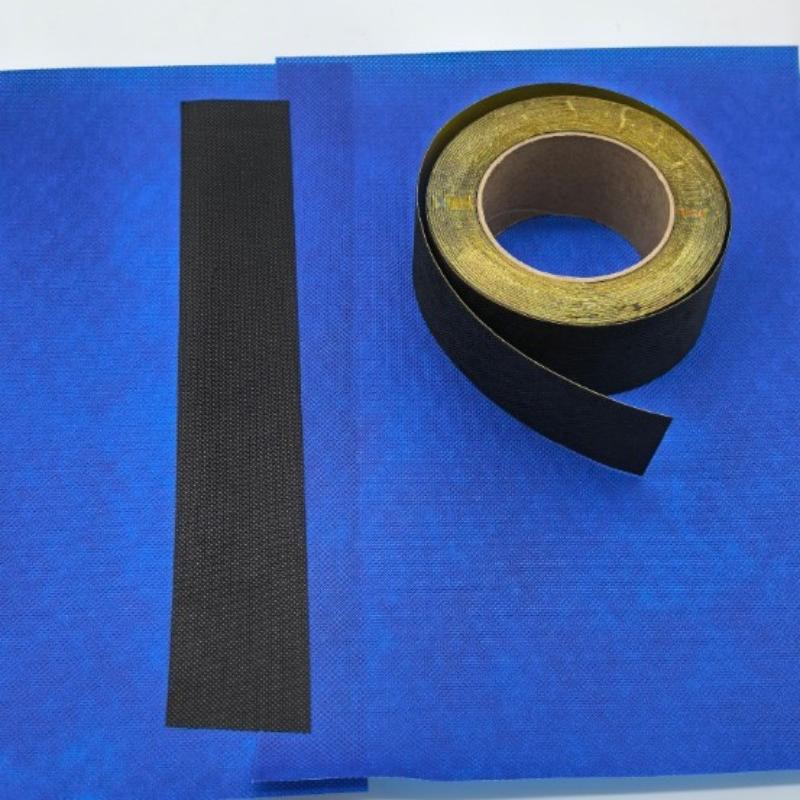
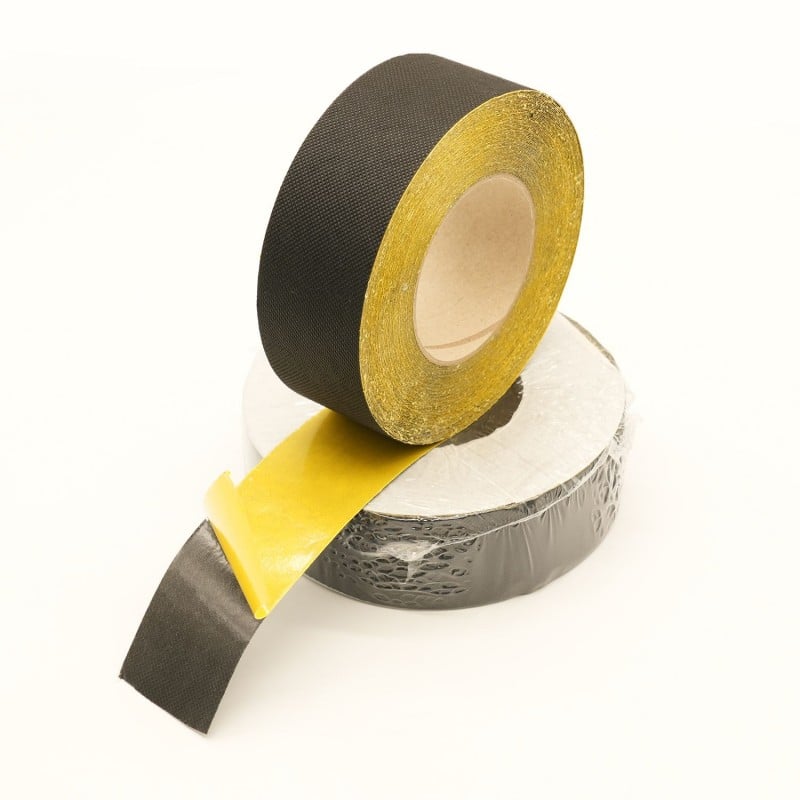
The backing material of single sided tape critically influences moisture resistance because water wicks through porous materials into the adhesive layer underneath. High-quality single sided tape products use non-woven synthetic backings that resist water absorption while maintaining flexibility needed for irregular surfaces. Non-woven single sided tape backing materials compress when wet but return to original thickness once moisture dries, preventing permanent deformation that would compromise the seal. Compared to paper or cloth-based single sided tape, synthetic backing options show superior performance in repeated wet-dry cycles common in outdoor environments.
Thickness and Density Specifications
The density of single sided tape backing affects how much water can pass through the material before reaching the adhesive layer. Thicker single sided tape products with higher backing density provide extended moisture protection, though they offer reduced conformability on curved surfaces. Premium single sided tape formulations balance backing thickness with flexibility, typically ranging from 0.15 to 0.25 millimeters for outdoor applications. When evaluating single sided tape specifications, checking the water absorption rate of the backing material reveals how resistant the product will be during prolonged outdoor exposure.
Edge Seal Integrity and Installation Quality
Edge Protection and Moisture Ingress
Even the best single sided tape product fails prematurely if edges remain exposed to water infiltration along the perimeter of the bonded area. Superior single sided tape installations involve overlapping the tape beyond the target substrate or using complementary sealants along edges to prevent moisture from wicking beneath the bond. Professional installers understand that single sided tape performance depends as much on proper application technique as on material chemistry. The most durable single sided tape applications include rolled-edge techniques or secondary sealing that protects the vulnerable tape perimeter.
Surface Preparation and Bond Strength
Moisture resistance in single sided tape improves dramatically when the bonded surfaces are thoroughly cleaned and dried before installation. Contaminated or damp surfaces prevent single sided tape from forming a complete molecular bond, creating pathways for water to penetrate the adhesive layer. The initial strength of single sided tape bonds in outdoor applications depends on proper surface preparation, which determines how well the adhesive contacts the substrate. Once properly applied, premium single sided tape products develop maximum moisture resistance within 24 to 72 hours as the adhesive fully cures.
Industry Standards and Performance Testing
Moisture Resistance Certification
Reliable single sided tape products meet standardized moisture resistance tests that simulate outdoor exposure conditions over extended periods. Organizations like ASTM and ISO publish testing protocols that measure how single sided tape performs under controlled humidity, temperature cycling, and water immersion. When comparing single sided tape options, requesting test data for 90-day water immersion and humidity chamber tests reveals realistic performance expectations. Premium single sided tape products often provide third-party test documentation proving their moisture resistance ratings.
Real-World Application Performance
Roofing membrane repair, outdoor equipment bonding, and weatherproof sealing represent common applications where single sided tape must resist sustained moisture exposure. Facilities using specialized single sided tape for roofing applications report that high-performance products maintain 80 percent or greater bond strength after three years of outdoor service. The success of single sided tape in these demanding applications demonstrates that moisture resistance is achievable through proper material selection and installation. Organizations comparing single sided tape vendors should review case studies and customer references from similar outdoor environments.
FAQ
What makes some single sided tape more moisture resistant than others?
Superior moisture resistance in single sided tape comes from hydrophobic adhesive chemistry, water-resistant backing materials, and protective barrier coatings that prevent water penetration. The adhesive formulation determines whether water creates a slippery film that weakens the bond, while backing density controls how quickly moisture reaches the adhesive layer. Premium single sided tape products combine all three factors to maintain bond strength through wet environments.
Can single sided tape withstand continuous outdoor exposure?
Yes, specialized single sided tape products designed for outdoor use can maintain functional bond strength during continuous exposure when properly selected and installed. However, standard indoor single sided tape will degrade rapidly outdoors, typically losing 50 percent or more of its strength within weeks. The key is choosing single sided tape specifically rated for outdoor moisture resistance and ensuring proper surface preparation and edge sealing during installation.
How long does high-performance single sided tape last outdoors?
Premium single sided tape products rated for outdoor use typically maintain adequate bond strength for three to five years in standard outdoor conditions, with some formulations lasting longer in less severe environments. The actual lifespan of single sided tape depends on temperature extremes, UV exposure, mechanical stress, and humidity levels at your specific location. Regular inspection of bonded areas helps determine when single sided tape reapplication becomes necessary based on visible degradation or bond failure.