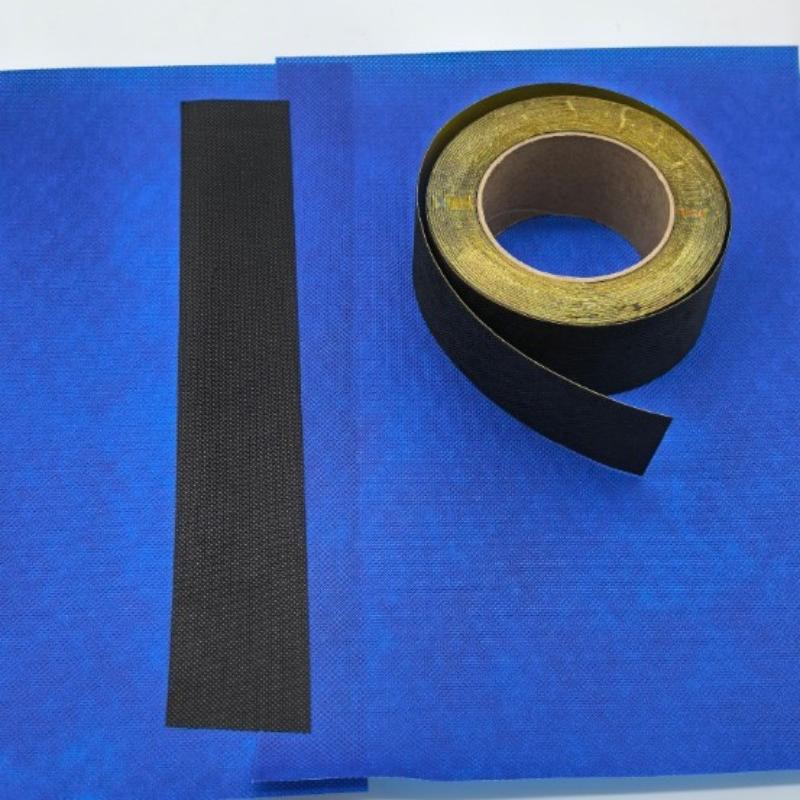
A waterproof breathable membrane represents a critical investment for any construction or building renovation project. Unlike simple plastic barriers, this engineered material serves dual purposes that directly impact structural longevity, occupant comfort, and project economics. Understanding why professional builders and architects specify certified waterproof breathable membranes reveals the genuine value proposition hidden behind the technical specifications and certification marks.
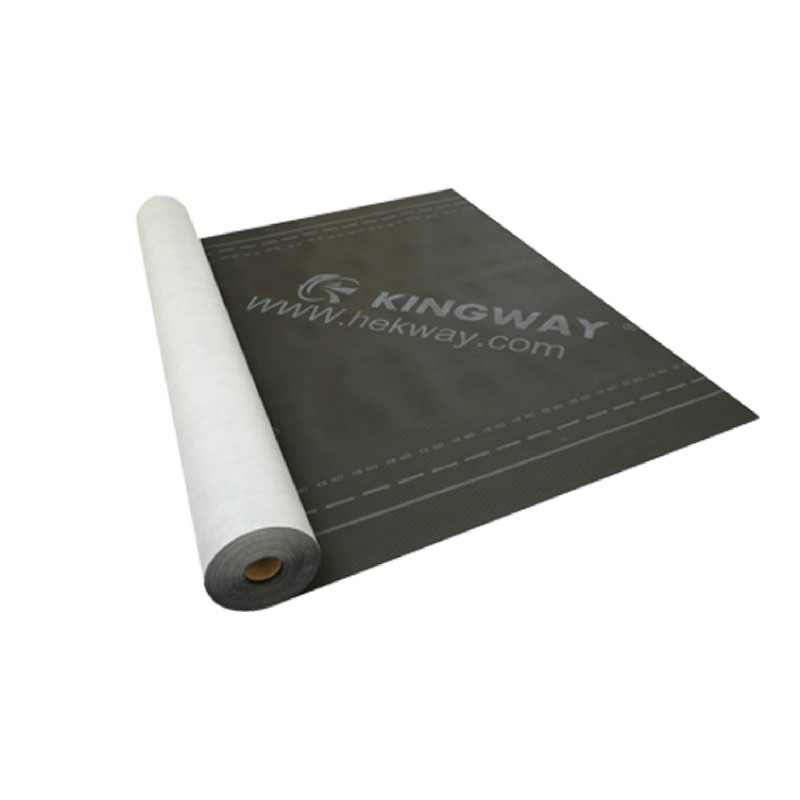
The distinction between a waterproof breathable membrane and standard construction barriers lies in molecular-level performance. A waterproof breathable membrane actively blocks liquid water while simultaneously allowing water vapor to pass through its structure. This capability prevents moisture accumulation within wall cavities, roof assemblies, and foundation systems—a problem that causes mold, rot, thermal degradation, and structural failure. Certified products undergo rigorous testing to prove they meet industry performance standards, ensuring predictable behavior across diverse climate conditions and installation scenarios.
How Waterproof Breathable Membranes Protect Your Building Structure
Preventing Moisture-Related Damage
Water intrusion remains the leading cause of building deterioration in residential and commercial properties. A waterproof breathable membrane creates the first line of defense against rain, snow melt, and wind-driven moisture. The waterproof breathable membrane blocks bulk water from entering wall systems, roof cavities, and insulation layers, protecting the structural framing, insulation, and interior finishes. Once certified to industry standards like ASTM E96 or EN ISO 12572, the waterproof breathable membrane demonstrates measurable resistance to water penetration under pressure, ensuring performance in severe weather conditions.
Managing Vapor Drive and Condensation
Interior spaces generate significant moisture through occupancy, cooking, and bathing. This moisture naturally migrates outward through building assemblies, seeking equilibrium with exterior air. A standard plastic vapor barrier traps this moisture, creating condensation zones that accumulate at material interfaces. A waterproof breathable membrane allows vapor transmission while blocking liquid water, preventing condensation buildup inside insulation and structural components. The certified waterproof breathable membrane typically permits vapor permeance ranging from 5 to 15+ perms, depending on the specific product and application, enabling safe moisture management while maintaining water resistance.
The Economic and Performance Benefits of Certification
Long-Term Cost Savings Through Durability
Investing in a certified waterproof breathable membrane reduces long-term maintenance costs and prevents catastrophic repairs. Moisture damage repairs often exceed initial membrane costs by ten to fifty times, involving structural replacement, mold remediation, and interior reconstruction. A waterproof breathable membrane installed correctly from the start eliminates these hidden expenses. Certified products carry performance warranties that reflect manufacturer confidence in durability, typically spanning twenty to fifty years depending on the waterproof breathable membrane material and environmental exposure. This durability directly translates to higher property value, reduced insurance claims, and faster project completion timelines.
Compliance With Building Codes and Standards
Modern building codes increasingly mandate moisture management requirements that specifically require a waterproof breathable membrane or equivalent layer in critical assemblies. Energy codes in cold climates require vapor management, while moisture durability standards in humid climates demand bulk water resistance. A certified waterproof breathable membrane meets these overlapping requirements simultaneously, simplifying code compliance and eliminating design conflicts. Builders and architects who specify certified products avoid redesigns, inspection failures, and liability exposure from moisture-related building defects. The waterproof breathable membrane certification proves the material meets or exceeds these regulatory expectations, providing defensible documentation during inspections and potential disputes.
Real-World Application Scenarios Where Investment Pays Dividends
Residential Construction in Variable Climates
Homes in regions experiencing freeze-thaw cycles, heavy precipitation, or seasonal humidity variations face particularly high moisture risk. A waterproof breathable membrane installed beneath exterior cladding, under roof membranes, or at foundation perimeters prevents damage from weather extremes and thermal cycling stress. The waterproof breathable membrane performs consistently across temperature ranges from freezing to extreme heat, maintaining flexibility and seal integrity in conditions where cheaper alternatives fail. Residential builders report fewer moisture-related callbacks and warranty claims after specifying certified waterproof breathable membrane products, directly improving their reputation and reducing service costs.
Commercial and Industrial Applications
Large commercial buildings and industrial facilities have greater exposure to building failure costs. A moisture failure in a twenty-story office building impacts hundreds of tenants, generates significant business interruption, and creates liability exposure. Waterproof breathable membrane systems specified with proper installation oversight ensure moisture management across complex building envelopes. The waterproof breathable membrane in commercial applications often interfaces with mechanical systems, fire-rated assemblies, and thermal barriers, making certified compatibility documentation essential. Industrial buildings with environmental control requirements depend on a waterproof breathable membrane to maintain controlled interior conditions while protecting structural integrity from external moisture sources.
Why Certification Matters More Than Price Alone
Verifiable Performance Standards
A certified waterproof breathable membrane has undergone third-party testing to demonstrate water resistance, vapor permeance, tensile strength, UV stability, and aging characteristics. Non-certified products may offer superficially similar appearance or marketing claims without proven performance data. The waterproof breathable membrane certification provides objective evidence of durability, allowing engineers and builders to specify products with confidence. Certification bodies like UL, SGS, or independent testing laboratories evaluate the waterproof breathable membrane under standardized conditions that reflect real-world exposure. This verification prevents costly failures where uncertified materials proved inadequate under actual site conditions, protecting both builder reputation and occupant safety.
Installation Support and Warranty Coverage
Certified waterproof breathable membrane manufacturers provide detailed installation specifications, training resources, and technical support that protect project success. The waterproof breathable membrane installation requires proper sealing at seams, appropriate fastener placement, and correct overlap sequencing to achieve the rated performance. Manufacturers of certified products stand behind their materials with performance warranties that cover the waterproof breathable membrane against manufacturing defects and specified failure modes. Non-certified alternatives typically lack warranty backing or technical support, leaving builders to troubleshoot performance issues independently. Contractors and builders recognize that a certified waterproof breathable membrane purchase includes access to manufacturer expertise and support that proves invaluable during complex installations or challenging site conditions.
FAQ
What makes a waterproof breathable membrane different from standard plastic sheeting?
A waterproof breathable membrane features a microporous or film structure that allows water vapor molecules to pass while blocking liquid water droplets and bulk water flow. Standard plastic sheeting blocks both water and vapor, creating condensation and trapping moisture inside assemblies. The waterproof breathable membrane maintains the moisture balance within building systems while providing superior water protection compared to porous materials alone.
How long does a certified waterproof breathable membrane typically last?
Certified waterproof breathable membrane products are designed to provide fifty or more years of performance when properly installed and maintained. UV-stabilized formulations protect the waterproof breathable membrane from degradation due to sun exposure during construction and after installation. Most manufacturers back certified waterproof breathable membrane products with twenty to fifty-year warranties, reflecting confidence in material longevity and durability under normal service conditions.
Can a waterproof breathable membrane be used in all climates?
A waterproof breathable membrane performs effectively across diverse climate zones, but selecting the right permeance rating matters. Cold climate applications require a waterproof breathable membrane with lower vapor permeance to prevent interior moisture from reaching cold surfaces, while humid climate applications need higher permeance to allow vapor escape. Certified products include permeance ratings and climate-specific installation guides, enabling proper waterproof breathable membrane selection for any geographic location and building assembly design.