
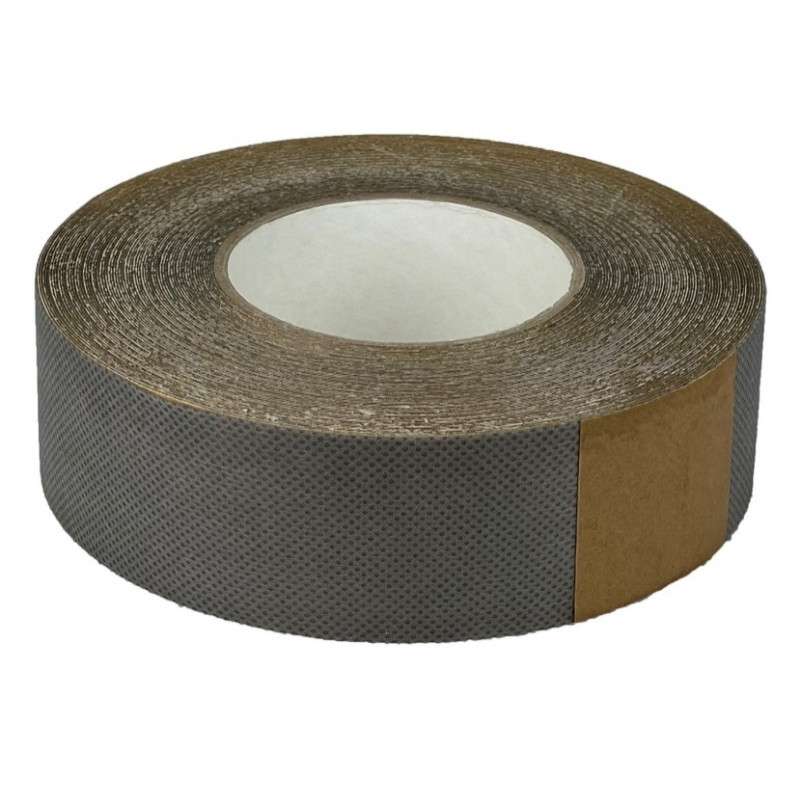
Air leakage represents one of the most significant sources of energy loss in modern construction projects, yet many builders and contractors overlook the critical role that proper sealing plays in preventing this waste. A professional single sided tape designed specifically for joining breathable membranes and vapor barriers can effectively address this challenge by creating reliable seals at critical junctures where air infiltration typically occurs. Understanding whether a professional single sided tape can prevent costly air leakage requires examining the science behind air barrier systems, the performance characteristics of quality sealing products, and the real-world conditions where such tapes deliver measurable value.
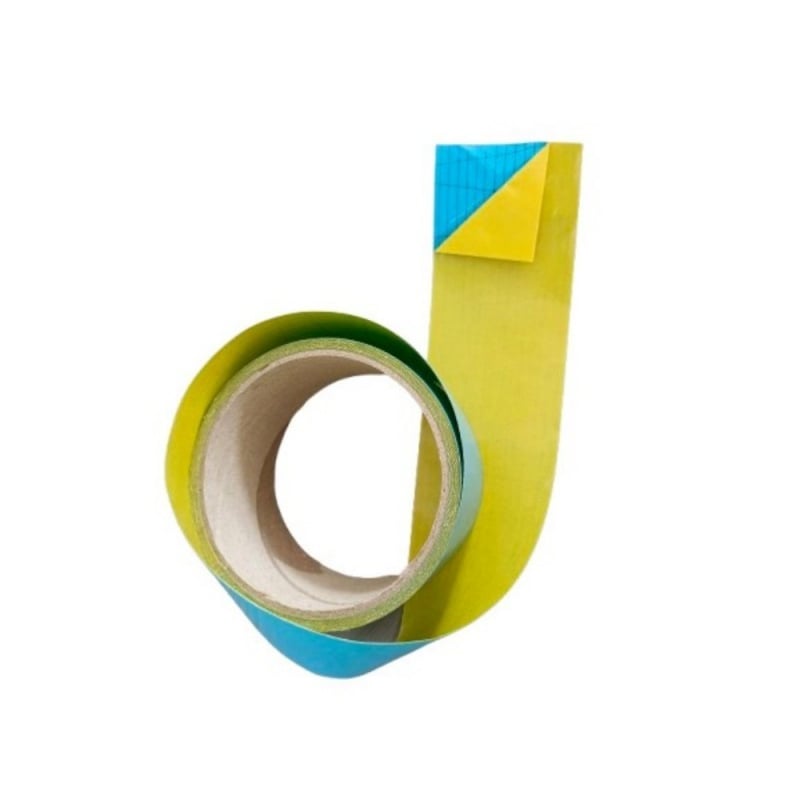
The answer is straightforward: yes, a professional single sided tape can prevent costly air leakage when applied correctly to appropriate surfaces and junction points. However, this prevention depends on selecting the right product formulation, understanding the conditions where single sided tape performs optimally, and integrating it into a comprehensive air sealing strategy. This article explores the practical evidence supporting tape-based air leakage prevention, the mechanisms that make professional single sided tape effective, and the specific scenarios where investing in quality sealing tape delivers the strongest return on energy efficiency improvements.
The Role of Professional Single Sided Tape in Air Barrier Systems
Understanding Air Leakage Pathways in Construction
Air leakage in buildings occurs through uncontrolled pathways where exterior air enters or conditioned interior air escapes, typically at junctions between building components. These pathways develop at roof-to-wall transitions, window and door frames, membrane overlaps, and connections between vapor barriers and structural elements. Professional builders recognize that a single sided tape applied at these critical junctions significantly reduces uncontrolled air movement. The effectiveness of any single sided tape depends on its adhesive formulation, backing material composition, and the surface preparation standards applied before installation.
Standard construction materials like oriented strand board, rigid foam insulation, and breathable membranes create natural sealing challenges because air can move through overlaps and gaps. A quality single sided tape bridges these gaps and creates an air-tight seal across the membrane surface. This function distinguishes single sided tape from general-purpose duct tape or painter's tape, which lack the durability and environmental resistance required for permanent air sealing applications. Professional contractors understand that selecting a single sided tape specifically formulated for HVAC and building envelope applications ensures long-term performance in both temperature-stable and temperature-cycling conditions.
How Single Sided Tape Creates Air Barriers
A professional single sided tape prevents air leakage by providing continuous adhesive contact across membrane seams and component junctions. The single-sided design means adhesive coats only one face of the tape backing, allowing flexible positioning and allowing the tape backing itself to provide structural integrity while the adhesive layer bonds to the target surface. This architecture differs from double-sided tape, which can trap moisture and create complications in vapor barrier applications. When applied to breathable membranes, single sided tape creates a targeted seal that maintains the membrane's vapor transmission properties while blocking air passage.
The adhesive in professional-grade single sided tape formulations includes polymers engineered to maintain tackiness across wide temperature ranges and extended exposure periods. This polymer chemistry prevents the tape from hardening in winter conditions or losing adhesion during summer heat expansion cycles. The backing material in quality single sided tape resists tearing and maintains flexibility, which prevents edge-lifting when underlying substrates experience thermal movement. These technical characteristics explain why a professional single sided tape outperforms low-cost alternatives in preventing persistent air leakage across multi-year building lifecycles.
Performance Standards and Measurable Air Leakage Prevention
Achieving Quantifiable Air Sealing Results
Building energy audits using blower door testing measure air leakage rates in air changes per hour at fifty pascals of pressure, providing objective data on sealing effectiveness. When contractors apply a professional single sided tape at all membrane seams and component transitions as part of a complete air sealing strategy, blower door results typically show measurable reductions in total building air leakage. These reductions translate directly into lower heating and cooling energy consumption because conditioned air no longer escapes through uncontrolled pathways. A single sided tape contributes to these improvements by preventing air movement through specific junction points that, when multiplied across an entire building envelope, create substantial cumulative leakage reduction.
Industry standards and building codes increasingly recognize the air sealing importance of properly applied single sided tape at vapor barrier seams and insulation transitions. Professional building scientists recommend single sided tape specifically for its ability to maintain an air barrier function across joint lines while preserving the underlying membrane's vapor management characteristics. When builders commit to this standard single sided tape application protocol across all appropriate junctions, the resulting air leakage prevention directly correlates with energy savings measured in reduced annual utility costs. The financial impact accumulates over decades of building operation, making professional single sided tape installation a cost-effective investment despite modest material costs.
Durability and Long-Term Air Sealing Performance
The durability of air sealing created by a professional single sided tape extends across the full operational life of the building when the tape remains protected from direct sunlight and mechanical damage. Exposure to ultraviolet light degrades most adhesive formulations, which is why single sided tape performs most reliably when covered by subsequent construction layers such as exterior cladding, interior drywall, or roof membranes. Professional installers understand that single sided tape serves as a permanent air barrier component comparable in longevity to the substrates it seals. This permanence contrasts sharply with temporary or semi-permanent air sealing approaches that require periodic inspection and re-application.
Quality single sided tape resists moisture penetration and maintains adhesive strength even when exposed to humidity cycling between wet and dry conditions. This performance capability means that a professional single sided tape prevents air leakage in basement rim joist applications, crawl space vapor barrier seams, and attic insulation transitions where moisture conditions fluctuate seasonally. The tape's resistance to adhesive breakdown under these challenging conditions ensures that the air sealing protection remains effective across decades of building exposure to weather extremes and seasonal temperature variations.
Implementation Standards for Maximum Air Leakage Prevention
Surface Preparation and Application Protocols
Successful air leakage prevention using a professional single sided tape requires meticulous surface preparation because adhesive bond strength depends entirely on clean, dry substrate conditions. Professional installers remove dust, dirt, moisture, and surface contaminants from the sealing location before applying single sided tape, ensuring maximum adhesive contact and longevity. This preparation step distinguishes professional air sealing from casual tape application, and the difference manifests clearly in blower door test results comparing properly installed single sided tape to casually applied alternatives. Building envelopes sealed with professionally applied single sided tape at all critical junctions consistently demonstrate superior air leakage prevention compared to partially sealed approaches.
Proper overlap techniques maximize the air leakage prevention performance of single sided tape at membrane seams and component transitions. Professional contractors overlap single sided tape applications by four to six inches across all seam locations, extending the tape over intact membrane areas on both sides of the seam. This overlap strategy ensures that any small imperfection in one section of tape is bridged by the overlapping tape section, creating redundant air sealing and preventing localized air leakage through pinhole defects or adhesive voids. The overlap approach represents standard professional practice specifically because it acknowledges real-world installation variability and creates margin for error in single sided tape application.
Identifying Appropriate Single Sided Tape Applications
Professional single sided tape delivers maximum air leakage prevention value when applied to specific building envelope transitions where air infiltration risk is highest. These high-priority applications include vapor barrier seams in crawl spaces, breathable membrane overlaps on exterior walls, insulation transitions at rim joists, and ductwork sealing in unconditioned spaces. A professional single sided tape proves less critical in interior applications where air movement has minimal impact on building energy performance or in locations where other sealing strategies provide equivalent or superior protection. Strategic application of single sided tape to high-impact junctions provides better cost-benefit results than attempting to seal every conceivable gap with tape.
Professional builders increasingly specify single sided tape as a standard component of comprehensive air barrier systems rather than relying on single sided tape alone for complete air sealing. This integrated approach combines single sided tape for seaming and transitioning components with complementary sealing methods such as spray foam, caulk, or gasket seals for other junction types. The combination strategy ensures that a professional single sided tape prevents leakage at locations where tape-based sealing excels while other methods address junction types requiring different sealing approaches. This nuanced specification strategy reflects the reality that no single sealing product addresses all air leakage pathways equally effectively.
FAQ
How much energy savings can result from using professional single sided tape to prevent air leakage?
Energy savings from comprehensive air sealing including professional single sided tape typically range from five to fifteen percent of annual heating and cooling costs, depending on climate severity, building design, and the extent of air leakage present before sealing. Buildings in cold climates with severe heating requirements often achieve larger percentage savings because air leakage prevention yields greater absolute energy reductions in heating-dominated scenarios. The financial value of air leakage prevention using single sided tape increases substantially in regions with high utility costs or extended heating and cooling seasons. Quantifying exact savings requires individual building energy modeling, but professional energy auditors consistently report measurable improvements following comprehensive air sealing projects that include proper single sided tape application at all critical junctions.
Can a professional single sided tape be applied over existing membranes without re-installation?
Yes, a professional single sided tape can be applied over existing intact membranes and vapor barriers without requiring full component replacement, making tape-based air sealing a cost-effective retrofit solution for buildings with identified air leakage problems. The retrofit approach works when existing membranes remain structurally sound and when surface conditions permit adequate tape adhesive bonding. Professional installers assess existing membrane condition and determine whether direct single sided tape application or surface preparation or cleaning is necessary before tape installation. This retrofit capability means that building owners can implement air leakage prevention improvements without the massive expense and disruption associated with complete envelope reconstruction.
What surface types work best with professional single sided tape for air leakage prevention?
Professional single sided tape performs optimally on clean, dry surfaces such as rigid foam insulation, oriented strand board, house wrap, breathable membranes, and similar materials that provide consistent, smooth substrates for adhesive bonding. Surfaces with coatings, paint, or contamination require cleaning or surface preparation before single sided tape application to ensure adequate adhesive performance. Absorbent materials like uncoated wood or unprimed drywall may require primer or sealant before single sided tape application to prevent adhesive absorption and potential bond failure. Professional builders verify surface compatibility and prepare substrates accordingly because single sided tape performance depends critically on substrate conditions at installation time.