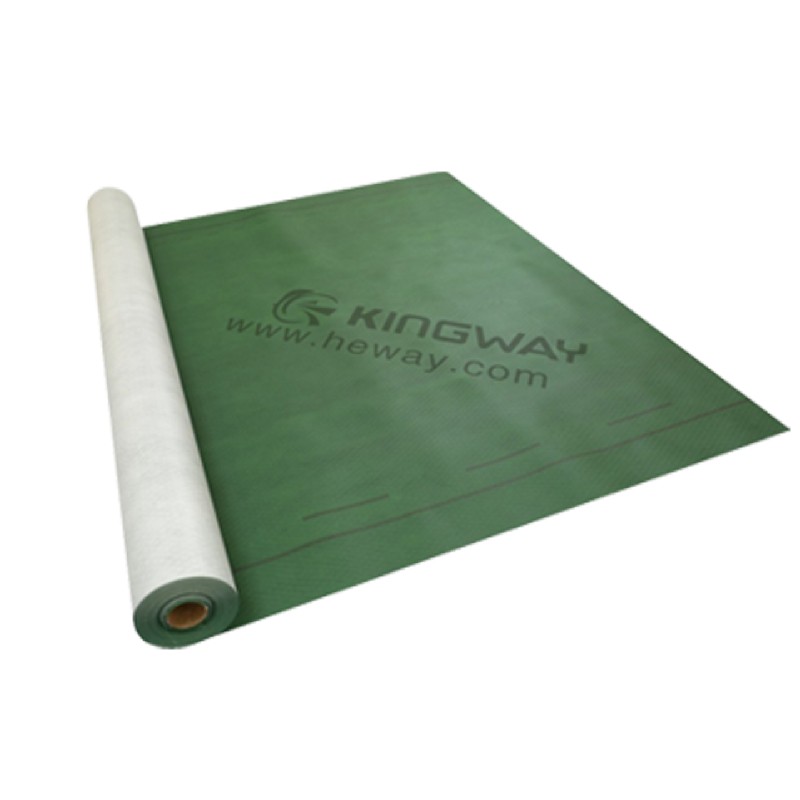
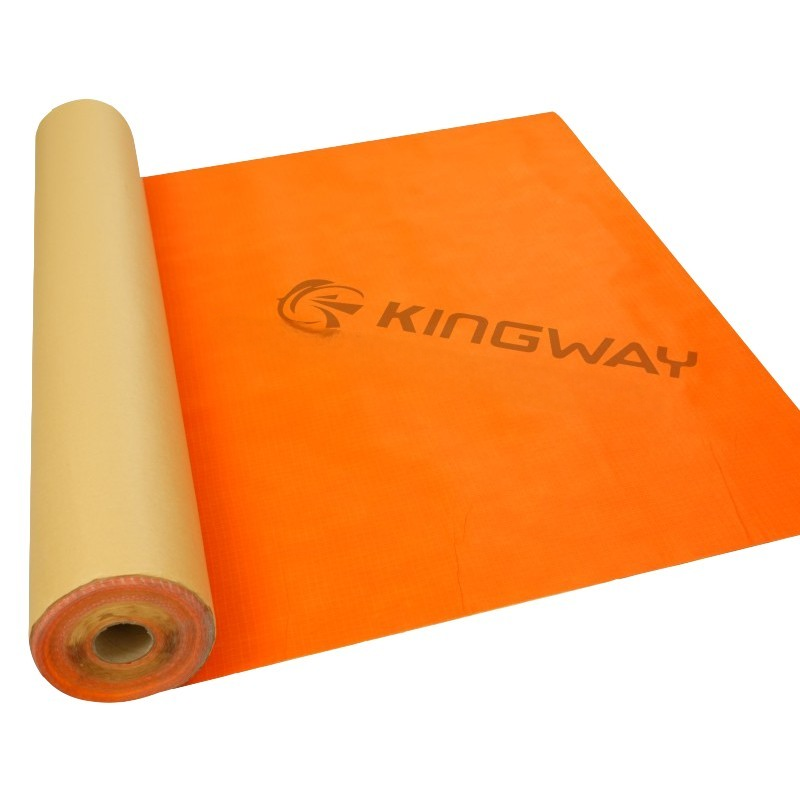
one sided tape
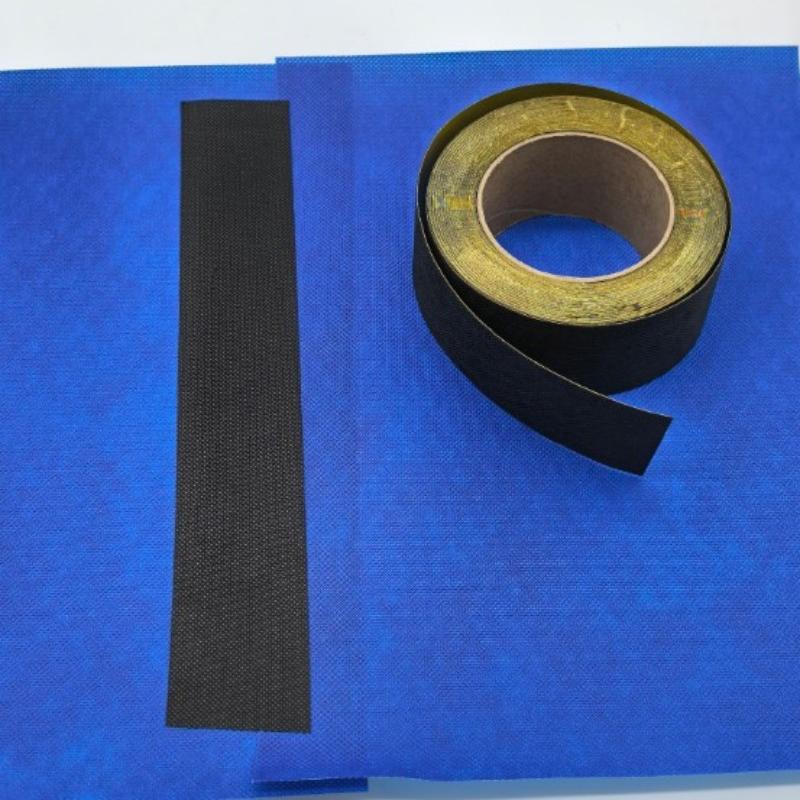
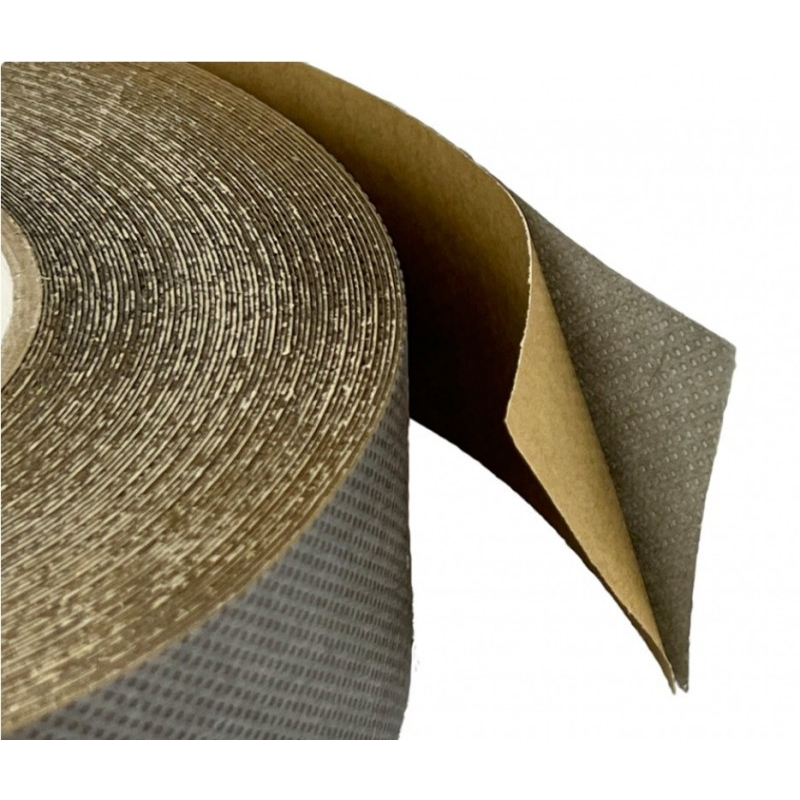
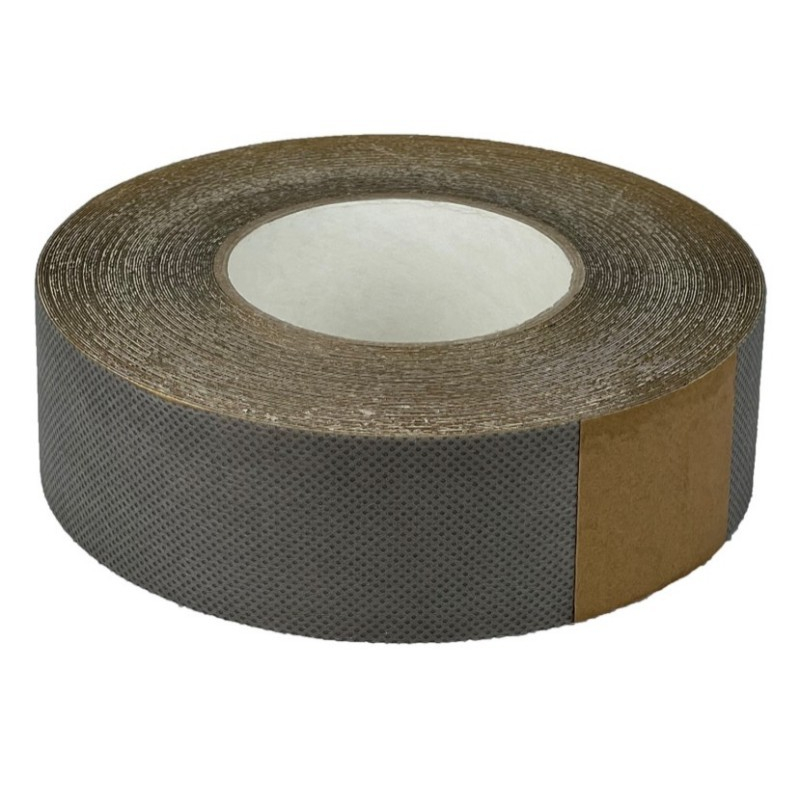
One sided tape is an adhesive product with bonding material on one face and a release liner, backing, or exposed carrier on the other. It joins, protects, seals, labels, cushions, or holds surfaces without requiring a second adhesive layer. Unlike double-sided products, one sided tape leaves the outer surface available for marking, handling, insulation, or protection. This makes one sided tape useful for both temporary tasks and long-term assembly work. Manufacturers can produce one sided tape with paper, film, cloth, foam, foil, or nonwoven backings. Each backing supports a different need, such as flexibility, tear resistance, clean removal, moisture protection, or electrical insulation. Acrylic, rubber, and hot-melt adhesive systems offer different levels of grip, temperature resistance, aging performance, and surface compatibility. As a result, one sided tape can support smooth metal, painted panels, plastic, glass, wood, cardboard, and many finished surfaces. Common formats include rolls, sheets, pre-cut pieces, narrow strips, and custom shapes. One sided tape can be supplied in multiple widths, thicknesses, colors, and lengths to suit hand application or automated equipment. Its main functions include bundling wires, closing cartons, masking surfaces, protecting edges, sealing joints, mounting labels, and making repairs. In production, one sided tape can reduce mess because it applies quickly and needs no drying time. In maintenance, one sided tape offers a convenient alternative to liquid glue, staples, and mechanical fasteners. Choosing the right grade depends on the surface, required holding strength, exposure conditions, removal needs, and application speed. Proper selection helps one sided tape deliver consistent results with less waste and rework.