vapour permeable membrane
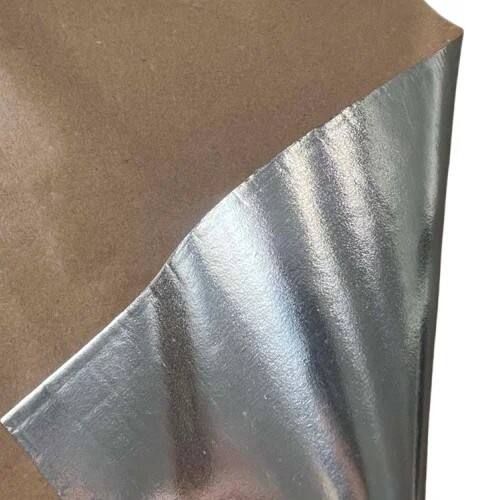
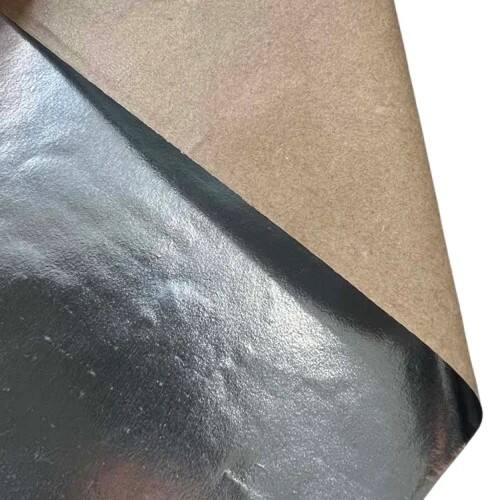
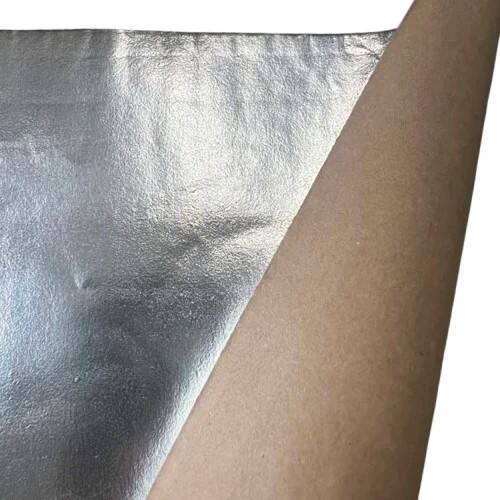
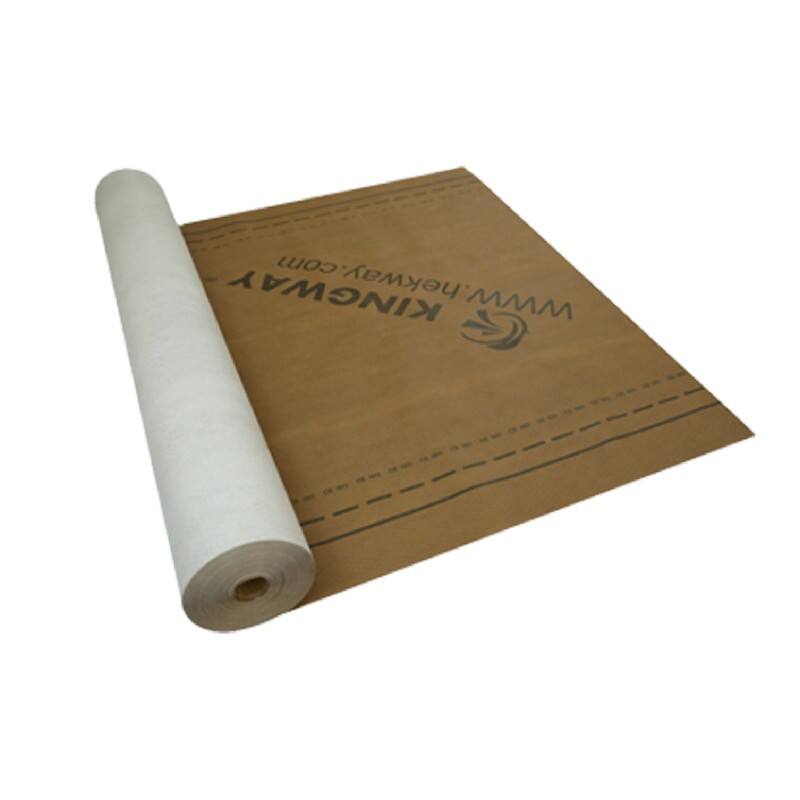
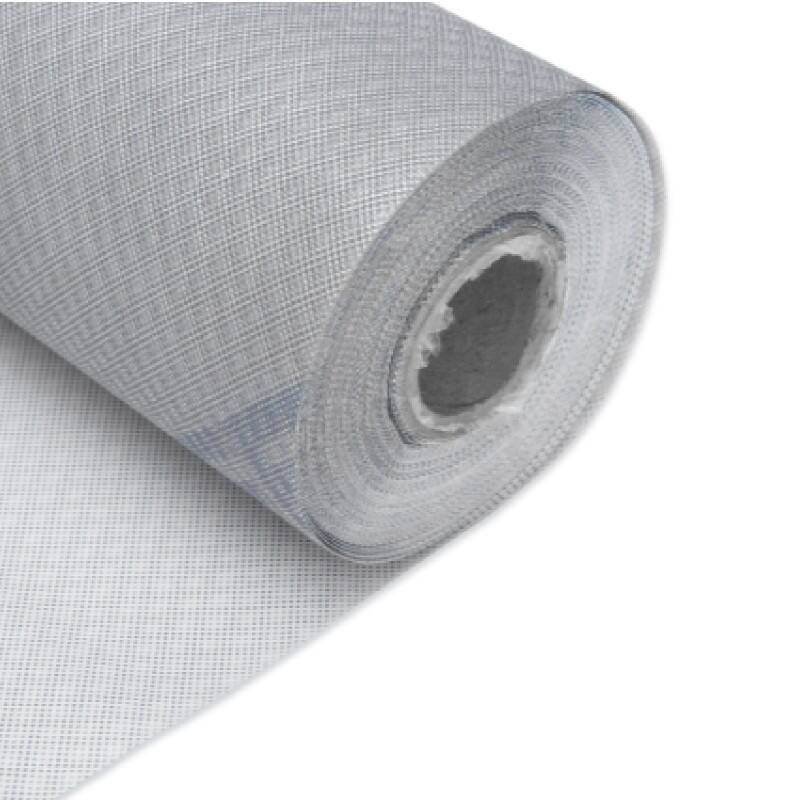
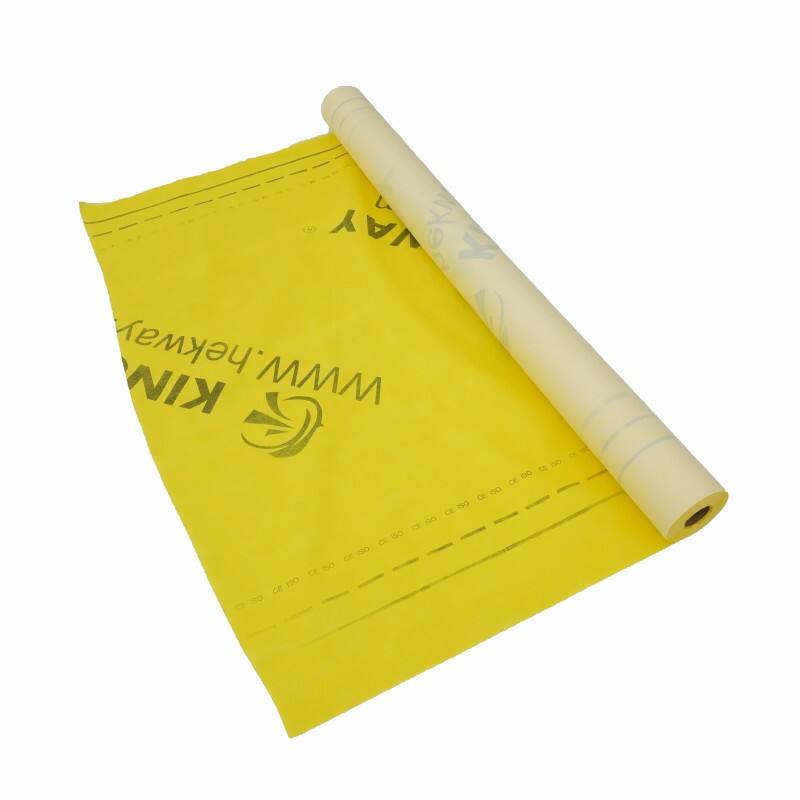
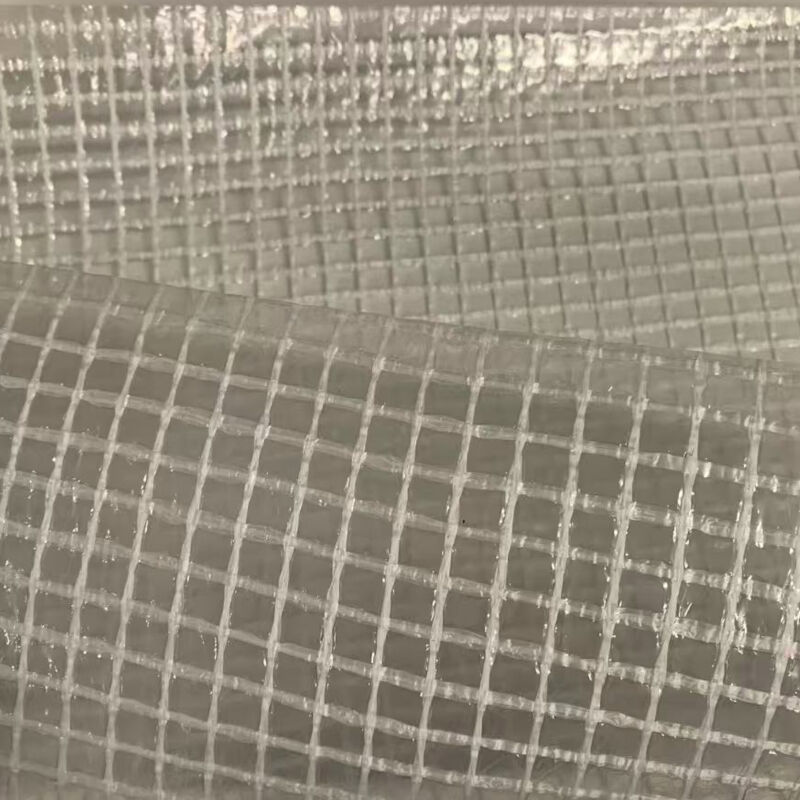
A vapour permeable membrane is an advanced building material designed to protect structures while allowing moisture vapour to escape from within the building envelope. This intelligent membrane creates a breathable barrier that prevents liquid water and wind from penetrating the structure, yet permits water vapour to pass through freely. The technology works by utilizing microscopic pores that are large enough to allow vapour molecules to escape but small enough to block liquid water droplets and air infiltration. Modern construction demands materials that balance protection with breathability, and the vapour permeable membrane delivers precisely this combination. Its main functions include weather protection, condensation control, and thermal efficiency enhancement. The membrane is typically installed beneath external cladding or roofing materials as part of the weather-resistant barrier system. Technological features include high water resistance ratings, excellent breathability measured in grams per square metre per day, UV stability for temporary exposure during construction, and tear resistance for durability during installation. Applications span residential housing, commercial buildings, industrial facilities, and renovation projects. The vapour permeable membrane is essential for pitched roofs, timber frame walls, masonry walls with insulation, and ventilated facade systems. By managing moisture effectively, this membrane prevents structural damage, mould growth, and insulation degradation, ultimately extending building lifespan and maintaining indoor air quality. Its versatility and performance make the vapour permeable membrane an indispensable component in contemporary construction practices.