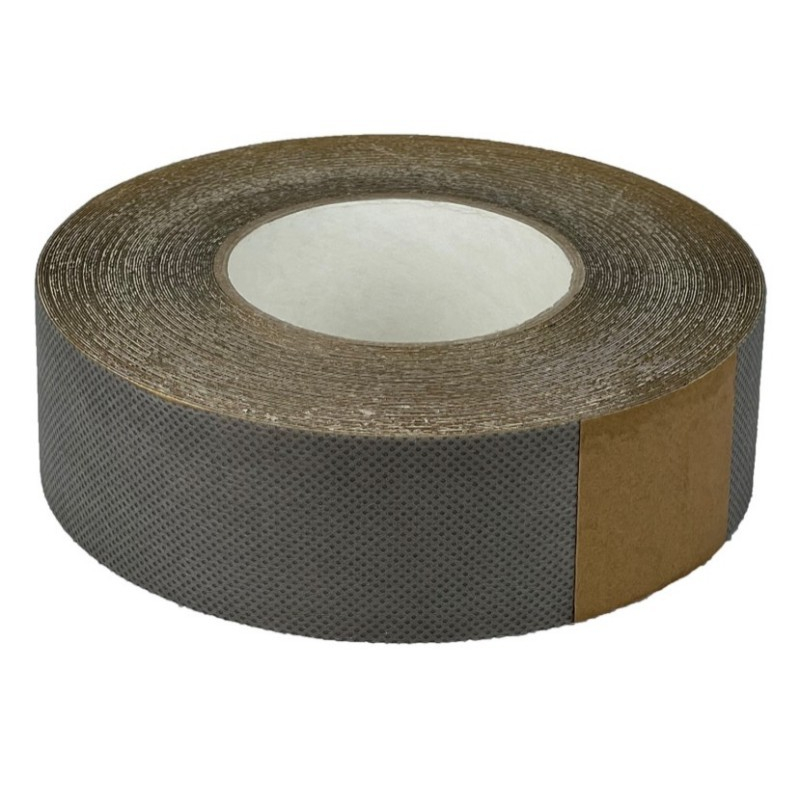
breathable membrane for timber frame
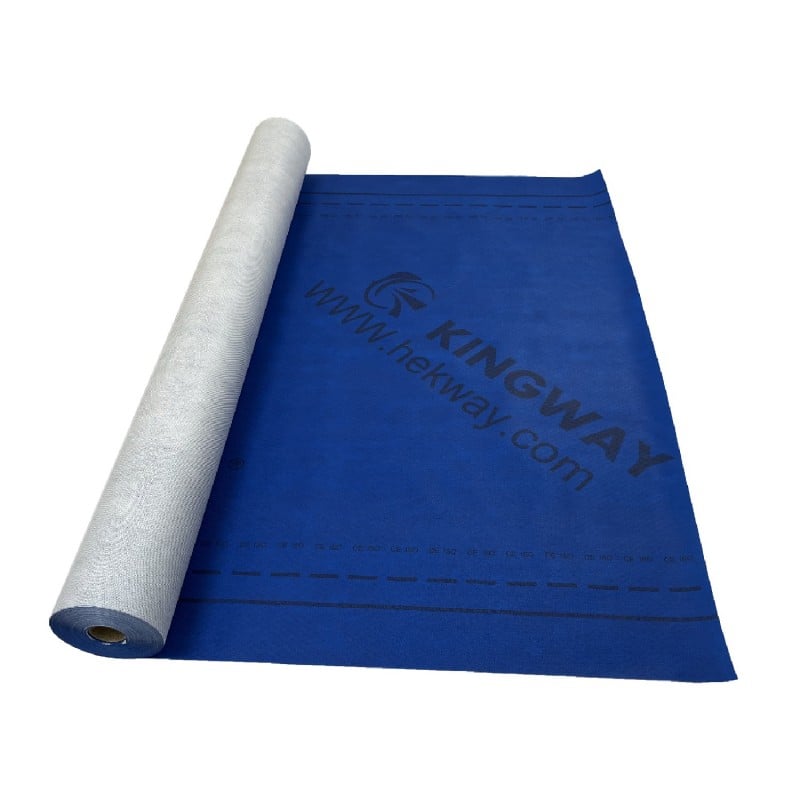
A breathable membrane for timber frame is a protective sheet fitted outside the structural timber frame, usually beneath the external cladding. It helps keep rain, snow, and wind-driven moisture away from insulation and timber while allowing water vapour to escape. This balance supports a drier, healthier wall construction. A breathable membrane for timber frame also limits draughts, improves weather resistance, and helps maintain the performance of insulation over time. The breathable membrane for timber frame normally uses a multi-layer structure made from strong synthetic fibres and a water-resistant functional film. The breathable membrane for timber frame may include a reinforced grid, tear-resistant backing, and printed overlap guides that help installers position each sheet accurately. Used externally, the breathable membrane for timber frame protects the building during construction and throughout its service life. A breathable membrane for timber frame can be supplied in rolls, making it practical for walls, gables, roof edges, and complex timber sections. Its lightweight design allows one person to handle many rolls on site. For installers, the breathable membrane for timber frame should offer clear markings, stable dimensions, and easy cutting around windows, doors, and service openings. The breathable membrane for timber frame works with timber studs, sheathing boards, insulation, battens, and many cladding systems. When correctly lapped and sealed, this breathable membrane for timber frame forms a continuous secondary weather barrier. This breathable membrane for timber frame is suitable for new housing, extensions, modular buildings, cabins, and commercial timber structures. Choosing a breathable membrane for timber frame with suitable strength, vapour performance, and exposure resistance gives designers and builders dependable protection without adding unnecessary complexity.