Breathable Building Membrane Solutions Guide

breathable building membrane

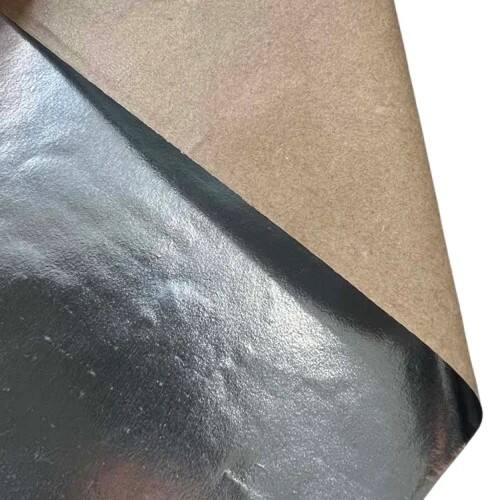
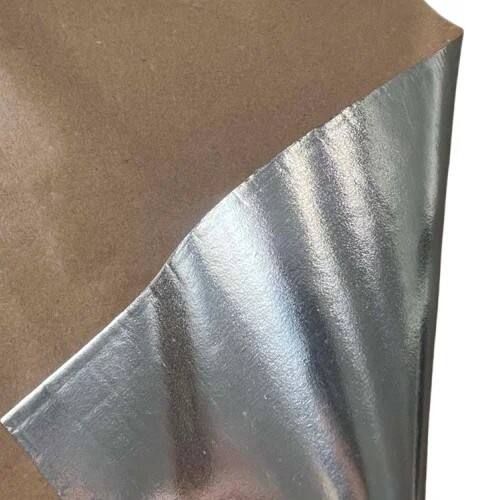
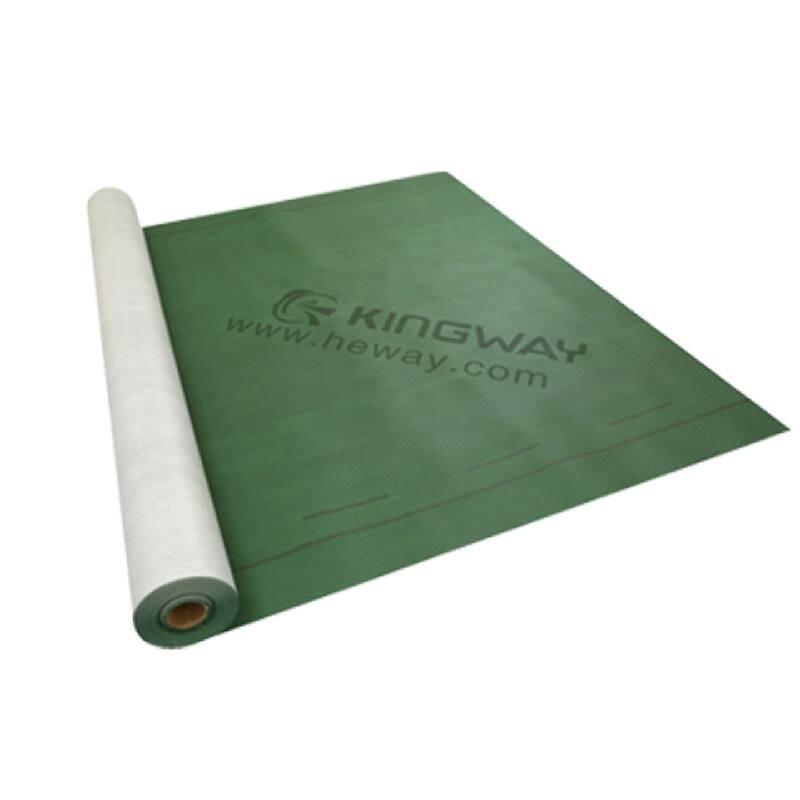
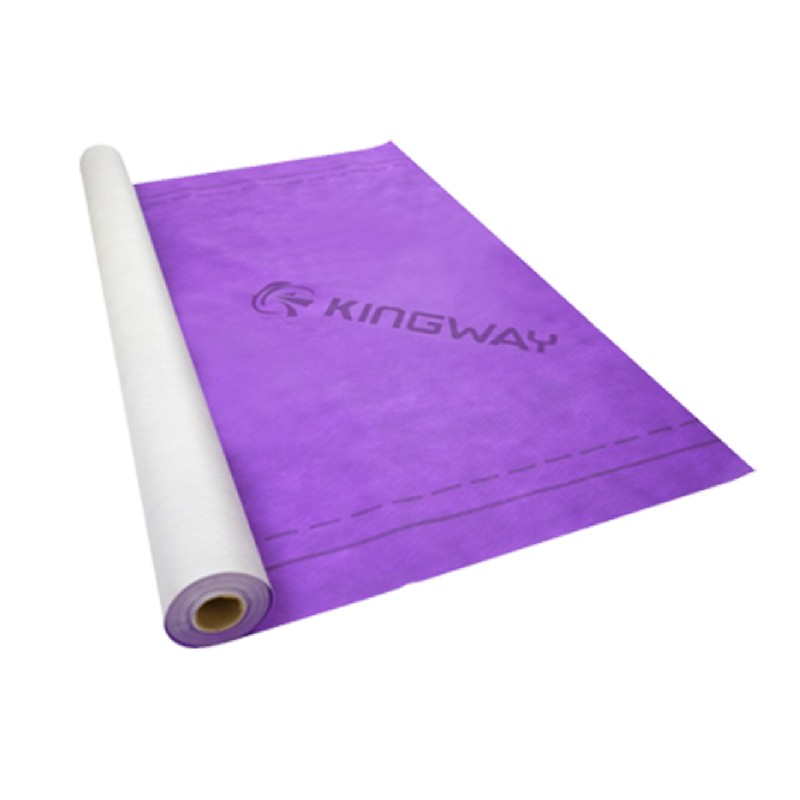
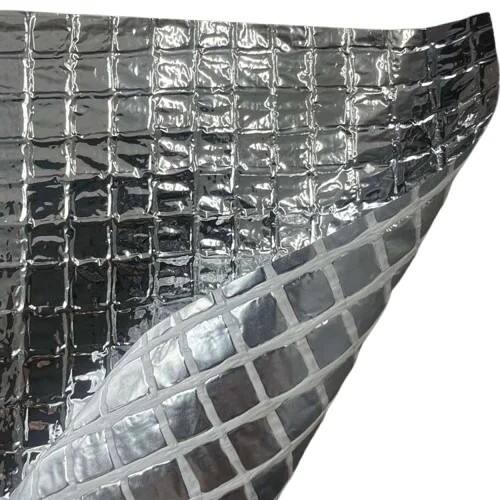
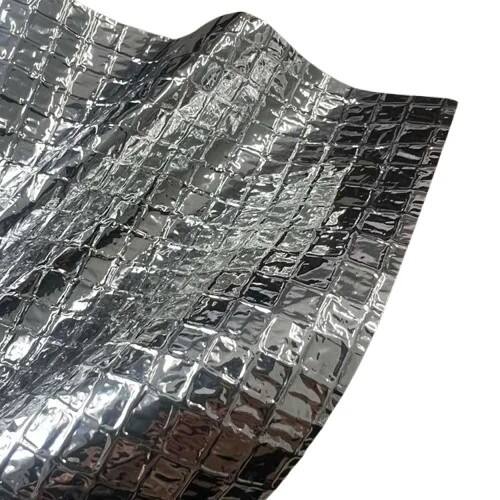
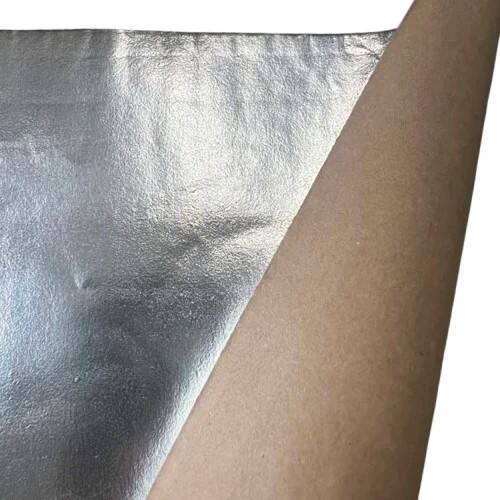
A breathable building membrane is an advanced protective layer designed to enhance the performance and longevity of modern construction projects. This specialized material allows water vapor to escape from within the building structure while simultaneously preventing external moisture, wind, and dust from penetrating inward. The breathable building membrane serves as a critical component in the building envelope, positioned beneath exterior cladding or roofing materials to create a weather-resistant barrier that maintains optimal indoor air quality and structural integrity. The primary functions include moisture management, thermal regulation, and protection against external elements. Technologically, the breathable building membrane features a microporous structure with carefully engineered pore sizes that permit vapor molecules to pass through while blocking larger water droplets. This intelligent design ensures that condensation and trapped moisture can escape, preventing mold growth, wood rot, and structural deterioration. Modern breathable building membrane products incorporate multi-layer constructions with reinforced cores for enhanced tear resistance and durability. Applications span residential, commercial, and industrial construction projects, including pitched roofs, wall systems, timber frame buildings, and renovation works. The breathable building membrane proves essential in cold climates where temperature differentials create condensation risks, as well as in humid environments where moisture control determines building performance. Installation beneath tiles, slates, metal roofing, or siding systems makes the breathable building membrane a versatile solution for comprehensive building protection and energy efficiency optimization.
New Product Recommendations

Choosing a breathable building membrane delivers substantial cost savings and performance benefits that directly impact your building's lifespan and occupant comfort. The primary advantage lies in superior moisture management, which prevents costly water damage repairs and extends the service life of insulation materials and structural components by decades. Unlike non-breathable alternatives, this membrane eliminates condensation buildup that causes mold, mildew, and rot, protecting your investment and maintaining healthy indoor environments. Energy efficiency improvements represent another significant benefit, as the breathable building membrane works with insulation systems to maintain consistent thermal performance. By allowing moisture to escape rather than saturating insulation, you preserve the material's insulating properties and reduce heating and cooling costs throughout the building's lifetime. Installation proves straightforward and cost-effective, requiring standard tools and techniques that reduce labor expenses compared to complex waterproofing systems. The breathable building membrane adapts to various construction methods and building types, from new constructions to renovation projects, offering flexibility that simplifies project planning and execution. Durability stands as a crucial operational benefit, with quality membranes resisting UV exposure, temperature fluctuations, and physical stress during and after installation. This resilience means fewer callbacks, reduced maintenance requirements, and long-term performance that meets or exceeds building code requirements. For architects, contractors, and property owners, the breathable building membrane provides verifiable performance data and certifications that ensure compliance with moisture control standards. The membrane's lightweight nature reduces structural loading while its tear-resistant properties withstand challenging installation conditions. Return on investment becomes evident through reduced energy bills, eliminated moisture-related repairs, and enhanced property values, making the breathable building membrane a practical choice for quality-focused construction projects.

Latest News

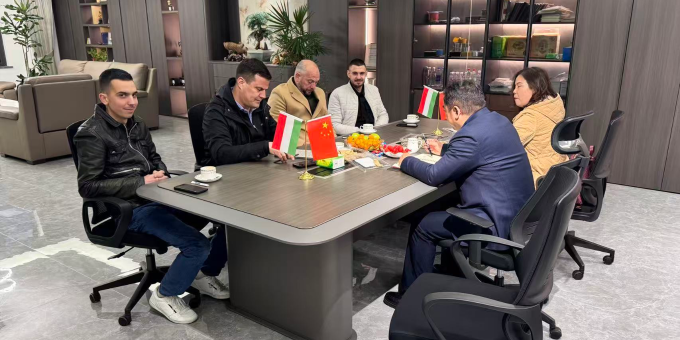
Hosting Important Clients from Europe.

08

Jan

Hosting Important Clients from Europe.

View More
A Heartwarming Moment for The New Members of Kingway

04

Jan

A Heartwarming Moment for The New Members of Kingway

View More
From Renting Factory Space to Becoming An Industry Benchmark: Kingway's Sixteen-year Journey of Excellence.

04

Jan

From Renting Factory Space to Becoming An Industry Benchmark: Kingway's Sixteen-year Journey of Excellence.

View More

Get a Free Quote

Our representative will contact you soon.
Email
Name
Company Name
Message
0/1000

breathable building membrane

Advanced Vapor Permeability Technology

Advanced Vapor Permeability Technology

The breathable building membrane incorporates cutting-edge vapor permeability technology that fundamentally transforms how buildings manage moisture. This sophisticated feature allows water vapor molecules to pass through the membrane's microporous structure at controlled rates, measured in grams per square meter per 24 hours, ensuring optimal moisture balance within wall and roof assemblies. The engineering behind this technology involves precisely calibrated pore sizes that permit gaseous water vapor to escape while completely blocking liquid water penetration, even under severe weather conditions including driving rain and snow. This selective permeability prevents the moisture accumulation that leads to insulation degradation, structural timber decay, and costly mold remediation. Property owners benefit from sustained thermal performance as insulation materials remain dry and effective, while building occupants enjoy healthier indoor air quality free from mold spores and musty odors. The breathable building membrane's vapor permeability directly correlates with building longevity, as moisture-related deterioration represents one of the primary causes of premature building failure. Testing standards confirm performance consistency across temperature ranges and humidity levels, providing confidence that the membrane performs reliably in diverse climates and seasonal conditions throughout the building's expected service life.
Superior Weather Protection and Durability

Superior Weather Protection and Durability

Weather protection capabilities distinguish quality breathable building membrane products from conventional building wraps and create lasting value for construction projects. The membrane functions as a secondary weather barrier that shields the building structure from wind-driven rain, snow infiltration, and airborne moisture while maintaining breathability for internal vapor release. Multi-layer construction typically incorporates a reinforced central layer that provides exceptional tear resistance during installation and long-term durability against environmental stresses. UV stabilization additives protect the membrane during extended exposure periods before final cladding installation, eliminating degradation that compromises inferior products. The breathable building membrane withstands temperature extremes from intense summer heat to freezing winter conditions without losing flexibility or developing cracks that create leak pathways. This durability translates directly into reduced maintenance costs and eliminated callbacks for moisture infiltration issues. Wind uplift resistance ensures the membrane remains securely positioned even in high-wind regions, while water column pressure ratings demonstrate the material's ability to resist water penetration under the most challenging weather events. For building professionals, these performance characteristics mean confident specification knowing the breathable building membrane will protect structures throughout decades of service, maintaining building envelope integrity and preserving property values.
Versatile Application for Multiple Building Types

Versatile Application for Multiple Building Types

The breathable building membrane demonstrates remarkable versatility across diverse construction applications, making it the preferred choice for architects and contractors working on varied project types. Residential applications include pitched roof installations beneath tiles or slates, wall assemblies behind siding materials, and timber frame constructions where moisture control proves critical. Commercial buildings benefit from the breathable building membrane in curtain wall backup systems, metal panel installations, and large-scale roofing projects where building science principles demand vapor-permeable weather barriers. Renovation projects particularly value this versatility, as the membrane adapts to existing structural conditions and integrates with various cladding replacement scenarios without requiring extensive substrate modifications. The material's compatibility with different insulation types, including fiberglass, mineral wool, spray foam, and rigid board products, simplifies system design and ensures cohesive building envelope performance. Installation methods accommodate both vertical and horizontal orientations with appropriate overlap and sealing techniques that create continuous protective layers. The breathable building membrane suits cold climate applications where interior vapor drive dominates, as well as mixed climates requiring bidirectional moisture management. This adaptability reduces inventory complexity for distributors and contractors while providing consistent performance across project specifications, ultimately streamlining procurement and installation processes that save time and reduce costs.

Get a Free Quote

Our representative will contact you soon.
Email
Name
Company Name
Message
0/1000