Roof Underlay Breather Membrane Guide 2026

roof underlay breather membrane

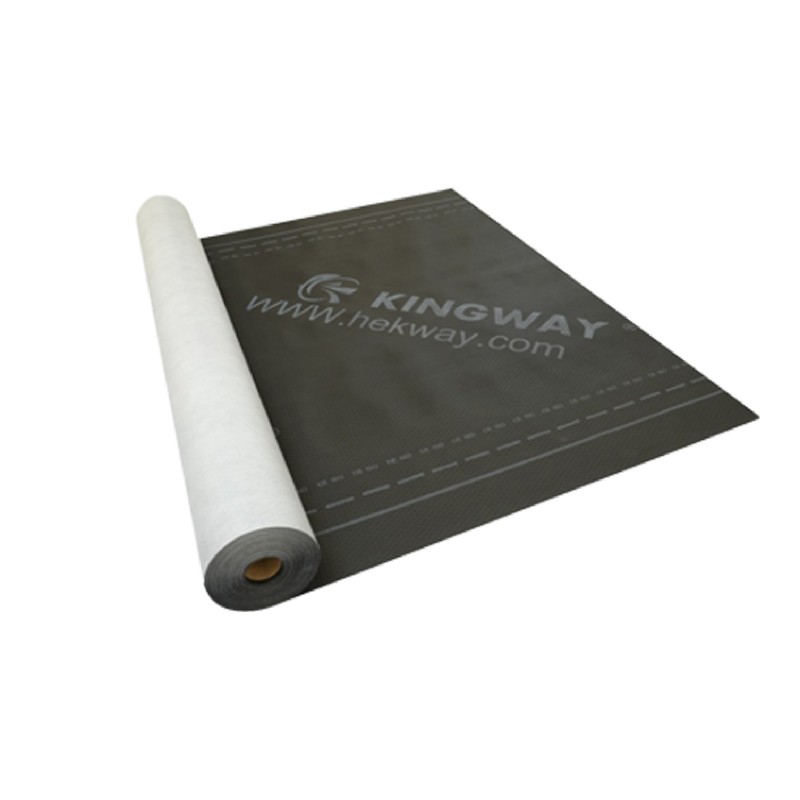
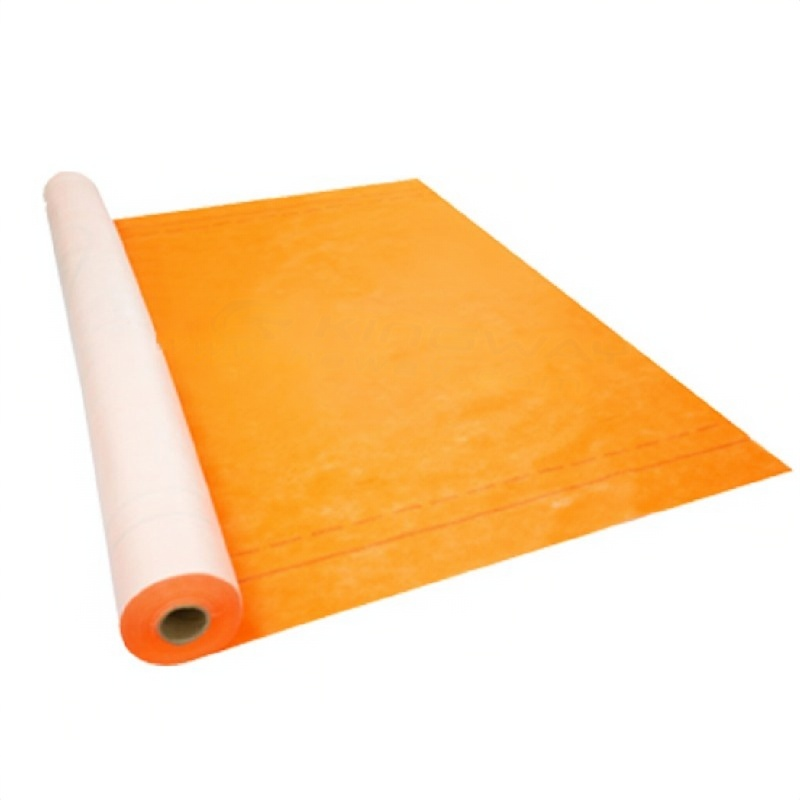
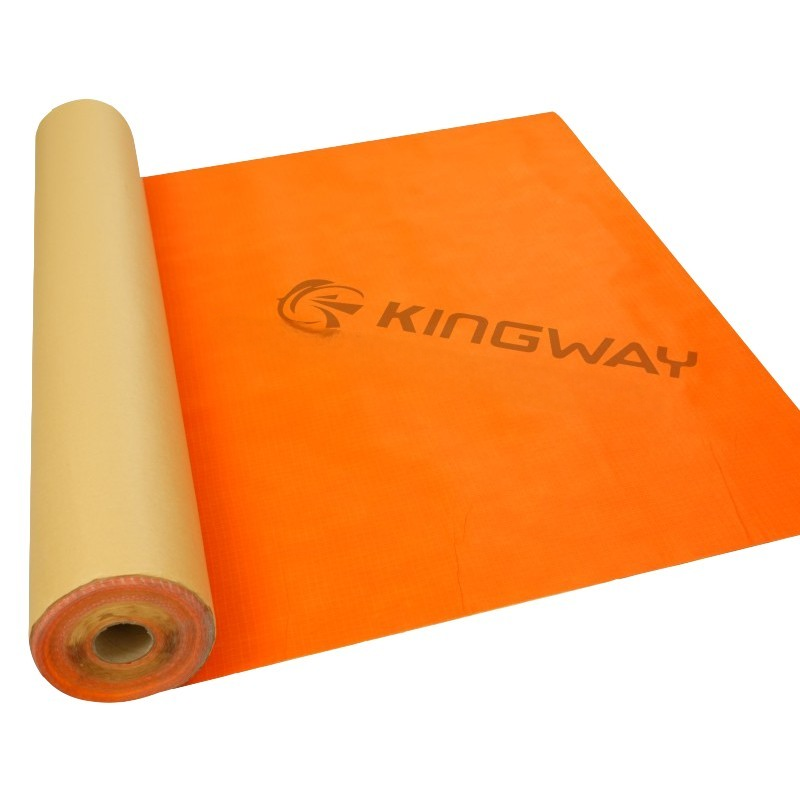
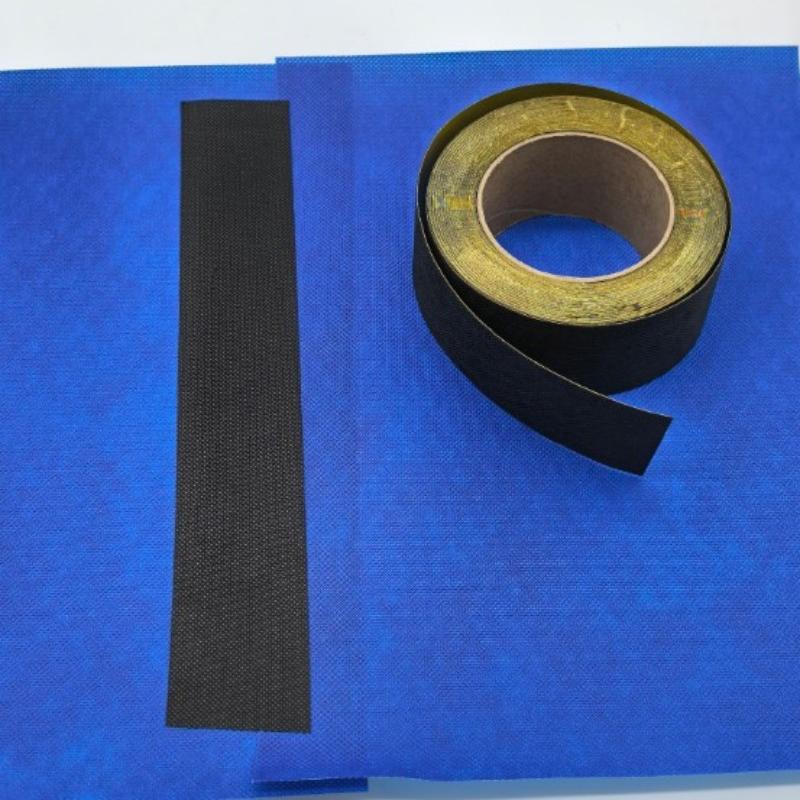
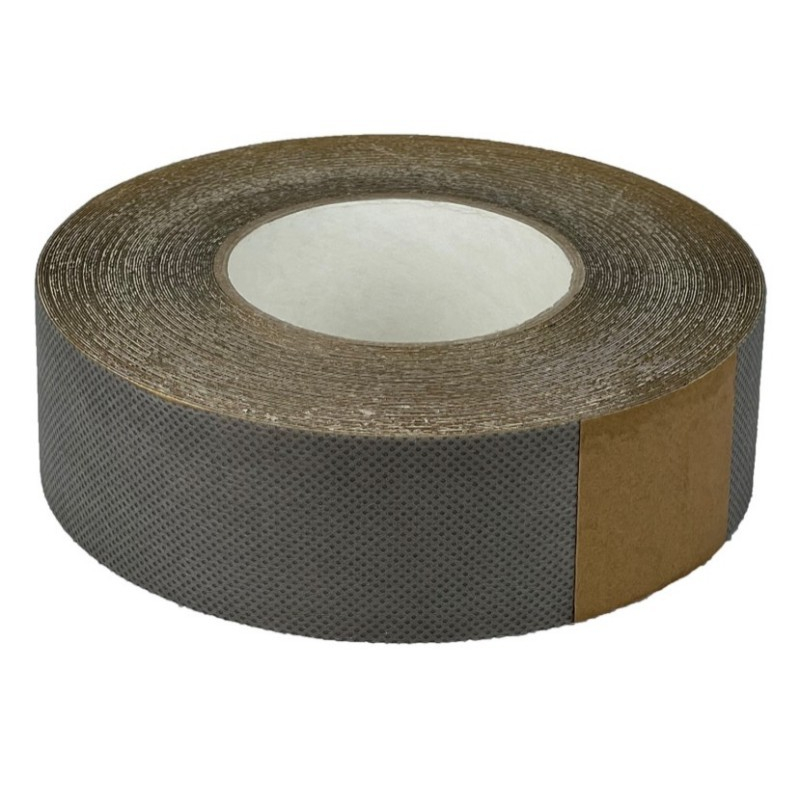
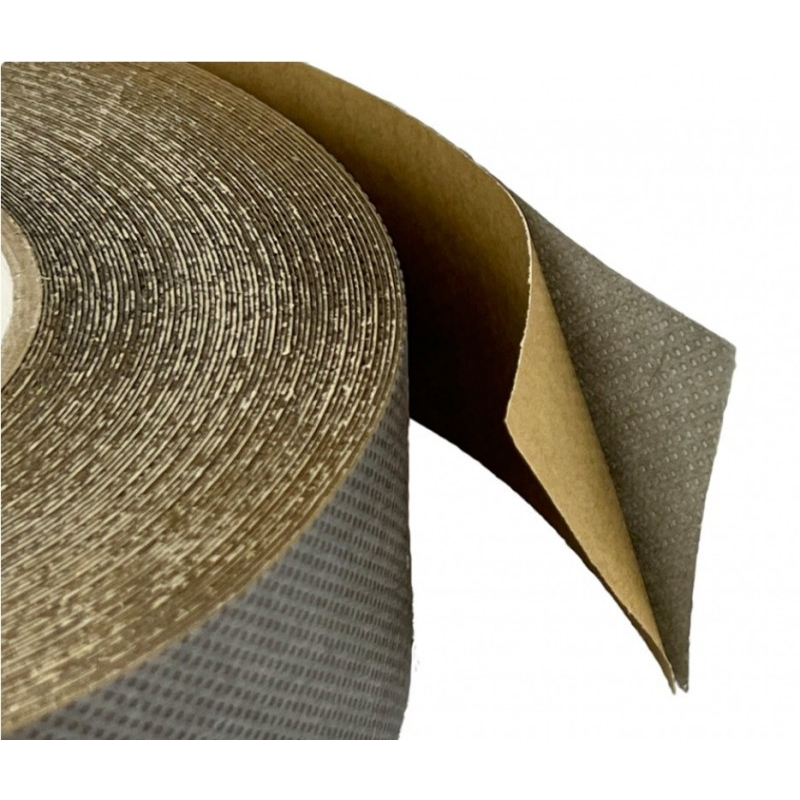
A roof underlay breather membrane is a flexible protective layer installed beneath roof coverings such as tiles, slates, or metal sheets. It forms a secondary barrier against wind-driven rain, snow, dust, and insects while allowing water vapour from inside the building to escape. This balance helps keep the roof structure dry without trapping harmful condensation. The roof underlay breather membrane sits over rafters or roof boards and below the external covering, creating a continuous line of defence across the roof. A roof underlay breather membrane can support both new construction and refurbishment work, depending on the roof design, ventilation plan, and installation method. The material usually combines a strong woven or non-woven base with a waterproof functional layer. Many products include reinforced edges, printed lap guides, nail lines, and clear installation markings. These features help installers position sheets accurately and create reliable overlaps. The roof underlay breather membrane also protects insulation during construction, reducing exposure to short-term weather before the final covering is fitted. A suitable roof underlay breather membrane may be laid over timber rafters, sarking boards, or other approved substrates. Product specifications can include high tensile strength, tear resistance, water resistance, vapour permeability, and controlled air leakage. The roof underlay breather membrane must match the roof pitch, covering type, fixing method, and local building requirements. Correct laps, sealed penetrations, and suitable tapes remain essential for performance. When installed properly, this roof underlay breather membrane provides practical moisture management throughout the life of the roof. For buyers, the roof underlay breather membrane is a dependable component that improves roof resilience without adding unnecessary complexity.

New Products

The main advantage of a roof underlay breather membrane is dependable protection beneath the visible roof covering. It helps block rain and wind from reaching rafters, insulation, and internal finishes, which can reduce damp-related repairs. A roof underlay breather membrane also lets internal vapour pass outward, helping limit condensation in the roof space when the assembly is designed correctly. This makes the roof underlay breather membrane useful for homes, extensions, commercial buildings, and many timber-framed projects. It gives installers a clear secondary weather barrier, so the roof can remain better protected if small gaps appear in tiles or slates. The roof underlay breather membrane can also protect materials during the build, particularly when weather delays the final covering. Strong grades resist tearing during handling, walking, cutting, and mechanical fixing. A roof underlay breather membrane with printed lap lines and fixing guides can shorten installation time and reduce measuring errors. Lightweight rolls are easier to move around scaffolding and roof spaces, while flexible sheets can follow regular roof shapes with less waste. The roof underlay breather membrane may reduce the need for separate ventilation openings in some approved roof systems, although the project design must always confirm this. Buyers should check water resistance, vapour performance, strength, roll size, fire information, and compatibility with membranes, tapes, insulation, and roof coverings. Choosing the roof underlay breather membrane as part of a complete system helps avoid site delays caused by incompatible accessories. The roof underlay breather membrane can also support a cleaner finish by limiting dust and draught movement through the roof build-up. For contractors, the roof underlay breather membrane offers predictable handling and a repeatable fitting process. For property owners, it adds long-term protection that may help preserve insulation value and reduce maintenance risk. The roof underlay breather membrane is therefore a practical investment when product selection and installation follow the manufacturer’s guidance.

Tips And Tricks

Which house wrap brand offers the best balance of strength and price?

29

Jul

Which house wrap brand offers the best balance of strength and price?

Selecting the right house wrap is one of the most consequential decisions a builder or contractor makes during the construction envelope phase. The house wrap you choose affects moisture management, structural longevity, energy efficiency, and overal...
View More
What are the primary energy-saving advantages of a premium house wrap?

15

Jul

What are the primary energy-saving advantages of a premium house wrap?

A high-quality house wrap is one of the most cost-effective investments a builder or property owner can make when it comes to long-term energy efficiency. Installed beneath exterior cladding, a house wrap acts as a protective barrier that manages air...
View More
What are the structural advantages of our high-adhesion single sided tape?

10

Aug

What are the structural advantages of our high-adhesion single sided tape?

High-adhesion single sided tape represents a critical advancement in industrial bonding solutions, particularly for applications requiring durable connections between breathable membranes and vapor barriers. Unlike conventional adhesive tapes, high-a...
View More
Can a durable membrana hidrofuga improve residential energy efficiency?

08

Sep

Can a durable membrana hidrofuga improve residential energy efficiency?

A durable membrana hidrofuga is more than just a moisture barrier—it is a critical component in modern residential construction that directly influences energy efficiency, indoor comfort, and long-term structural integrity. As homeowners and builders...
View More

Get a Free Quote

Our representative will contact you soon.
Email
Name
Company Name
Message
0/1000

roof underlay breather membrane

Reliable Weather Protection

Reliable Weather Protection

A roof underlay breather membrane adds a vital second layer beneath tiles, slates, or sheets. It helps stop wind-driven rain, melting snow, and airborne dirt from reaching the roof frame. This roof underlay breather membrane is especially valuable when a covering develops a minor defect or when weather changes during construction. The material guides unwanted water toward the eaves, provided installers create correct laps and drainage paths. A roof underlay breather membrane also shields insulation and timber from short-term exposure before the outside covering is complete. For the buyer, this means greater confidence in the roof build-up and less chance of moisture damage hidden above the ceiling. The roof underlay breather membrane supports new roofs, extensions, loft conversions, and renovation projects. Its protective role does not replace quality tiles or careful workmanship, but it gives the assembly useful backup. Choosing a roof underlay breather membrane with suitable water resistance and strength can provide dependable performance across changing seasonal conditions.
Breathable Moisture Control

Breathable Moisture Control

A roof underlay breather membrane is designed to manage vapour as well as liquid water. It helps moisture generated inside a building move toward the outside, reducing the chance of condensation collecting around rafters or insulation. The roof underlay breather membrane can therefore contribute to a drier, healthier roof space when the complete construction uses compatible materials. This roof underlay breather membrane does not simply seal the roof; it combines weather resistance with controlled vapour movement. That function can help protect timber, maintain insulation performance, and reduce conditions that encourage mould or decay. A roof underlay breather membrane is suitable for many pitched roof systems, but buyers should confirm the required vapour resistance and ventilation arrangement before ordering. The roof underlay breather membrane works best when penetrations, joints, and eaves details receive proper attention. Its breathable design gives architects, contractors, and homeowners more flexibility when planning energy-efficient roof assemblies. Selecting the roof underlay breather membrane as part of a tested system supports reliable moisture management rather than relying on one product alone.
Efficient Installation and Handling

Efficient Installation and Handling

A roof underlay breather membrane can make roofing work more efficient because modern rolls are light, flexible, and easy to cut. Clear lap markings help installers create consistent overlaps, while printed fixing lines can support accurate nail placement. This roof underlay breather membrane is easier to carry across a roof than heavy rigid boards, helping reduce handling effort and site congestion. A roof underlay breather membrane with good tear resistance can withstand normal movement during fitting without frequent patching. The material can also adapt to standard roof shapes, which may reduce off-cuts and improve coverage per roll. For contractors, the roof underlay breather membrane supports a repeatable workflow and can help new team members follow installation guidance. For buyers, easier fitting may reduce labour time and the risk of avoidable errors. The roof underlay breather membrane should still be installed with approved tapes, fixings, and detailing accessories. When the roof underlay breather membrane is selected to match the project, it combines practical handling with dependable protection and a tidy finished build-up.

Get a Free Quote

Our representative will contact you soon.
Email
Name
Company Name
Message
0/1000