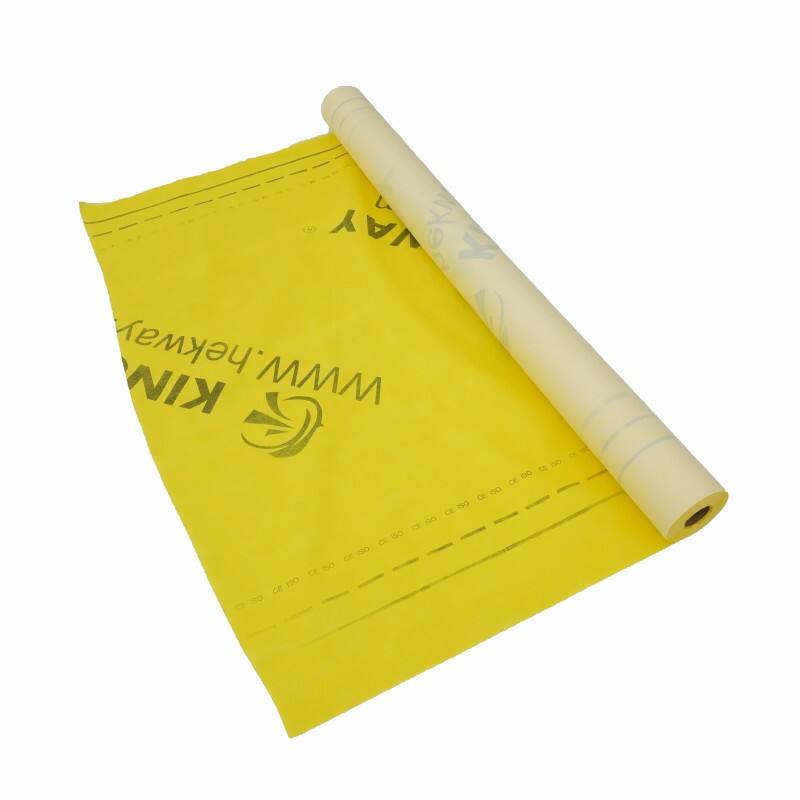
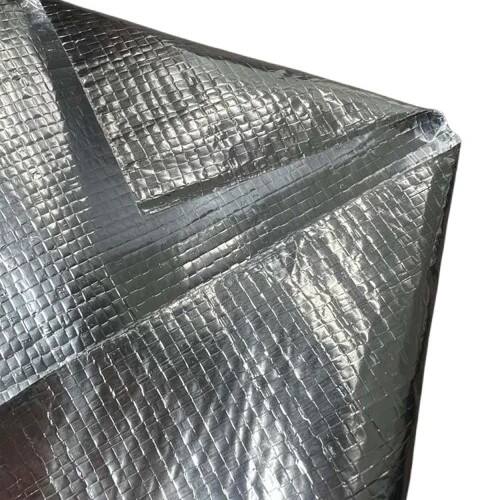
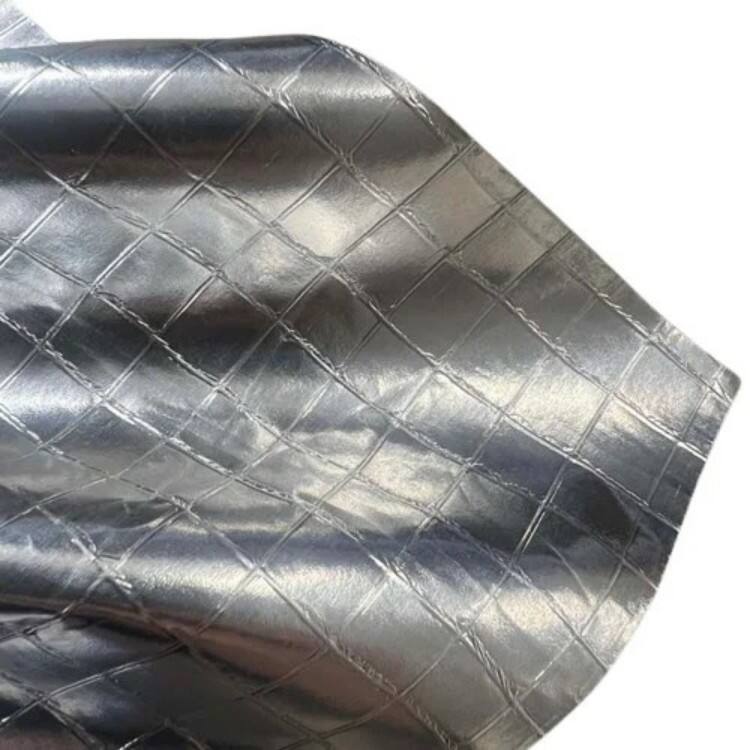
breathable membrane
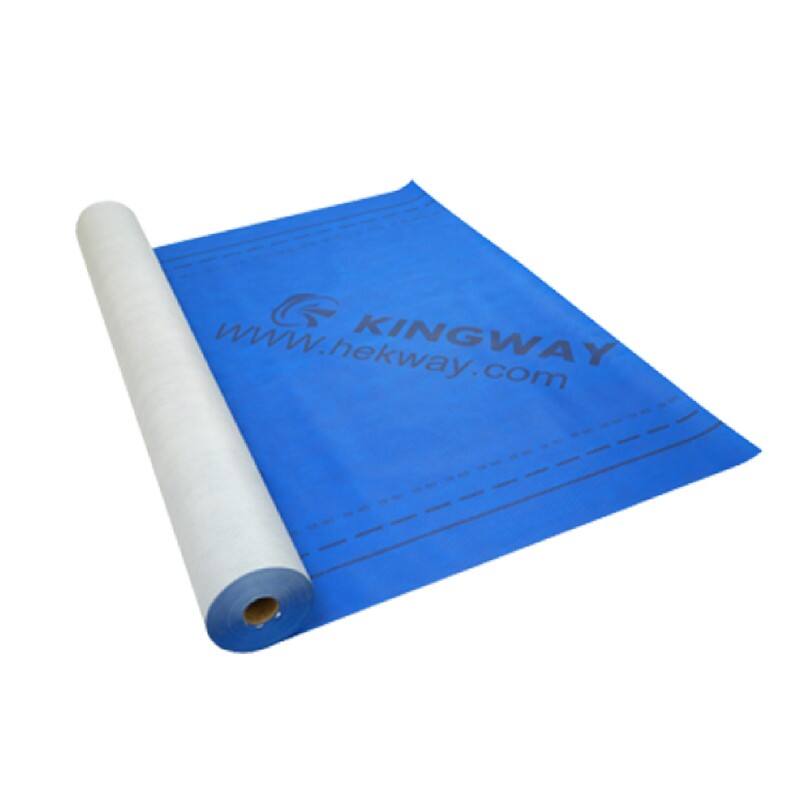
A breathable membrane is an advanced building material designed to regulate moisture and air flow while protecting structures from water ingress. This specialized membrane allows water vapor to escape from within a building while preventing liquid water from penetrating through, creating a balanced environment that enhances structural longevity and occupant comfort. The breathable membrane achieves this dual functionality through its microporous structure, featuring millions of tiny pores that are large enough to permit vapor molecules to pass through but small enough to block water droplets. Modern breathable membranes are typically manufactured from synthetic polymers or treated fabrics that offer superior durability and consistent performance across varying climate conditions. These membranes serve as critical components in roofing systems, wall assemblies, and façade constructions, where they function as secondary weather barriers beneath external cladding or roofing materials. The breathable membrane technology has revolutionized construction practices by addressing condensation issues that previously led to mold growth, timber decay, and insulation degradation. By facilitating vapor diffusion, these membranes maintain optimal humidity levels within building cavities, preventing moisture accumulation that compromises structural integrity. Applications span residential housing, commercial buildings, industrial facilities, and specialty structures requiring precise environmental control. The breathable membrane integrates seamlessly with various construction methods, supporting both traditional and contemporary building designs while meeting stringent building codes and energy efficiency standards.