breathable membrane for external walls
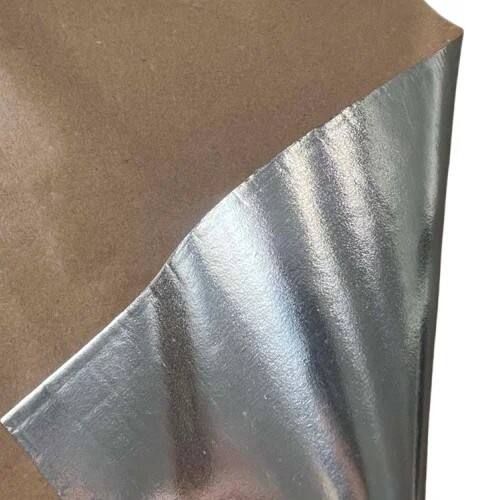
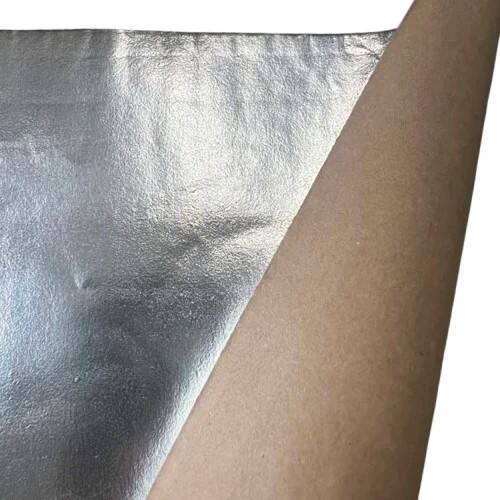
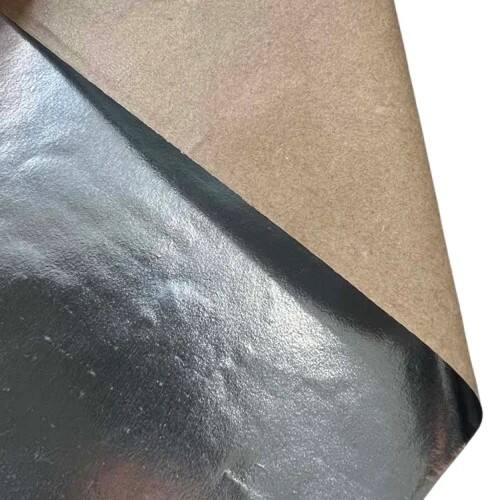
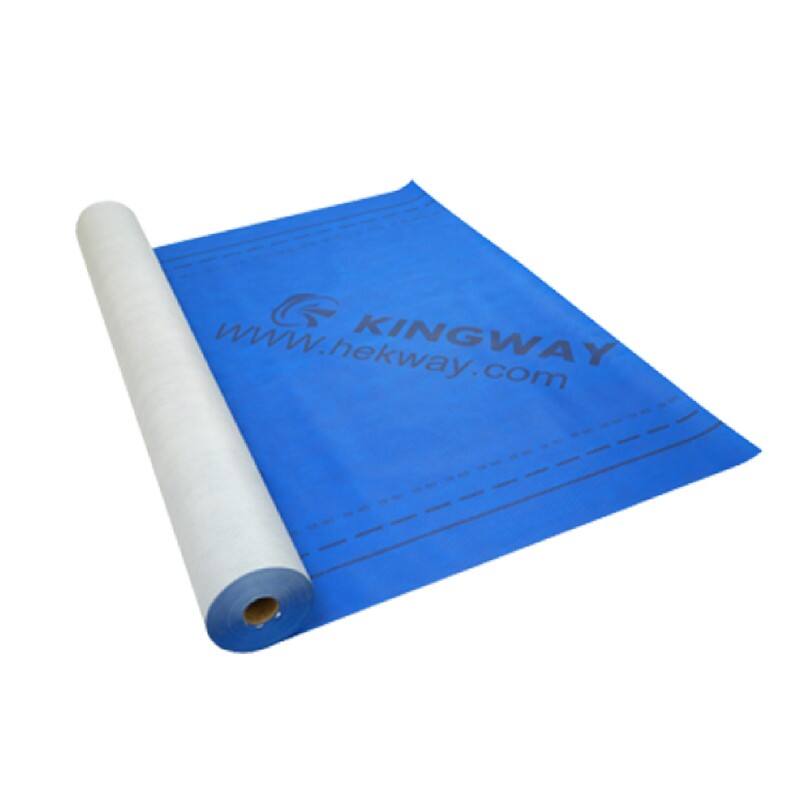
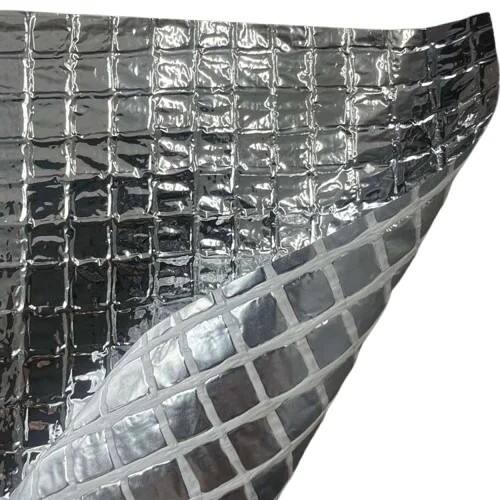
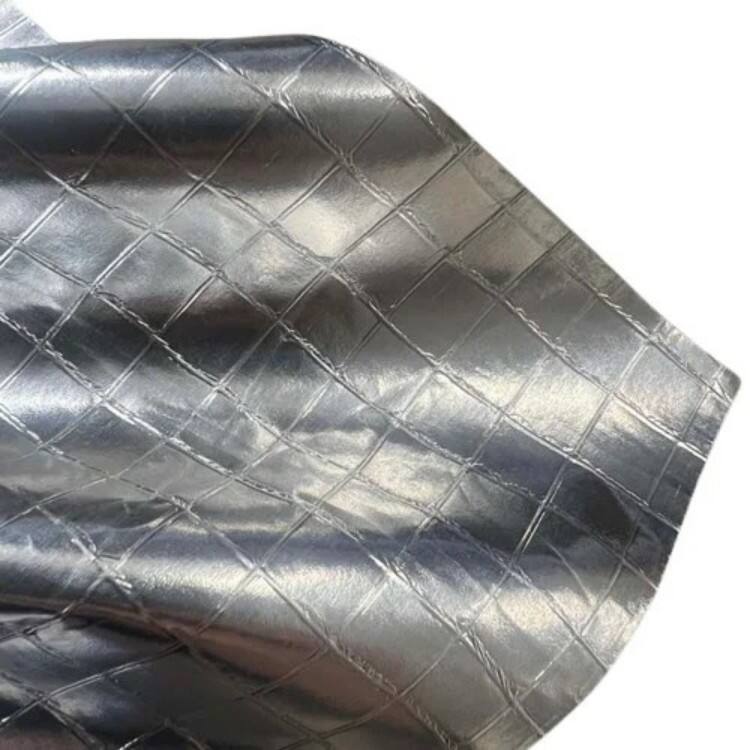
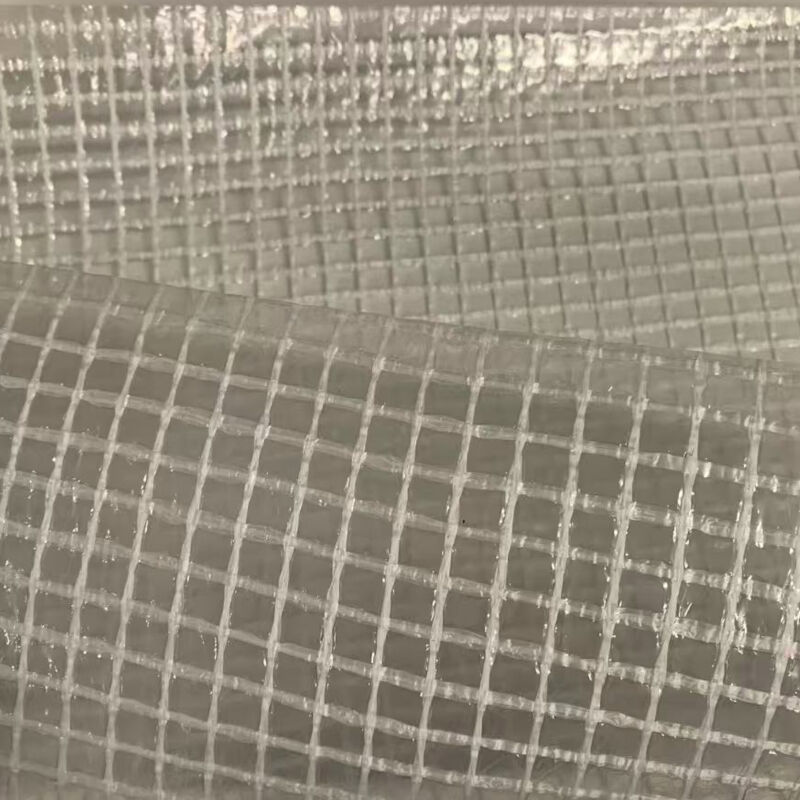
A breathable membrane for external walls is an advanced weather protection layer designed to safeguard building structures while maintaining optimal moisture management. This specialized construction material acts as a protective barrier against wind, rain, and external moisture penetration, yet simultaneously allows water vapor from inside the building to escape freely. The breathable membrane for external walls is typically installed between the external cladding and the insulation layer, creating a critical defense system that preserves structural integrity and enhances energy efficiency. Its main functions include preventing water ingress that could damage insulation and structural components, reducing condensation risks within wall cavities, and improving overall thermal performance. Technologically, these membranes feature microporous structures or monolithic films that enable selective permeability, blocking liquid water molecules while permitting smaller vapor molecules to pass through. Modern breathable membrane for external walls products incorporate high-tensile strength materials, UV resistance, and tear-resistant properties to ensure long-term durability. Applications span residential housing, commercial buildings, renovations, and new construction projects across various climate zones. Whether used in timber frame construction, masonry walls, or render systems, the breathable membrane for external walls provides essential protection that extends building lifespan and maintains healthy indoor environments by preventing moisture-related issues such as mold growth, timber decay, and insulation degradation.