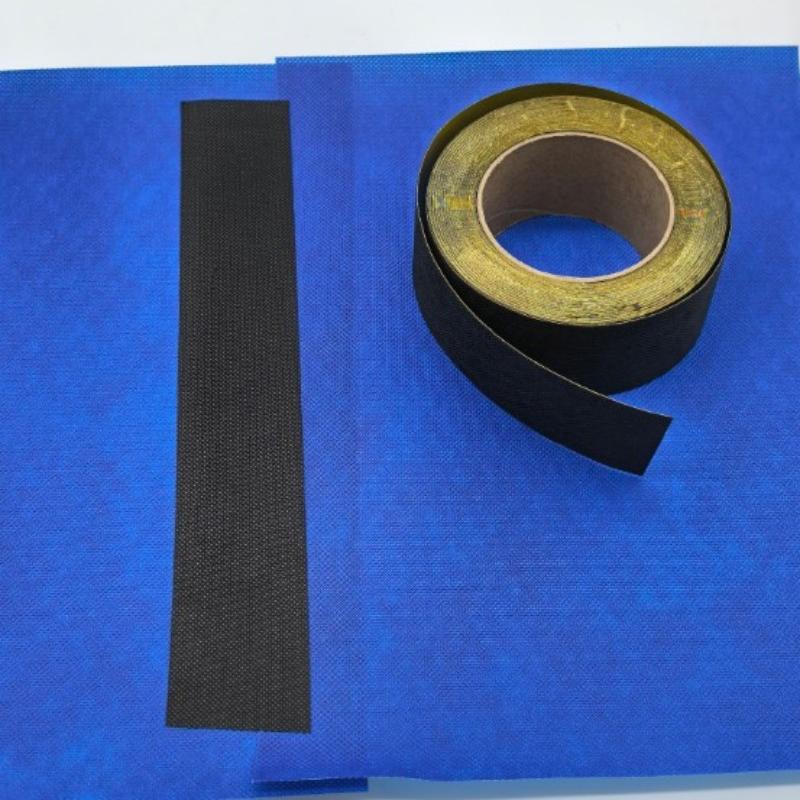
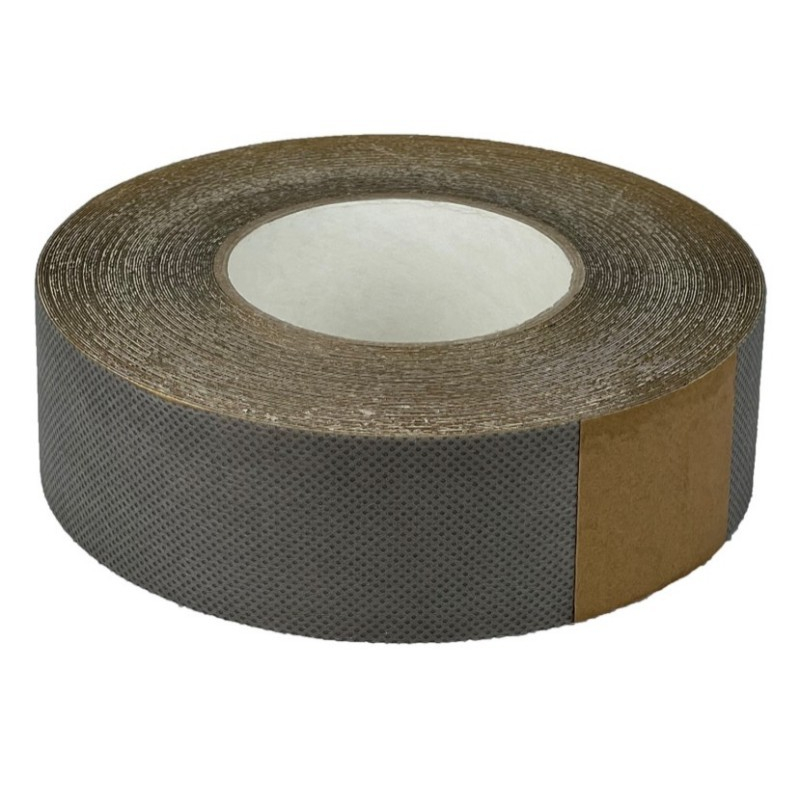
waterproof and breathable membrane
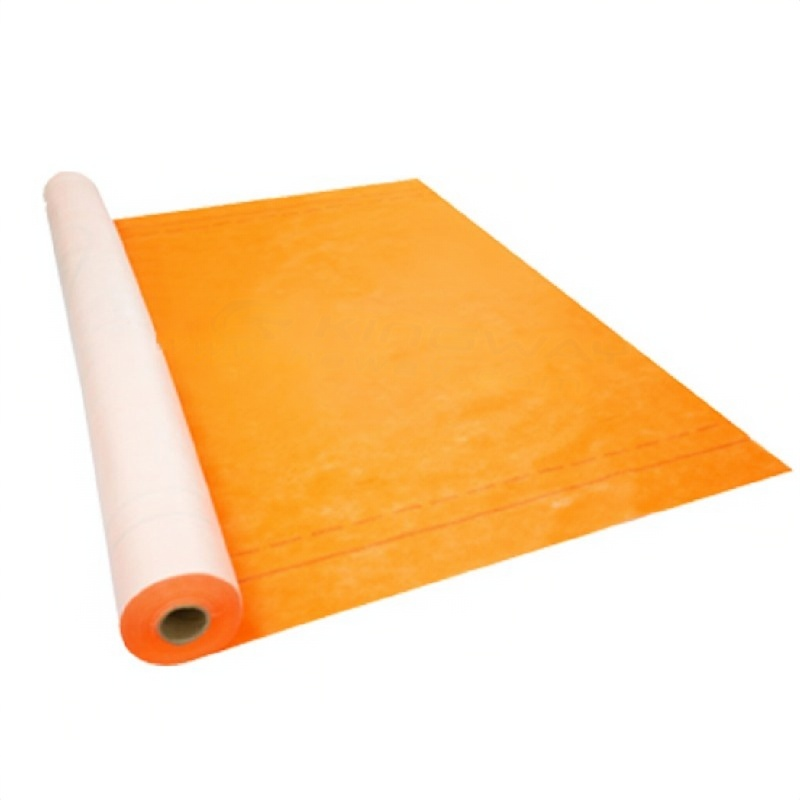
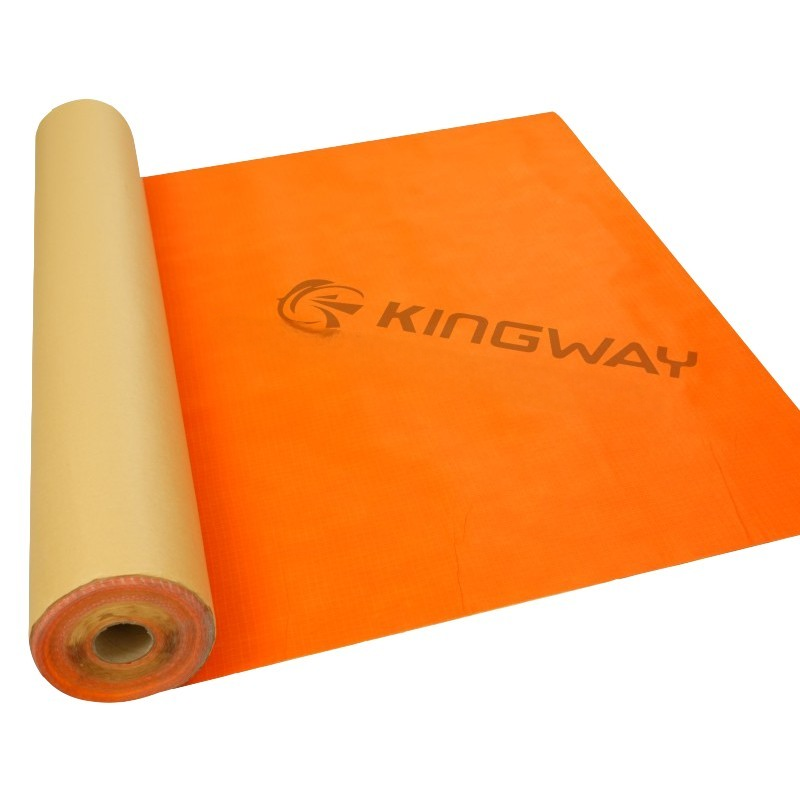
A waterproof and breathable membrane is a thin protective layer that blocks liquid water while allowing water vapor to escape. This balance helps keep buildings, clothing, footwear, and outdoor equipment dry without trapping excessive heat or moisture. A waterproof and breathable membrane usually combines a strong backing, a microporous film, or a specially designed solid layer. Tiny pores or vapor-moving materials stop rain and wind-driven water from entering, while body heat or indoor humidity can move outward. The waterproof and breathable membrane therefore supports comfort, durability, and moisture control in demanding conditions. In construction, the waterproof and breathable membrane sits beneath roofing, siding, or cladding. It helps protect insulation, wall structures, and interior finishes from rain while reducing condensation risk. In apparel, the waterproof and breathable membrane forms part of a jacket, trouser, glove, or footwear system. It works with outer fabric, insulation, seams, and lining to create dependable weather protection. Performance depends on water resistance, vapor transmission, seam sealing, tensile strength, flexibility, and surface treatment. A high-quality waterproof and breathable membrane should remain effective after bending, washing, temperature changes, and extended exposure. Buyers can select a waterproof and breathable membrane by checking pressure resistance, moisture transfer rate, thickness, weight, operating temperature, and compatibility with adhesives or fabrics. Some versions suit lightweight garments, while others support roofs, facades, industrial covers, and protective workwear. Overall, the waterproof and breathable membrane provides a practical way to manage rain, wind, vapor, and comfort in one engineered solution.