Breather Membrane for Walls | Dry, Durable Builds

breather membrane for walls

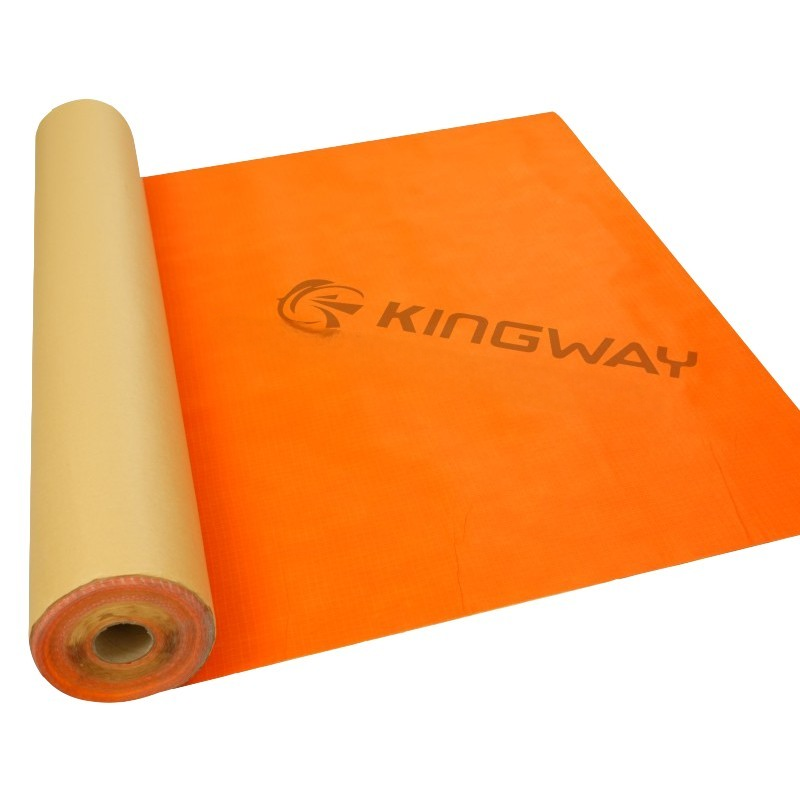
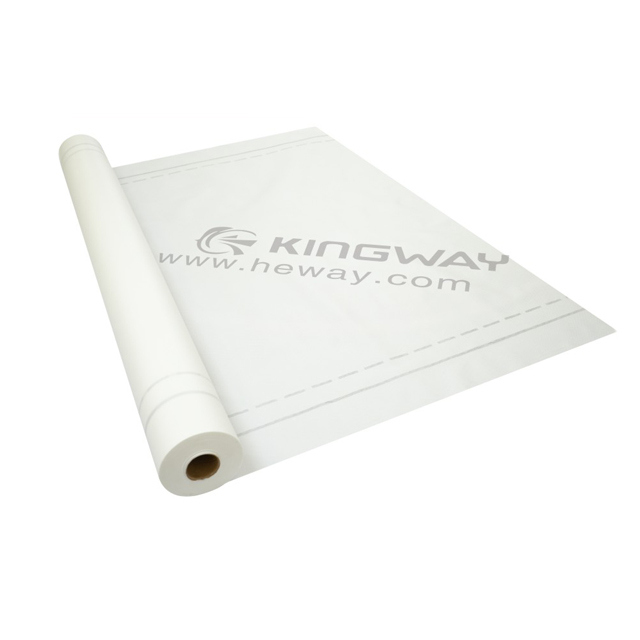
A breather membrane for walls is a water-resistant, vapour-permeable sheet installed behind external cladding, brick slips, render systems, or rainscreen panels. The breather membrane for walls helps stop wind-driven rain from reaching insulation and timber while allowing moisture vapour inside the building to escape. This balance supports a drier, healthier wall structure. In a typical build-up, the breather membrane for walls sits outside the sheathing or insulation and beneath the ventilated cavity and outer finish. Correct positioning protects the wall without trapping condensation. The breather membrane for walls also reduces air movement through joints, improving the effectiveness of insulation and helping the building meet energy targets. Modern products use engineered films, spunbond layers, or multilayer laminates that combine strength with controlled vapour flow. Many versions resist tearing, punctures, and exposure during construction. Some include printed overlap guides, integral tapes, or coloured surfaces that make fitting faster and reduce mistakes. A suitable breather membrane for walls can serve timber-frame homes, steel-frame buildings, masonry extensions, modular units, and refurbished properties. The breather membrane for walls should match the wall design, external finish, exposure level, and local regulations. For timber construction, choose a product that manages moisture while protecting the frame. For ventilated facades, select a membrane with suitable wind and water resistance. The breather membrane for walls can also improve long-term durability by limiting damp-related decay, corrosion, and insulation failure. Buyers should check permeability, water resistance, fire classification, UV exposure limits, fixing guidance, and compatibility with tapes and sealants. When specified and installed correctly, the breather membrane for walls forms a dependable protective layer that supports efficient, durable construction.

Popular Products

Choosing a breather membrane for walls gives buyers practical protection rather than a purely technical component. The breather membrane for walls helps keep insulation dry, so the insulation can continue performing close to its designed level. Drier insulation supports steadier indoor temperatures and may reduce heating demand. The breather membrane for walls also limits rain entry behind cladding, helping protect studs, sheathing, fixings, and interior finishes from avoidable damage. This protection can reduce repair work and extend the service life of the wall. A further benefit is moisture management. The breather membrane for walls lets vapour move outward when the wall design allows it, reducing the chance of trapped moisture and condensation. That matters especially in timber-frame buildings, where persistent damp can encourage mould or wood decay. On site, a breather membrane for walls is usually light, flexible, and easy to cut. Rolls cover large areas quickly, while marked laps and integrated tape options can speed installation. Faster fitting can lower labour time and help projects stay on schedule. The breather membrane for walls can also improve airtightness when installers seal joints, corners, service penetrations, and openings according to the instructions. Better control of unwanted air movement supports comfort and reduces draughts. Application suitability is another buying advantage. The breather membrane for walls works with many cladding systems, including brick, timber, metal, fibre cement, and render, provided the complete wall build-up supports drainage and ventilation. It suits new construction, extensions, renovation work, and off-site manufacture. Buyers should compare roll size, tensile strength, tear resistance, vapour performance, fire rating, warranty, and exposure limits. A low-cost product may not offer the right protection for a tall, coastal, or highly exposed building. Selecting the breather membrane for walls as part of the complete system helps prevent compatibility problems. It also gives contractors clearer installation guidance and gives owners more confidence in lasting performance.

Practical Tips

Can a high-quality house wrap enhance your home comfort levels?

22

Jul

Can a high-quality house wrap enhance your home comfort levels?

Yes, a high-quality house wrap can significantly enhance your home comfort levels, and the evidence from both building science and real-world construction experience supports this clearly. A house wrap is a protective barrier installed between your e...
View More
What are the primary energy-saving advantages of a premium house wrap?

15

Jul

What are the primary energy-saving advantages of a premium house wrap?

A high-quality house wrap is one of the most cost-effective investments a builder or property owner can make when it comes to long-term energy efficiency. Installed beneath exterior cladding, a house wrap acts as a protective barrier that manages air...
View More
What are the unique advantages of a heavy-duty building tape?

01

Jul

What are the unique advantages of a heavy-duty building tape?

When construction professionals evaluate bonding and sealing materials for demanding projects, heavy-duty building tape consistently stands out as a reliable and versatile solution. Unlike standard adhesive tapes, heavy-duty building tape is engineer...
View More
Why do international contractors buy our certified membrana hidrofuga?

14

Sep

Why do international contractors buy our certified membrana hidrofuga?

International contractors consistently choose our membrana hidrofuga for one fundamental reason: proven performance under demanding conditions. When builders and developers work across multiple continents and climate zones, they need materials that d...
View More

Get a Free Quote

Our representative will contact you soon.
Email
Name
Company Name
Message
0/1000

breather membrane for walls

Reliable Rain Defence with Vapour Control

Reliable Rain Defence with Vapour Control

The main value of a breather membrane for walls is its ability to manage two different risks at once. The breather membrane for walls sheds external rain and splash while allowing internal vapour to move toward the outside. This helps the wall dry instead of holding moisture behind the finish. A breather membrane for walls is especially useful where insulation and timber framing need protection from changing weather. By reducing wetting, the breather membrane for walls helps limit staining, mould growth, wood decay, corrosion, and loss of insulation performance. Its water-resistant surface supports a dependable second line of defence beneath cladding or masonry. At the same time, its vapour performance helps the wall design deal with normal indoor humidity. This combination provides value beyond simple waterproofing. It protects hidden construction layers that can be expensive and disruptive to replace. Customers should still select a breather membrane for walls that suits the specified wall assembly, climate, and vapour strategy. Correct orientation, sealed laps, and clear drainage paths are essential for the expected result.
Tough, Efficient Installation

Tough, Efficient Installation

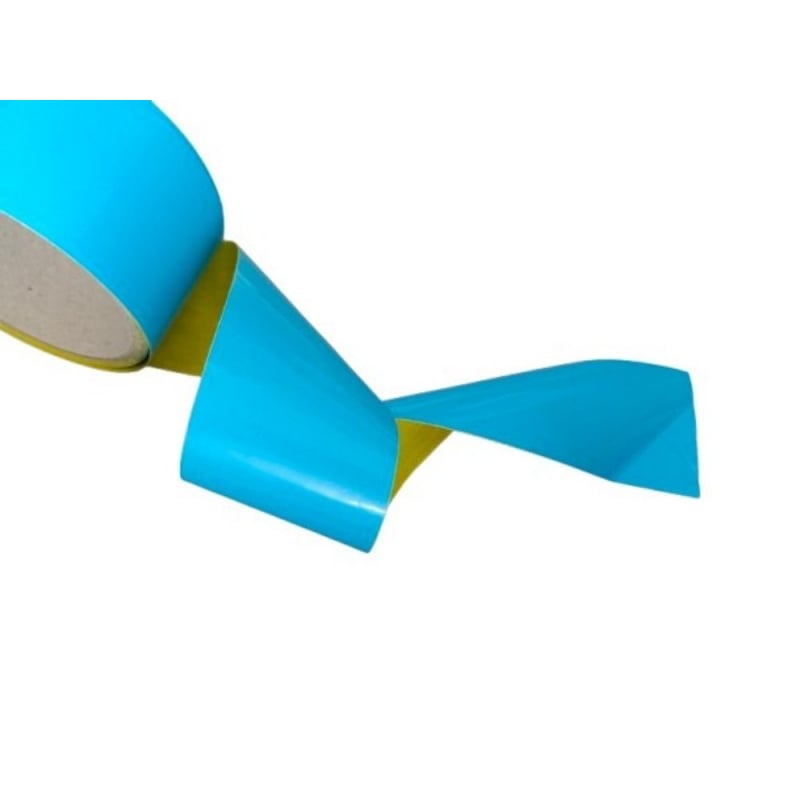
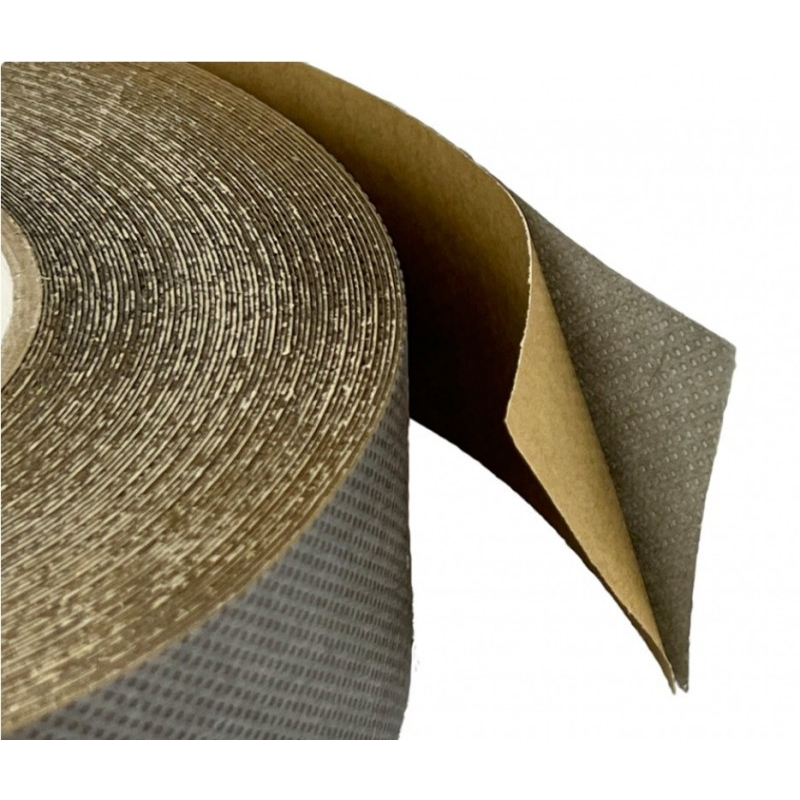
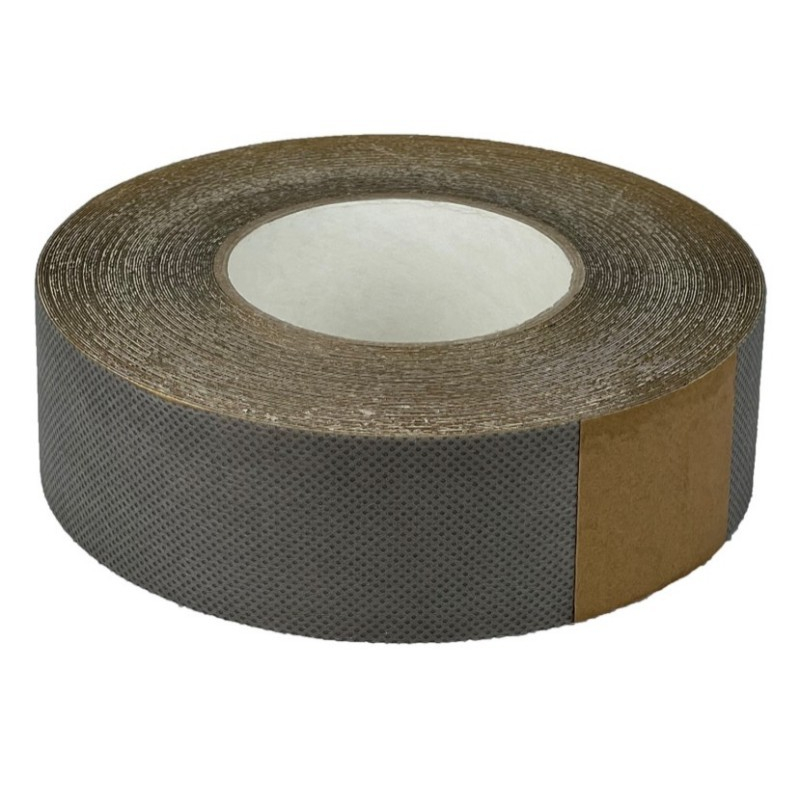
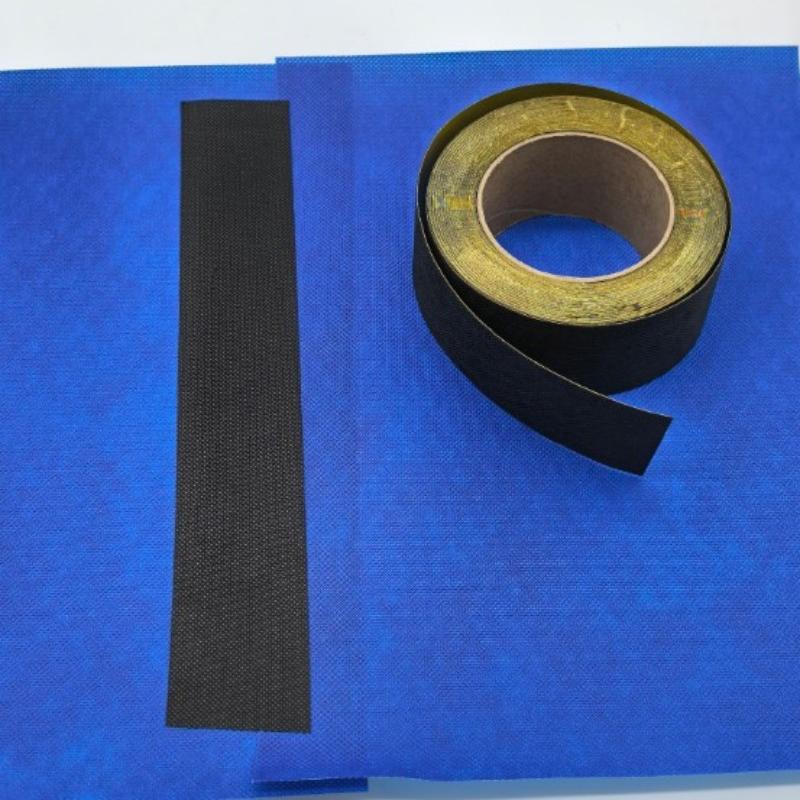
A well-designed breather membrane for walls can make site work faster and more reliable. The breather membrane for walls is supplied in lightweight rolls that installers can carry, position, cut, and secure with ordinary site tools. Strong reinforcement and tear-resistant layers help it withstand handling around corners, openings, fixings, and uneven sheathing. A breather membrane for walls with printed lap lines gives workers a clear guide for overlaps, reducing guesswork and improving consistency. Some products include adhesive strips or coordinate with compatible tapes, making it easier to close joints and maintain air and water control. The breather membrane for walls can therefore support shorter installation times and fewer avoidable defects. A clean, well-fitted layer also makes later cladding work more predictable. For contractors, this can mean less waste, fewer call-backs, and simpler quality checks. For owners, it means dependable protection is built into the project without adding unnecessary complexity. Before ordering, confirm roll dimensions, fixing methods, allowable exposure period, and the recommended accessories. These details help teams choose a breather membrane for walls that performs well from delivery through final enclosure.
Suitable for Many Wall Systems

Suitable for Many Wall Systems

The versatility of a breather membrane for walls makes it useful across a broad range of projects. The breather membrane for walls can support timber-frame houses, steel-frame structures, masonry refurbishment, modular buildings, extensions, and commercial facades. It can sit behind ventilated cladding, brick outer leaves, render carrier boards, timber boards, metal panels, or fibre cement finishes when the complete design allows suitable drainage and airflow. A breather membrane for walls also helps designers create a more consistent protection strategy across different elevations and construction methods. This flexibility can simplify purchasing and reduce the need to manage several unrelated products. The breather membrane for walls remains valuable during refurbishment because it can improve weather protection without requiring a complete change to the exterior appearance. For new-build projects, it works with modern insulation and airtightness strategies when the layers are assessed together. Buyers should review fire performance, UV tolerance, vapour resistance, water resistance, and compatibility with adjacent materials. A properly selected breather membrane for walls gives contractors a practical solution while helping owners protect the building envelope for the long term.

Get a Free Quote

Our representative will contact you soon.
Email
Name
Company Name
Message
0/1000