heat insulation materials
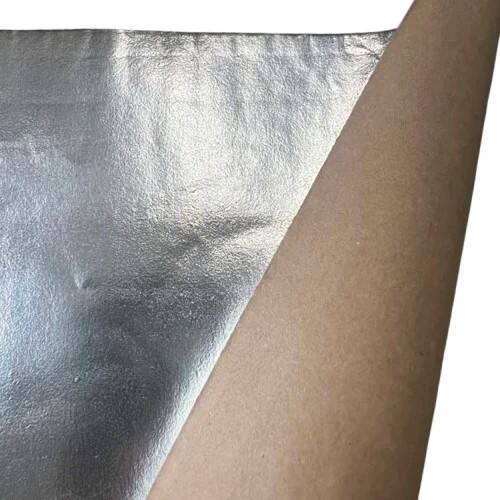
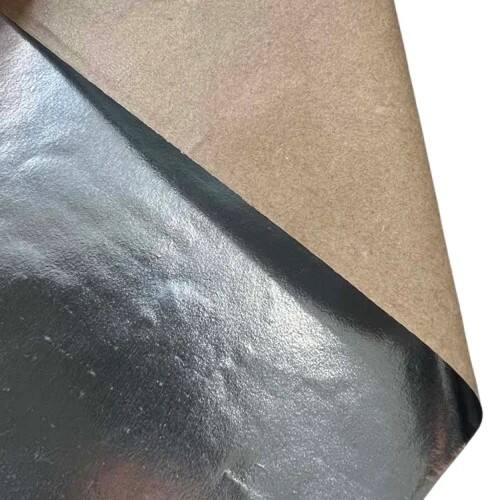
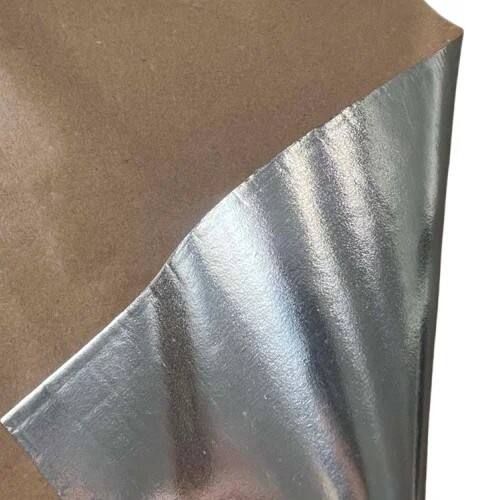
Heat insulation materials are specialized products designed to reduce heat transfer between spaces or objects, maintaining desired temperatures while minimizing energy consumption. These materials work by creating barriers that resist the flow of thermal energy through conduction, convection, and radiation. Modern heat insulation materials include fiberglass, mineral wool, foam boards, spray foam, cellulose, and reflective barriers, each offering distinct thermal resistance properties. The primary function of heat insulation materials is to maintain comfortable indoor environments by preventing heat loss during cold weather and blocking heat gain during warm seasons. Beyond temperature control, these materials contribute significantly to energy efficiency, reducing heating and cooling costs while lowering carbon footprints. Heat insulation materials also provide acoustic dampening, fire resistance, and moisture control depending on their composition and application method. Industries ranging from residential construction to commercial buildings, industrial facilities, and transportation sectors rely on heat insulation materials for optimal thermal management. The technological features of modern heat insulation materials include varying R-values measuring thermal resistance, different density grades for specific applications, and compatibility with diverse installation methods. Applications extend from walls, roofs, and floors in buildings to pipework insulation, HVAC systems, and refrigeration units. As energy costs rise and environmental regulations tighten, heat insulation materials have become essential components in sustainable building practices and energy-efficient system designs, offering long-term economic and environmental benefits across multiple sectors.