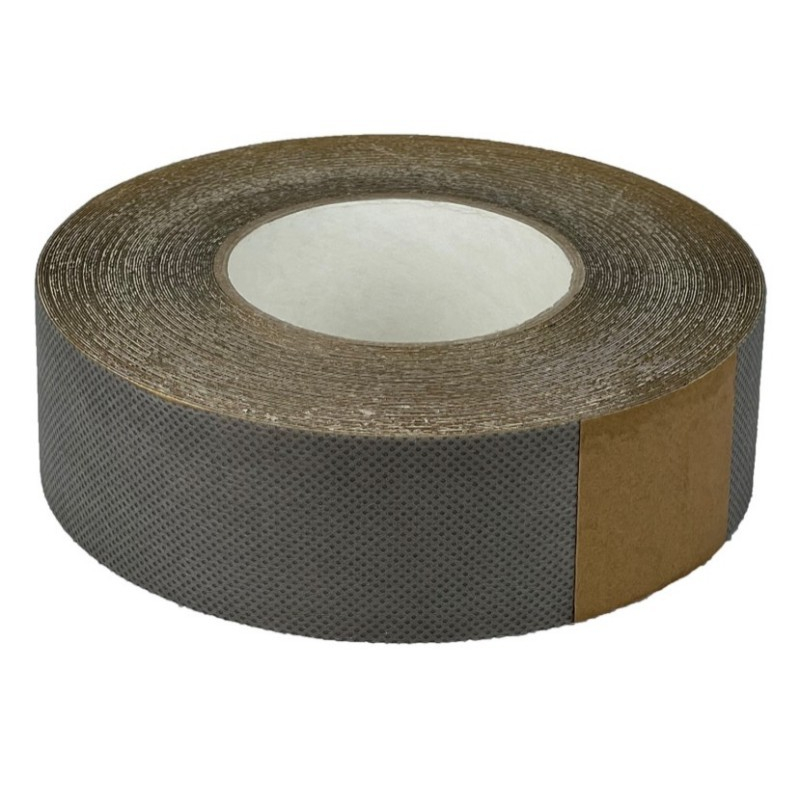
Roof Breather Membrane | Dry, Durable Roofs

roof breather membrane

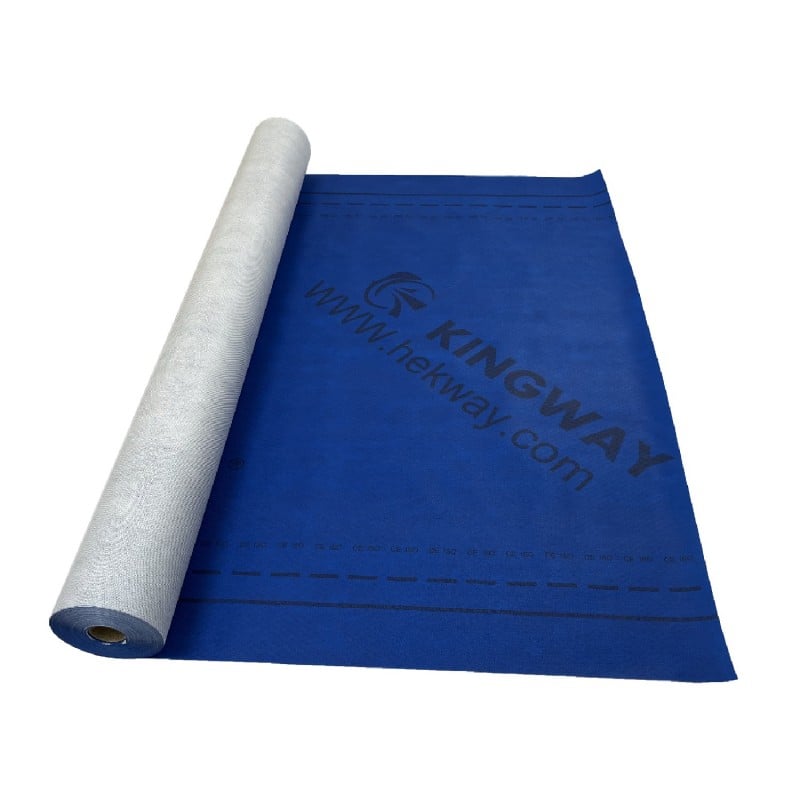
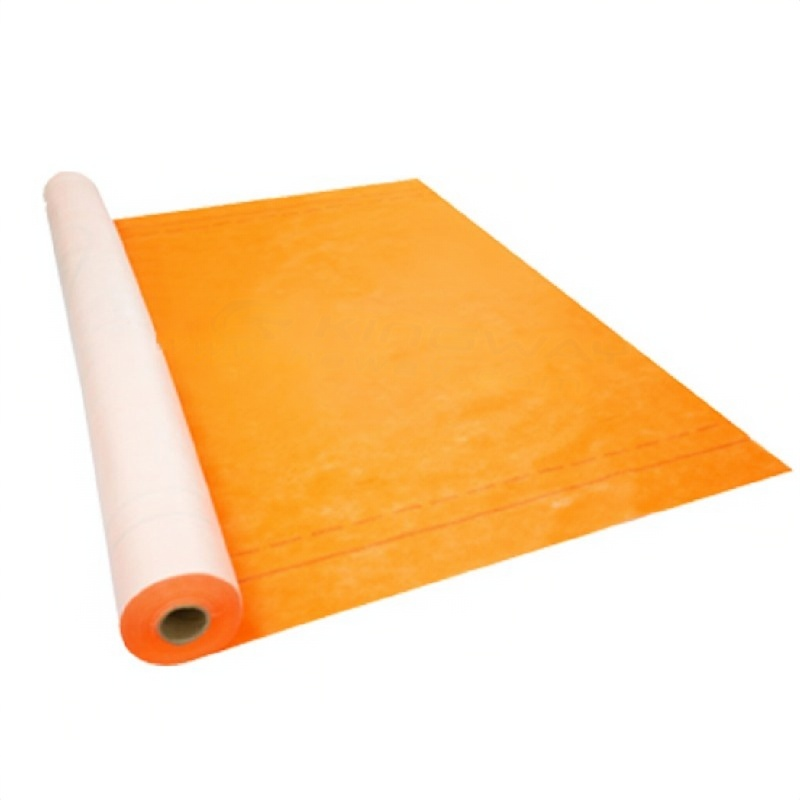
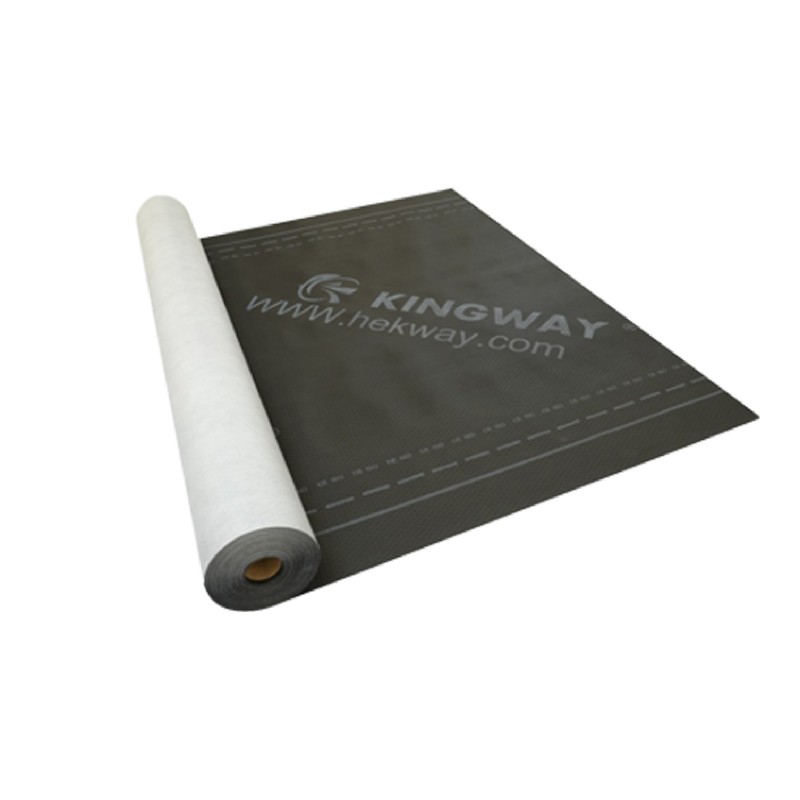
A roof breather membrane is a water-resistant, vapour-permeable layer installed beneath roof coverings. It forms a protective barrier against rain, snow, and wind-driven moisture while allowing water vapour from inside the building to escape. This balance helps the roof structure stay dry without trapping condensation. A roof breather membrane normally sits over rafters, insulation, or roof decking and below tiles, slates, or metal sheets. The roof covering remains the first defence against weather, while the membrane provides essential secondary protection. Modern roof breather membrane products use engineered synthetic films, non-woven support layers, or multi-layer composites. These materials combine high tear strength with controlled vapour transmission. Many versions include printed overlap guides, integrated tape zones, and clear direction markings that support faster installation. Some products suit fully supported decks, while others work across unsupported rafter spaces. The correct choice depends on roof design, pitch, climate, ventilation strategy, and the selected covering. A roof breather membrane can also reduce unwanted air movement, helping insulation perform more consistently. It may protect timber components and insulation during construction before the outer covering is complete. For pitched residential roofs, extensions, loft conversions, garages, commercial buildings, and modular structures, this product provides a practical layer of moisture control. In simple terms, a roof breather membrane helps a roof shed external water, release internal vapour, and remain durable through changing weather. It is an important part of a reliable warm or cold roof assembly when specified and installed according to manufacturer guidance.

New Product Recommendations

Choosing a roof breather membrane gives buyers a simple way to improve moisture control without adding unnecessary complexity to a roof build. The main value comes from two-way protection: the material blocks rain from outside while letting vapour move outward from the building. This lowers the risk of damp insulation, wet timber, mould, and premature roof damage. A roof breather membrane can therefore support a healthier indoor environment and reduce future repair concerns. Its light weight also makes handling easier than many rigid protective boards. Installers can cut and position the material quickly, which may reduce labour time on housing projects, extensions, and refurbishment work. Clear markings, overlap lines, and optional integrated tape help teams create more consistent joints. A roof breather membrane also protects the structure if a small defect develops in the outer roof covering. It should not replace good workmanship, but it provides useful backup during the life of the roof. During construction, the roof breather membrane can shield insulation and internal areas from short-term weather exposure, helping work continue with fewer delays. Buyers should compare vapour performance, tear resistance, water resistance, roll size, fire classification, and compatibility with the roof covering. They should also check whether the product is designed for supported or unsupported installation and whether additional ventilation remains necessary. For renovation projects, a roof breather membrane can improve an older roof assembly without requiring major structural changes. For new builds, it supports a more controlled and repeatable installation process. The result is practical protection, easier site handling, and greater confidence that the roof will manage moisture over time. Selecting a roof breather membrane from a dependable manufacturer also gives customers clearer technical support, installation guidance, and product documentation.

Practical Tips

Which house wrap brand offers the best balance of strength and price?

29

Jul

Which house wrap brand offers the best balance of strength and price?

Selecting the right house wrap is one of the most consequential decisions a builder or contractor makes during the construction envelope phase. The house wrap you choose affects moisture management, structural longevity, energy efficiency, and overal...
View More
Why is our single sided tape the best choice for flashing joints?

03

Aug

Why is our single sided tape the best choice for flashing joints?

When it comes to sealing flashing joints in construction and weatherproofing applications, choosing the right material makes a profound difference in long-term building performance. Single sided tape has emerged as the industry standard for this crit...
View More
Why do international contractors buy our certified membrana hidrofuga?

14

Sep

Why do international contractors buy our certified membrana hidrofuga?

International contractors consistently choose our membrana hidrofuga for one fundamental reason: proven performance under demanding conditions. When builders and developers work across multiple continents and climate zones, they need materials that d...
View More
Why is our factory-direct roofing underlayment a top global choice?

27

Oct

Why is our factory-direct roofing underlayment a top global choice?

The construction industry demands materials that combine durability, affordability, and proven performance. Roofing underlayment has become an essential component in modern building projects, serving as a critical barrier between the roof deck and th...
View More

Get a Free Quote

Our representative will contact you soon.
Email
Name
Company Name
Message
0/1000

roof breather membrane

Reliable Moisture Control

Reliable Moisture Control

The strongest selling point of a roof breather membrane is its ability to manage moisture from both directions. Its water-resistant surface helps stop rain, wind-driven spray, and melting snow from reaching insulation or timber. At the same time, its vapour-permeable construction allows moisture generated inside the building to move toward the outside. This reduces the chance of condensation remaining within the roof build-up. A roof breather membrane therefore helps protect the parts of the roof that are difficult and expensive to replace. The benefit is especially important in bedrooms, kitchens, bathrooms, and buildings with high occupancy, where indoor moisture levels can rise quickly. It also supports more stable insulation performance because damp materials lose effectiveness. Customers gain a practical layer of defence that works quietly behind the roof covering. When the product is selected for the correct roof design and installed with sealed laps and suitable detailing, a roof breather membrane can contribute to a drier, more resilient, and longer-lasting roof system.
Fast, Practical Installation

Fast, Practical Installation

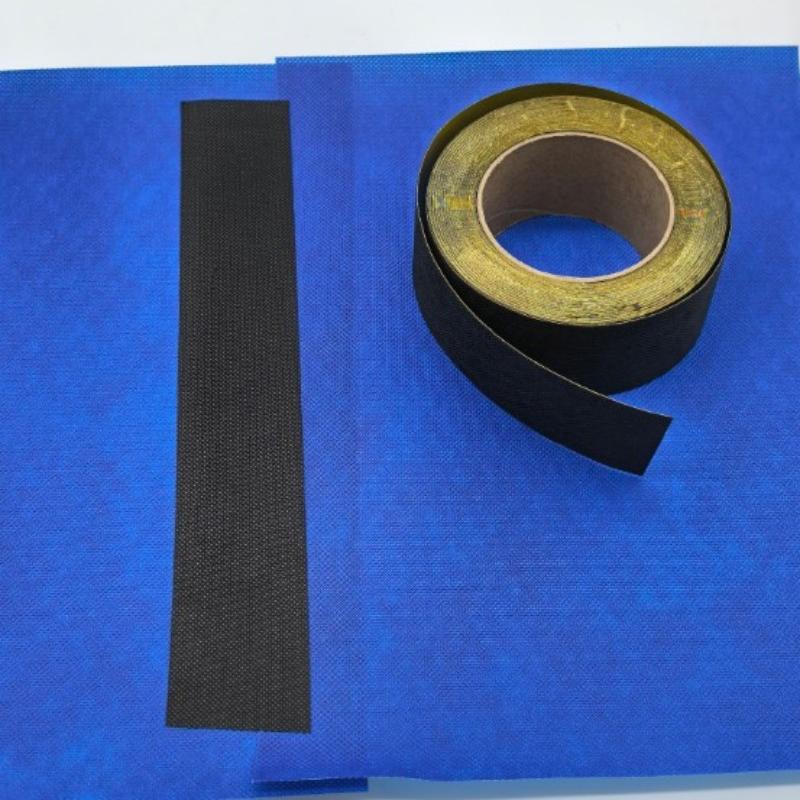
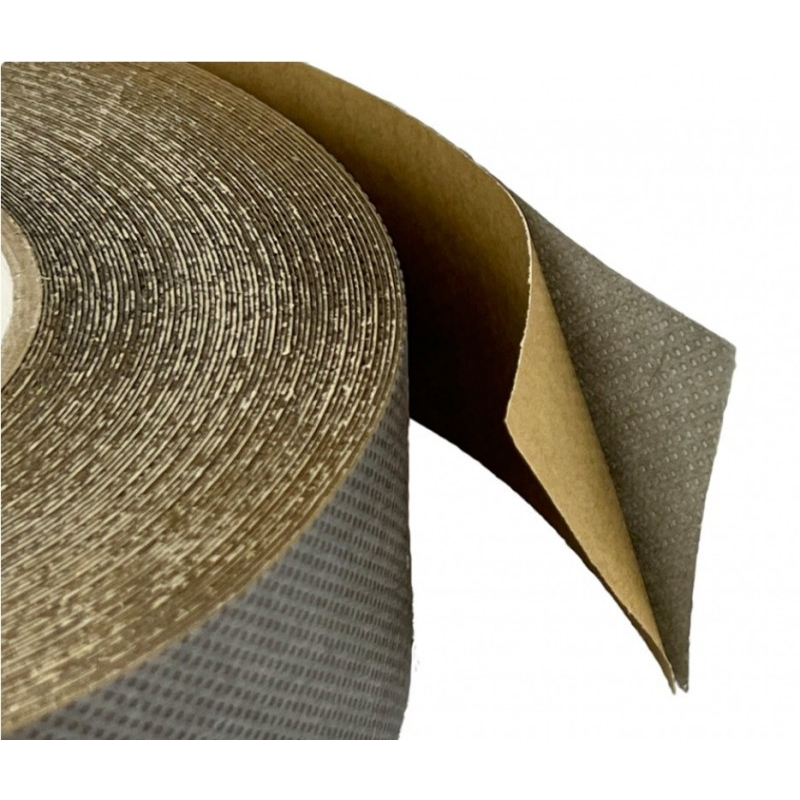
A roof breather membrane can help installers work efficiently because it is supplied in lightweight, manageable rolls. Teams can carry it across roof spaces, unroll it over rafters or decking, and cut it with standard site tools. Printed overlap guides make positioning clearer, while marked fixing zones help reduce mistakes. Some roof breather membrane products include adhesive strips or compatible tapes that make joint sealing faster and more reliable. This can shorten installation time and improve consistency across large roof areas. The material can also protect the building while other trades prepare the final roof covering, giving the project useful short-term weather resistance. For extensions and loft conversions, that flexibility can simplify work in restricted spaces. A roof breather membrane is suitable for many pitched roof applications, but installers must follow the product instructions for lap direction, fixing methods, penetrations, and edge detailing. The result is less wasted material, smoother site coordination, and a dependable protective layer without heavy or complicated equipment.
Durable Performance Across Projects

Durable Performance Across Projects

A roof breather membrane offers useful long-term value when its technical properties match the project. Strong multi-layer construction can resist tearing during handling, movement, and the installation of battens or roof coverings. Good dimensional stability helps the material remain effective through seasonal temperature changes. A roof breather membrane can also support different building types, including new homes, renovations, apartment blocks, agricultural structures, garages, and modular units. Product options may provide different levels of vapour permeability, water resistance, UV exposure tolerance, fire performance, and mechanical strength. This range allows specifiers to select a solution rather than forcing one material into every situation. Customers benefit from fewer compatibility problems when the membrane works with the selected tiles, slates, metal panels, insulation, and ventilation arrangement. A roof breather membrane may also reduce future maintenance pressure by helping keep roof components dry and protected. Buyers should review technical data and certification, not just price. The right product delivers dependable performance, easier approval, and better value across the roof's expected service life.

Get a Free Quote

Our representative will contact you soon.
Email
Name
Company Name
Message
0/1000