synthetic roofing felt
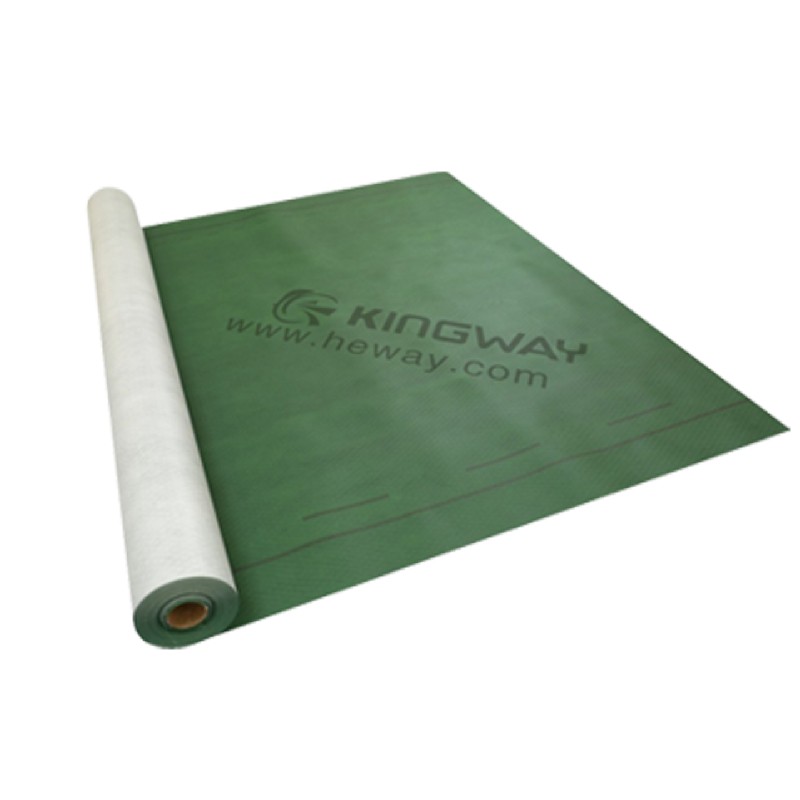
Synthetic roofing felt is a lightweight underlayment installed beneath shingles, tiles, metal panels, or other roof coverings. It creates a dependable secondary barrier between the roof deck and outside weather. When the outer covering lets in wind driven rain, snow, or moisture, synthetic roofing felt helps direct water toward the eaves and away from the structure. It also reduces exposure to dust, dirt, and temporary weather during construction. Unlike traditional paper based felt, synthetic roofing felt uses engineered polymer fibers or films. This construction gives synthetic roofing felt a strong balance of low weight, tear resistance, and dimensional stability. Many grades include a textured surface that improves foot traction for installers. Printed overlap lines help crews position each roll accurately, while marked fastener guides can speed layout and reduce material waste. Some products offer UV exposure protection for a limited period, allowing installation teams to delay the final roof covering when schedules change. Synthetic roofing felt may also resist mold growth and absorb less water than older materials, helping it remain stable in damp conditions. Its applications cover new residential construction, commercial buildings, repair work, reroofing, and temporary protection after deck installation. Contractors select synthetic roofing felt according to roof pitch, local weather, code requirements, exposure time, and the chosen top covering. Available roll sizes support efficient handling on small homes and large projects. In practical terms, synthetic roofing felt gives the roof system an extra moisture defense while helping installers work faster and with fewer handling concerns.