roofing felt underlayment
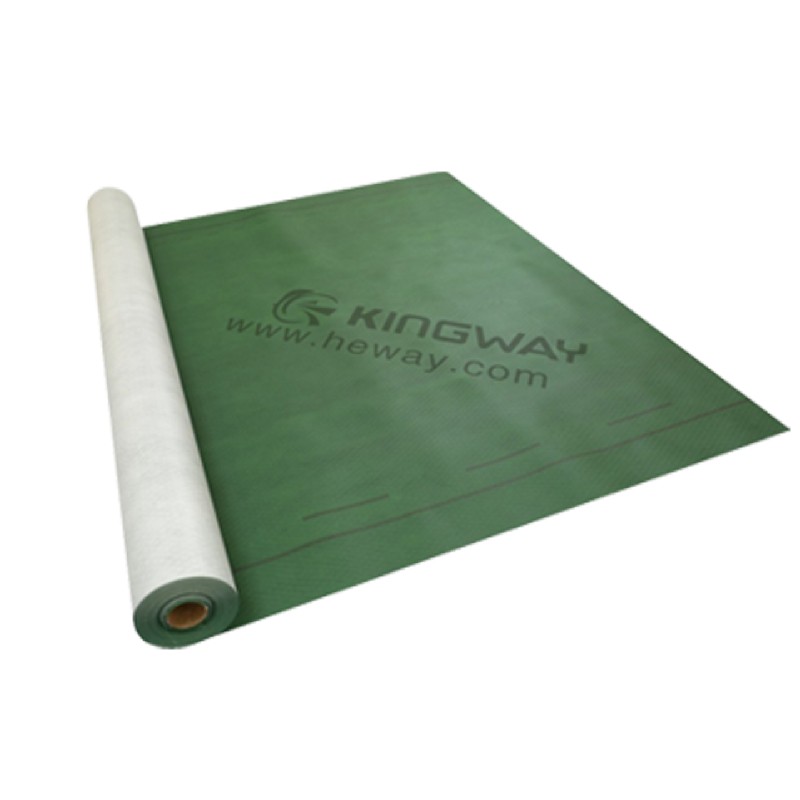
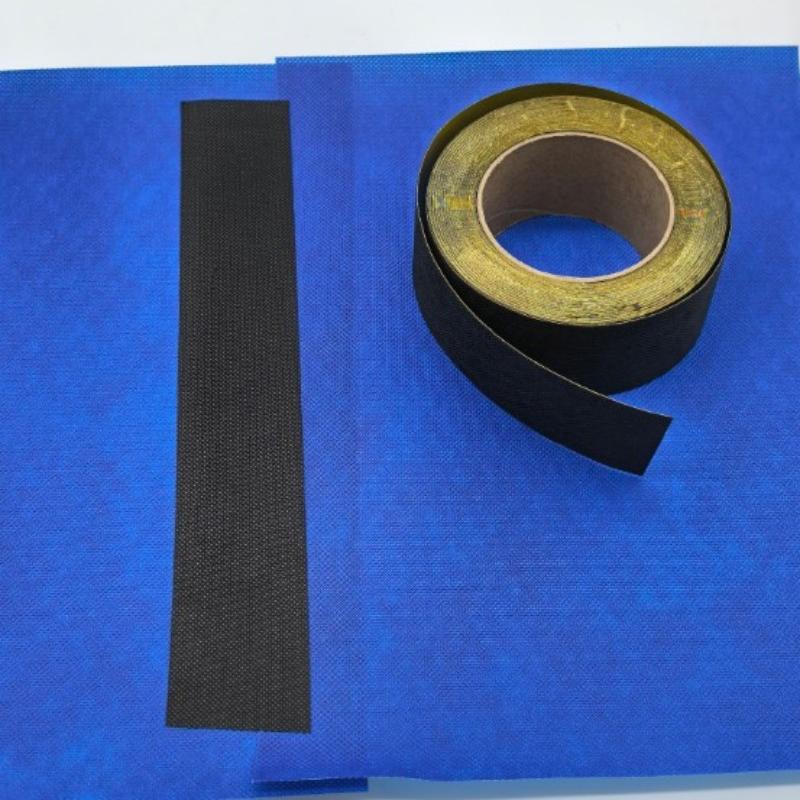
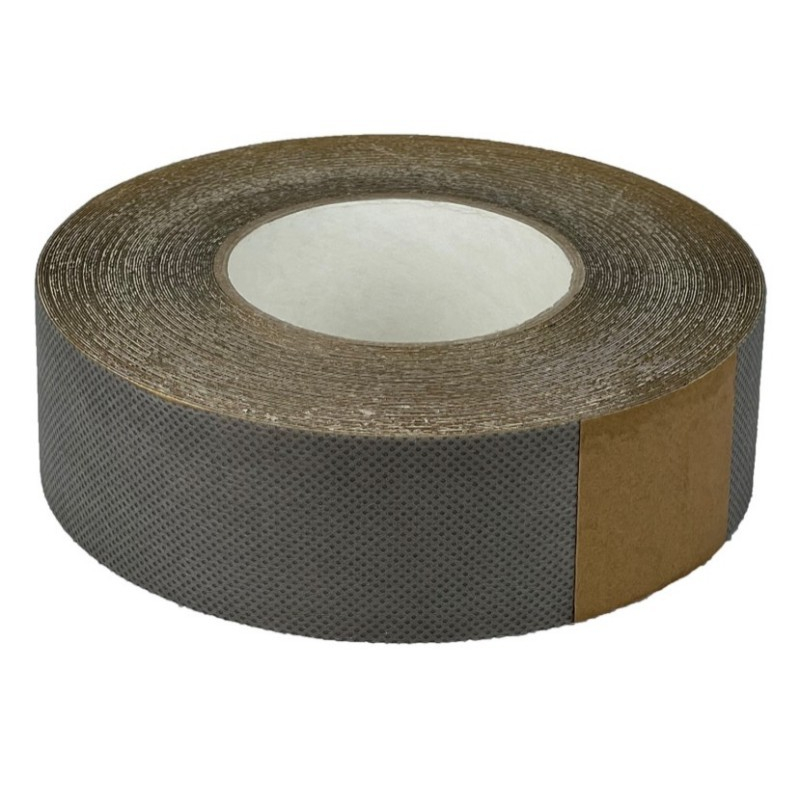
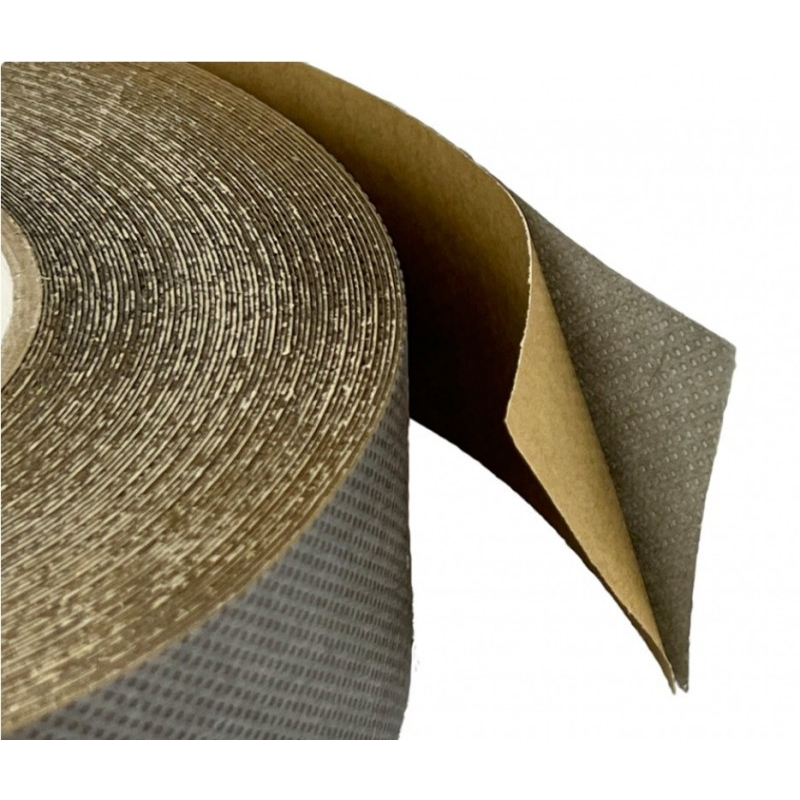
Roofing felt underlayment is a protective layer installed between a roof deck and the outer roofing material. Roofing felt underlayment helps create a secondary barrier against rain, snow, wind-driven moisture, and condensation. It supports shingles, tiles, or other coverings by adding an extra line of defense when surface materials develop gaps or suffer weather exposure. Roofing felt underlayment also gives installers a clean, stable surface while they position and fasten roof coverings. Traditional roofing felt underlayment uses a paper or fiberglass base saturated with asphalt. Modern versions may include reinforcing fibers, water-resistant coatings, and polymer additives that improve strength and handling. These technological features help the sheet resist tearing, wrinkling, and moisture penetration during installation. Some products include marked lines that guide overlap, nail placement, and course alignment, which can make roof work faster and more consistent. Roofing felt underlayment suits new construction, roof replacement, repairs, and temporary weather protection. Contractors commonly place it beneath asphalt shingles, metal panels, wood shakes, and selected tile systems, provided the roof design and local code allow its use. The material comes in rolls with different widths, weights, and performance levels, so buyers can select a practical option for the project. Roofing felt underlayment does not replace the finished roof covering or proper flashing. Instead, it works as part of a complete roofing system. Correct installation requires a dry deck, suitable fasteners, controlled overlaps, and careful attention around valleys, edges, vents, and penetrations. For dependable performance, choose a product that matches the roof design, climate, slope, and installer requirements.