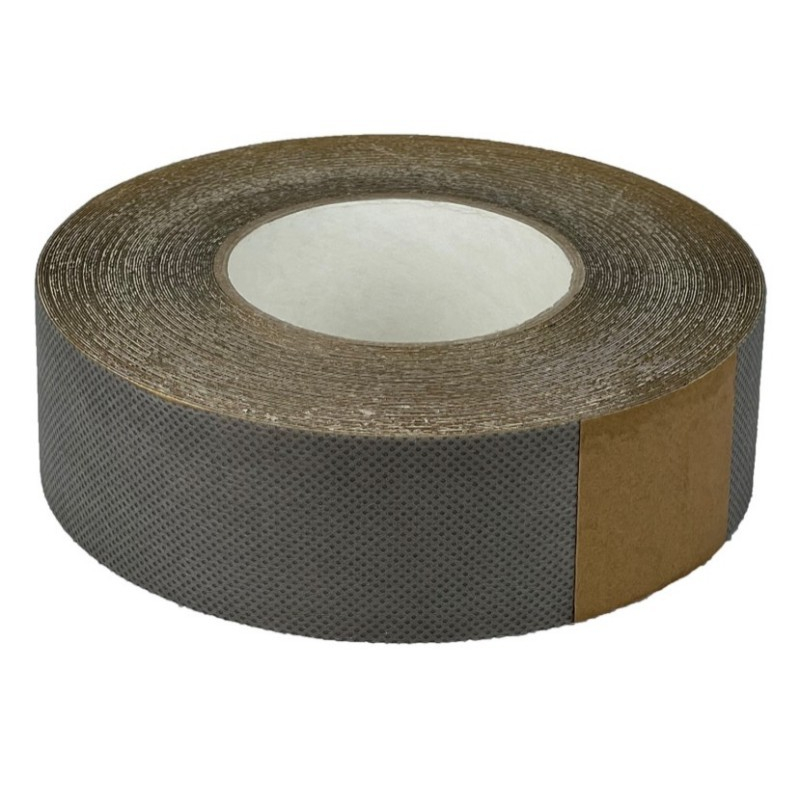
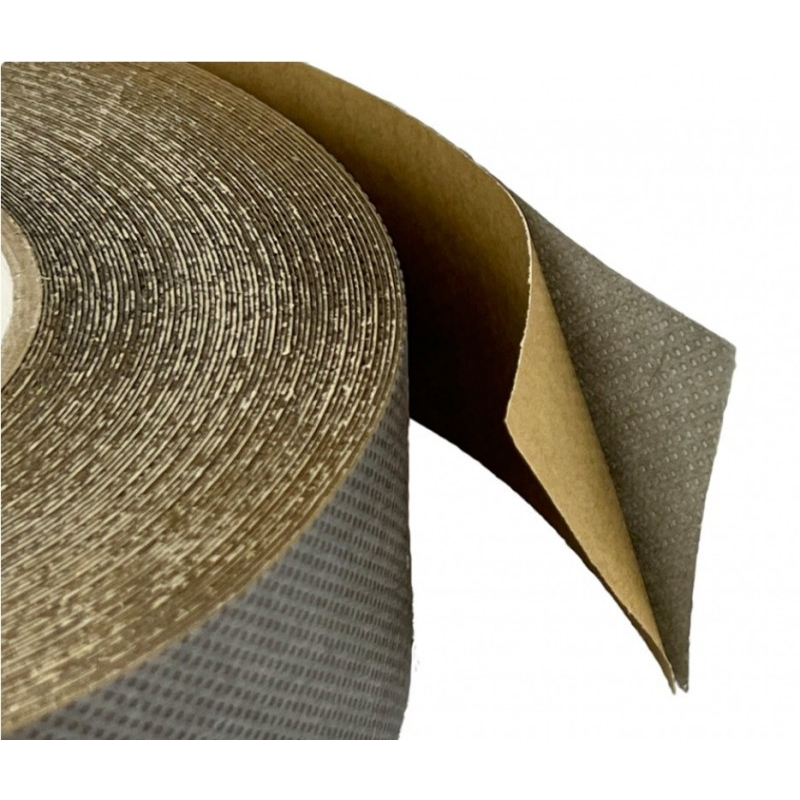
breathable felt
Breathable felt is an engineered textile designed to let air and vapor pass through while helping block dust, liquid droplets, and unwanted particles. This balance makes breathable felt useful when a product needs ventilation without giving up basic protection. Manufacturers make breathable felt from synthetic fibers, natural fibers, or blended materials, then form the fibers into a stable sheet through needling, bonding, laminating, or heat treatment. The final structure can be soft and flexible or dense and firm, depending on the intended use. Breathable felt supports airflow, moisture release, sound absorption, filtration, surface protection, and light insulation. A breathable felt layer can also cushion parts, reduce contact noise, and separate components during storage or transport. Many grades resist tearing, abrasion, oils, mild chemicals, heat, or repeated handling. Some versions include a water-resistant surface, a fire-retardant treatment, an adhesive backing, or a laminated support film. These options help buyers select breathable felt for specific working conditions rather than relying on a single general-purpose material. In filtration systems, breathable felt captures particles while maintaining useful air movement. In protective covers, breathable felt reduces condensation that could damage enclosed items. In packaging, breathable felt protects surfaces and allows moisture to escape. Construction, automotive, appliances, furniture, medical equipment, agriculture, and industrial machinery all use breathable felt in different forms. Buyers can order rolls, sheets, die-cut pads, gaskets, sleeves, or custom parts. Thickness, density, fiber type, pore structure, color, and finishing treatment determine performance. Choosing the right breathable felt therefore depends on airflow targets, exposure conditions, strength needs, installation method, and expected service life.