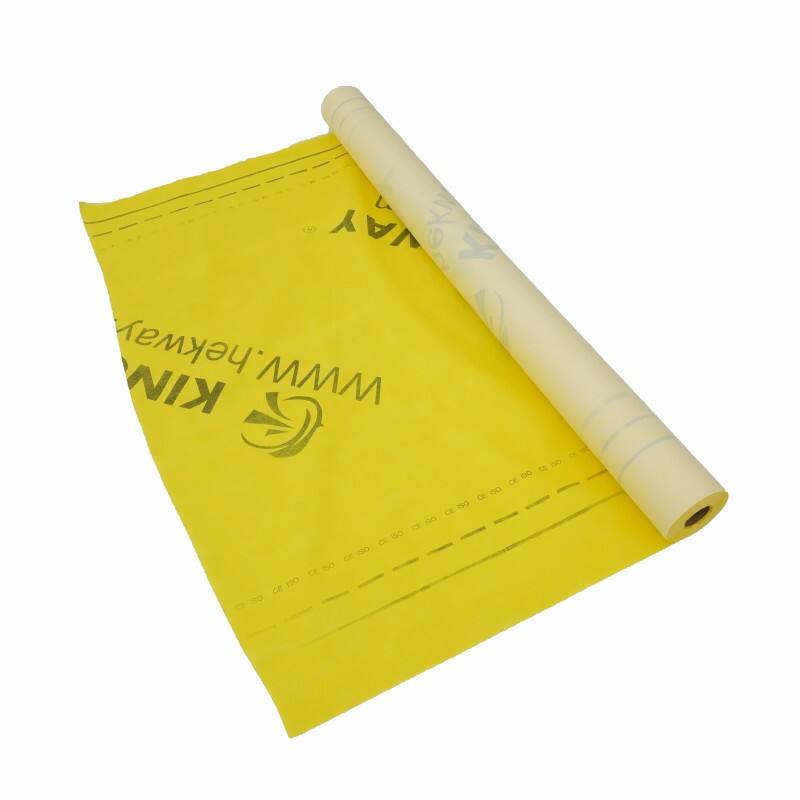
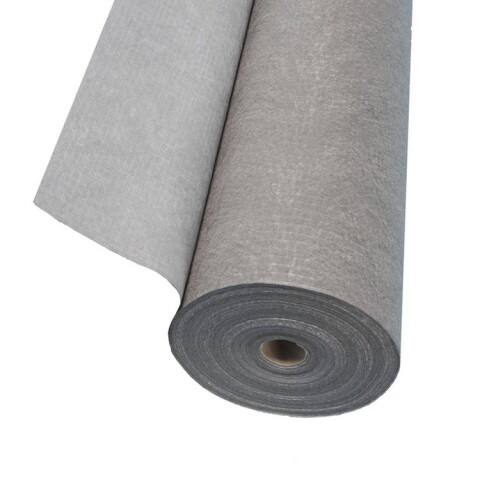
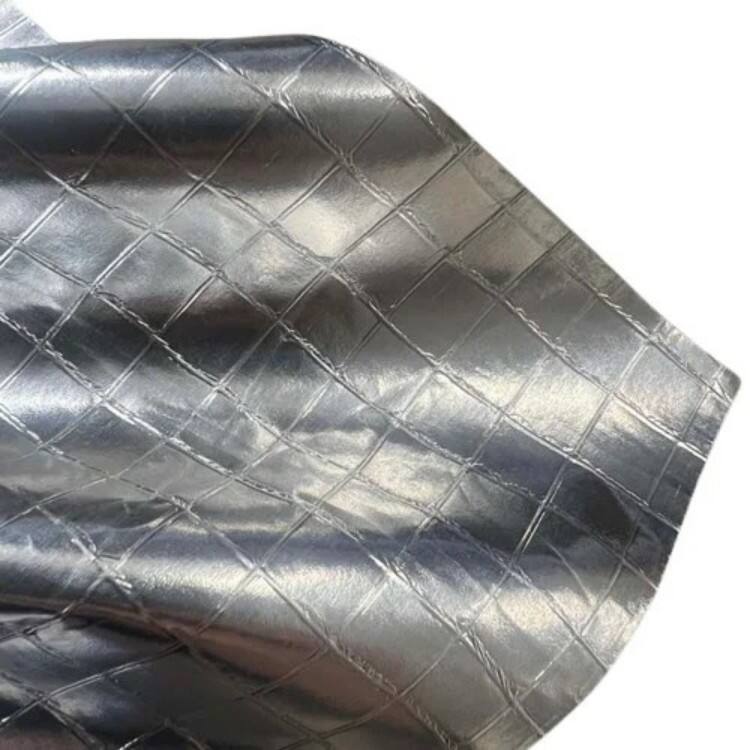
roof and wall breather membrane
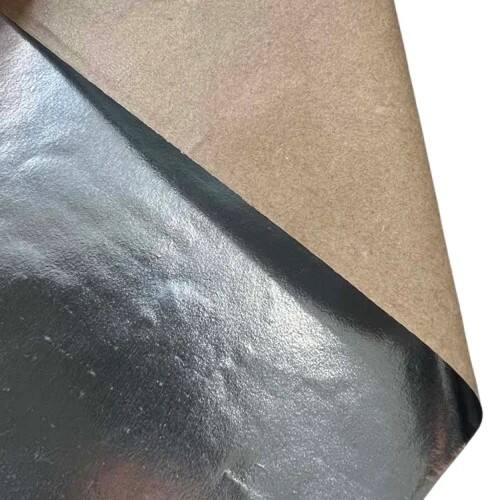
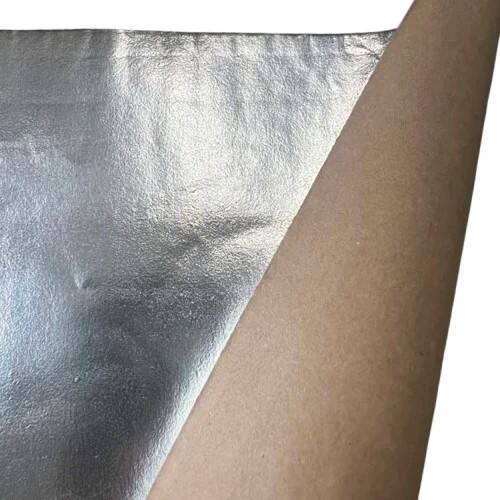
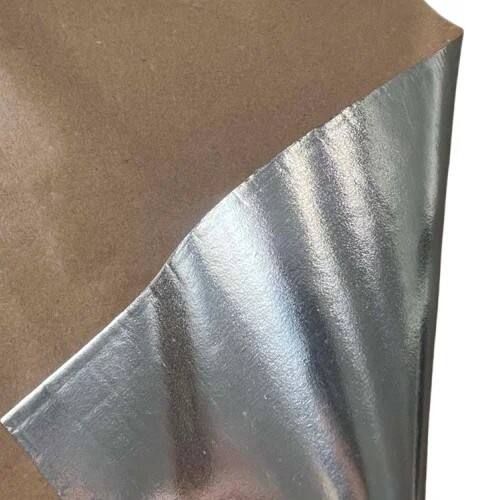
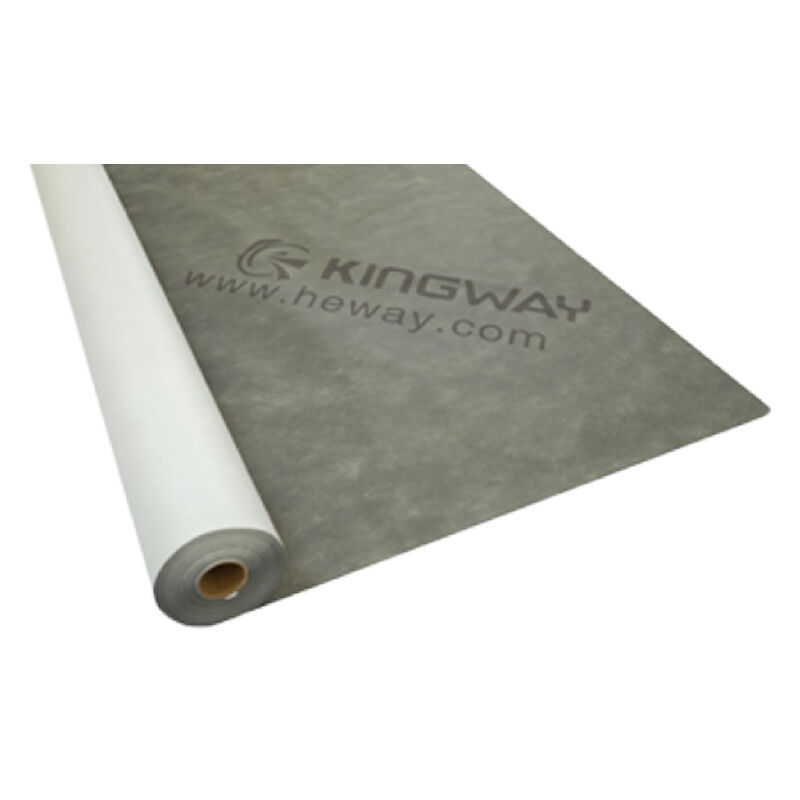
A roof and wall breather membrane is an essential protective layer designed to safeguard buildings from moisture infiltration while allowing water vapor to escape. This advanced construction material serves as a secondary weather barrier installed beneath external cladding on roofs and walls, providing critical protection during and after construction. The roof and wall breather membrane functions by creating a breathable yet waterproof shield that prevents wind-driven rain and snow from penetrating the building envelope while permitting internal moisture vapor to exit freely. This dual functionality prevents condensation buildup within wall cavities and roof spaces, which can lead to structural deterioration, mold growth, and reduced insulation performance. Technologically, the roof and wall breather membrane features a microporous structure with precisely engineered pore sizes that block liquid water molecules while allowing smaller vapor molecules to pass through. Modern membranes typically offer high tensile strength, UV resistance for temporary exposure, and excellent tear resistance to withstand installation stresses. Applications span residential, commercial, and industrial construction projects, including pitched roofs, flat roofs, timber frame walls, masonry walls, and ventilated facade systems. The membrane proves particularly valuable in cold climates where temperature differentials create significant condensation risks and in coastal regions where wind-driven rain poses constant threats. By integrating a roof and wall breather membrane into building designs, architects and contractors ensure long-term structural integrity, enhanced energy efficiency, and superior occupant comfort across diverse construction scenarios.