breather membrane roofing
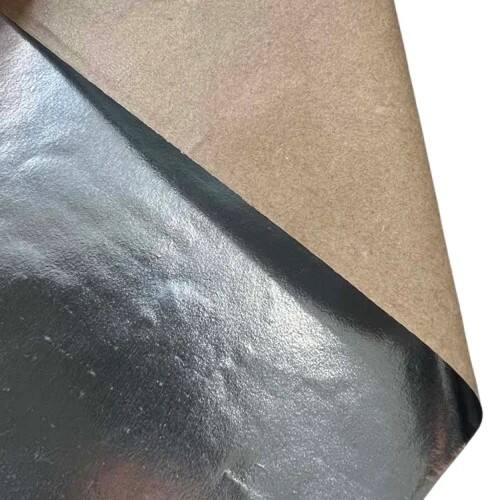
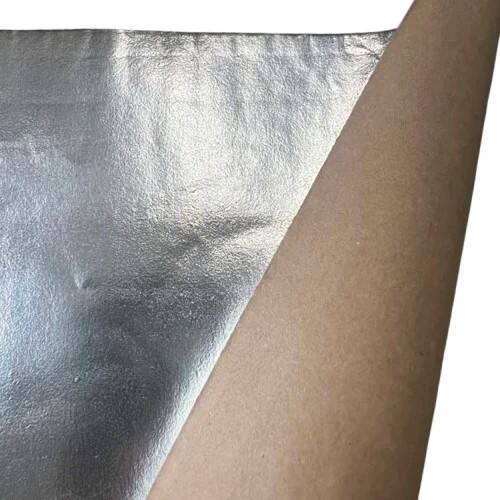
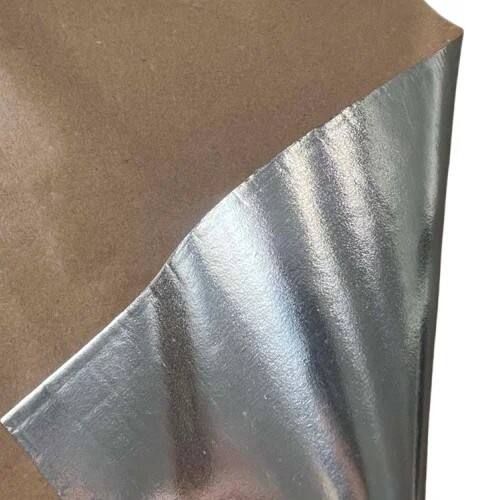
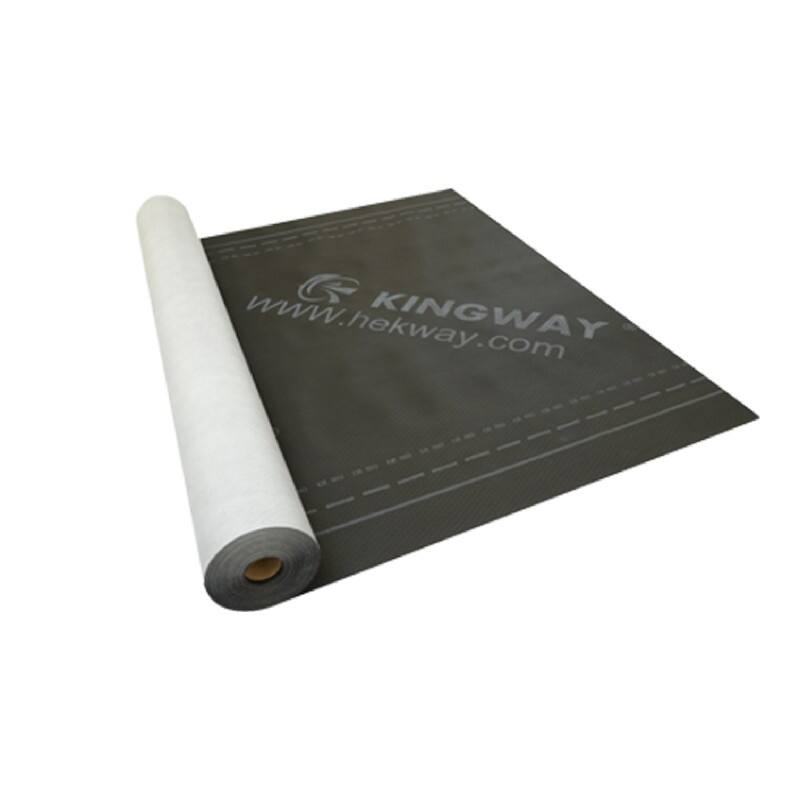
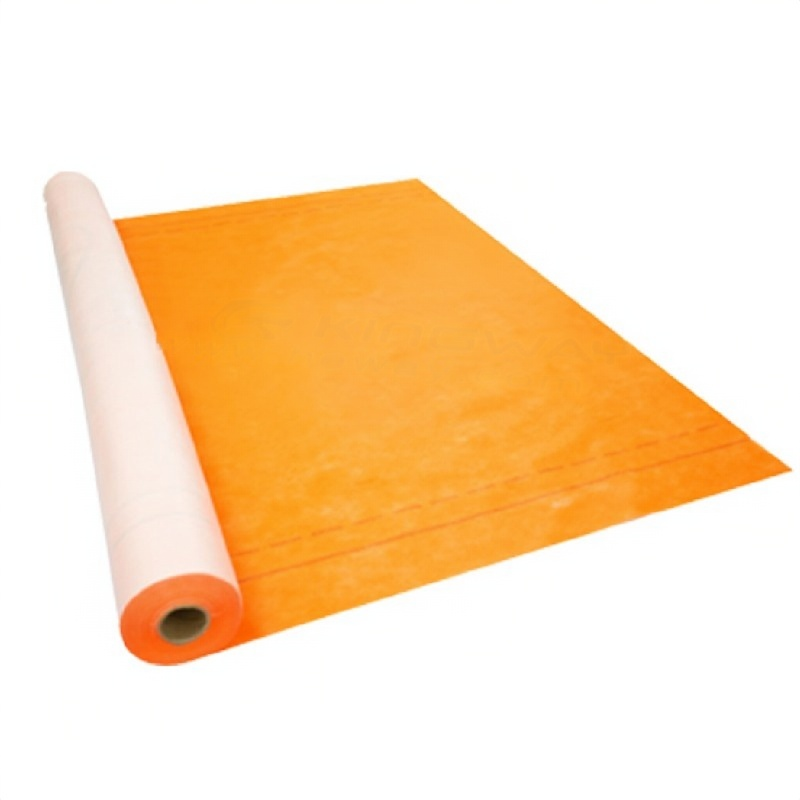
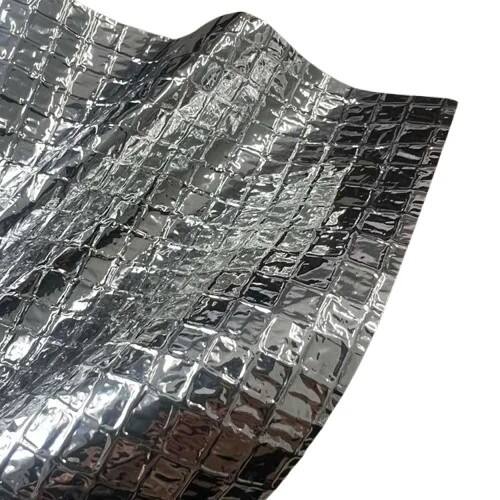
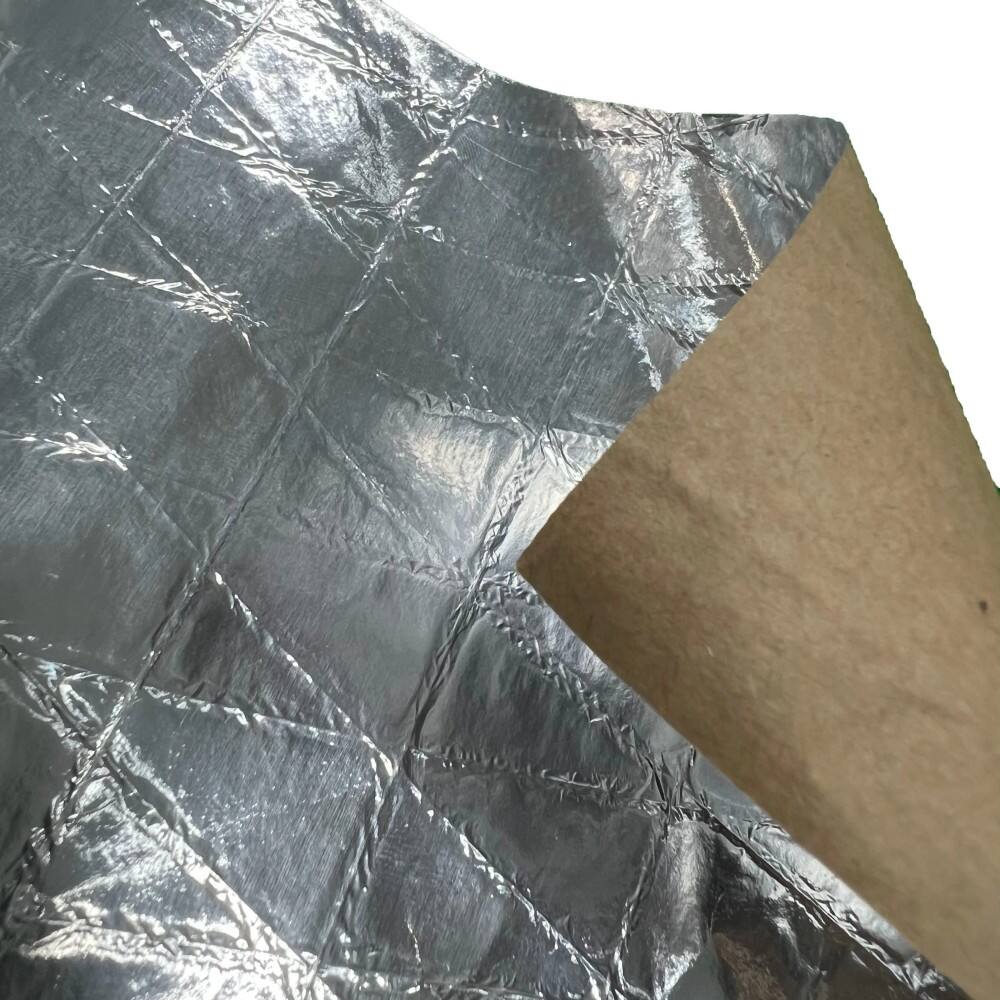
Breather membrane roofing is an essential component in modern construction, designed to protect buildings from moisture infiltration while allowing water vapor to escape. This specialized roofing underlayment sits beneath tiles, slates, or other external roof coverings, creating a critical secondary defense layer. Breather membrane roofing combines waterproofing capabilities with vapor permeability, ensuring that any moisture trapped within the roof structure can evaporate outward while preventing rain and snow from penetrating inward. The technology relies on a microporous or spunbond structure that permits air molecules to pass through while blocking liquid water droplets due to surface tension principles. Primary functions include weather protection during construction phases, long-term moisture management, and thermal efficiency enhancement by maintaining insulation performance. These membranes typically feature high tensile strength, UV resistance for temporary exposure, and compatibility with various roof pitches and construction methods. Applications span residential housing, commercial buildings, agricultural structures, and heritage restoration projects. Modern breather membrane roofing products often incorporate reflective layers for improved energy efficiency and fire-retardant treatments for enhanced safety. Installation requires proper overlap, secure fixing, and adequate ventilation to maximize performance. The membrane works continuously throughout the building's lifespan, contributing to structural longevity, indoor air quality, and energy conservation while reducing the risk of condensation-related damage such as rot, mold growth, and insulation degradation.