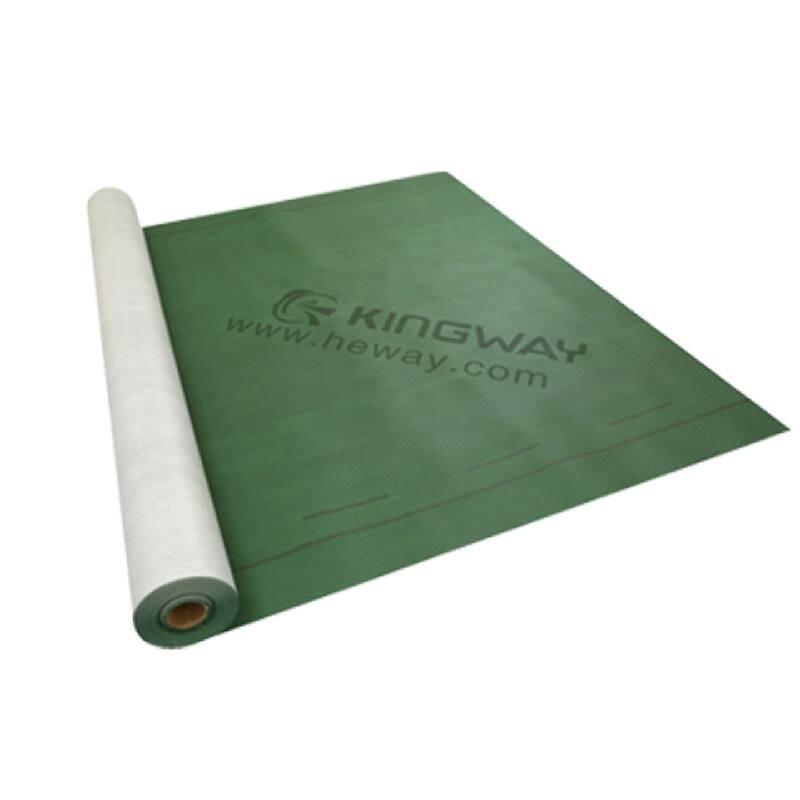
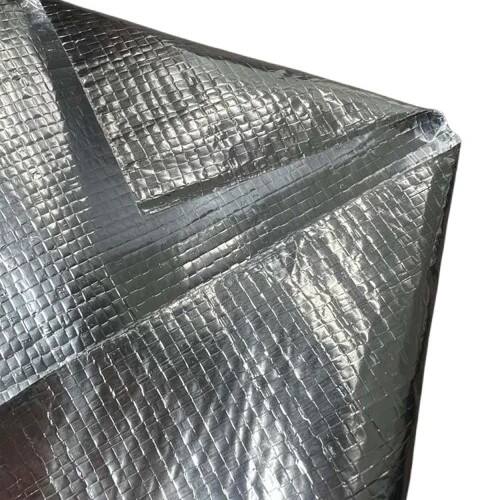
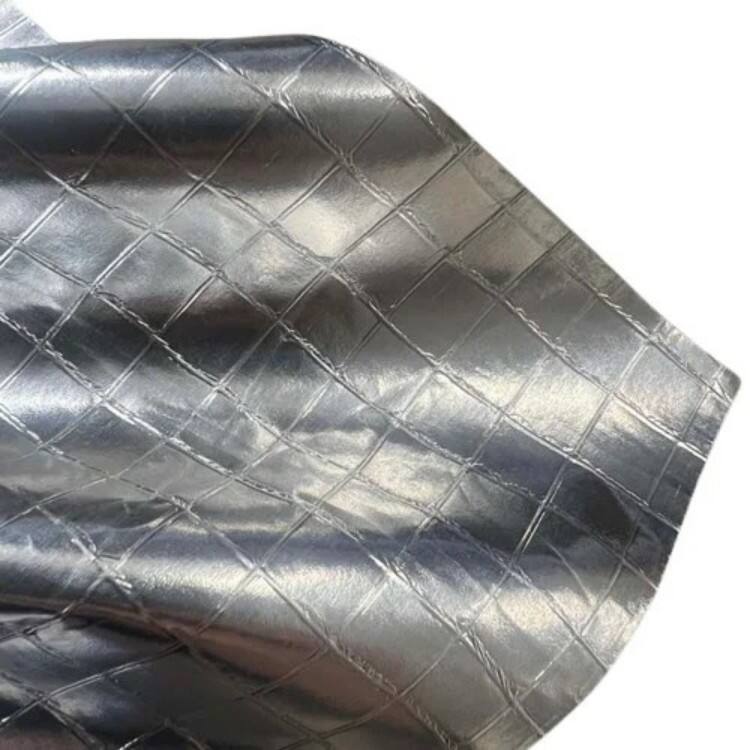
building vapour barrier
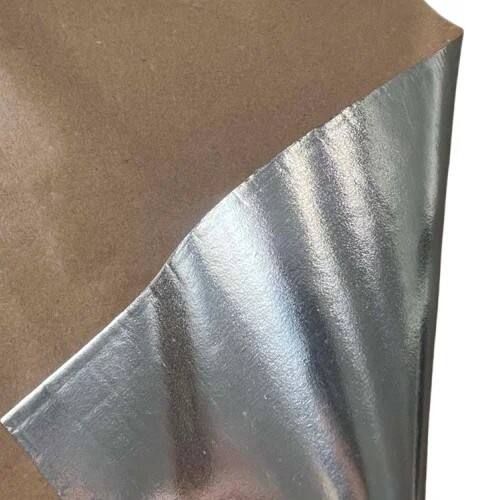
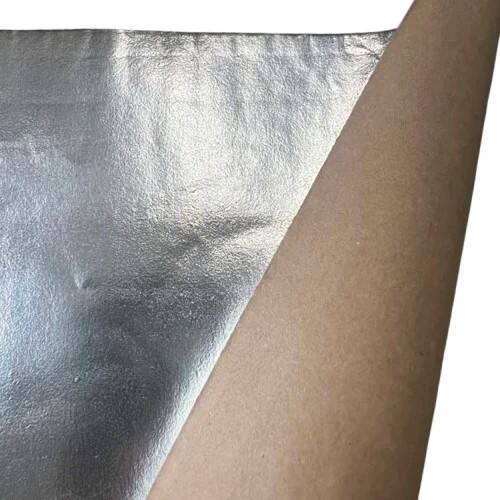
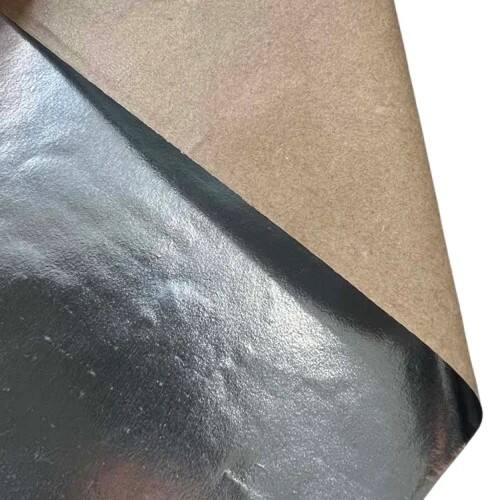
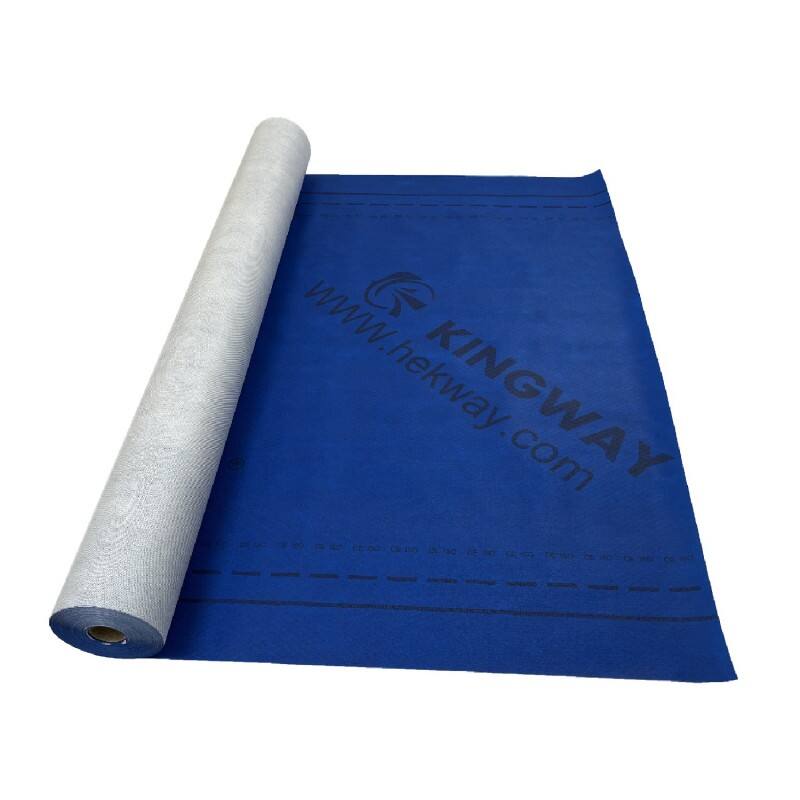
A building vapour barrier is a specialized protective layer designed to control moisture movement within building structures. This essential construction material prevents water vapour from penetrating walls, ceilings, and floors, thereby protecting the structural integrity of buildings. The building vapour barrier works by creating an impermeable or semi-permeable membrane that stops condensation from forming inside wall cavities and insulation materials. Made from materials such as polyethylene sheeting, foil-backed paper, or specialized membrane films, this barrier plays a crucial role in maintaining indoor air quality and energy efficiency. The primary function of a building vapour barrier is to prevent moisture-related damage including mold growth, wood rot, insulation deterioration, and structural weakening. It is strategically installed on the warm side of insulation in walls, roofs, and floors to block humid indoor air from reaching cold surfaces where condensation would occur. Modern building vapour barrier products feature advanced technologies including multi-layer construction, reinforced tear resistance, and precise permeability ratings measured in perms. Applications span residential homes, commercial buildings, industrial facilities, and agricultural structures across various climate zones. The building vapour barrier is particularly vital in cold climates where temperature differentials create significant condensation risks, though proper installation is equally important in mixed and humid climates to prevent moisture accumulation that compromises building performance and occupant health.