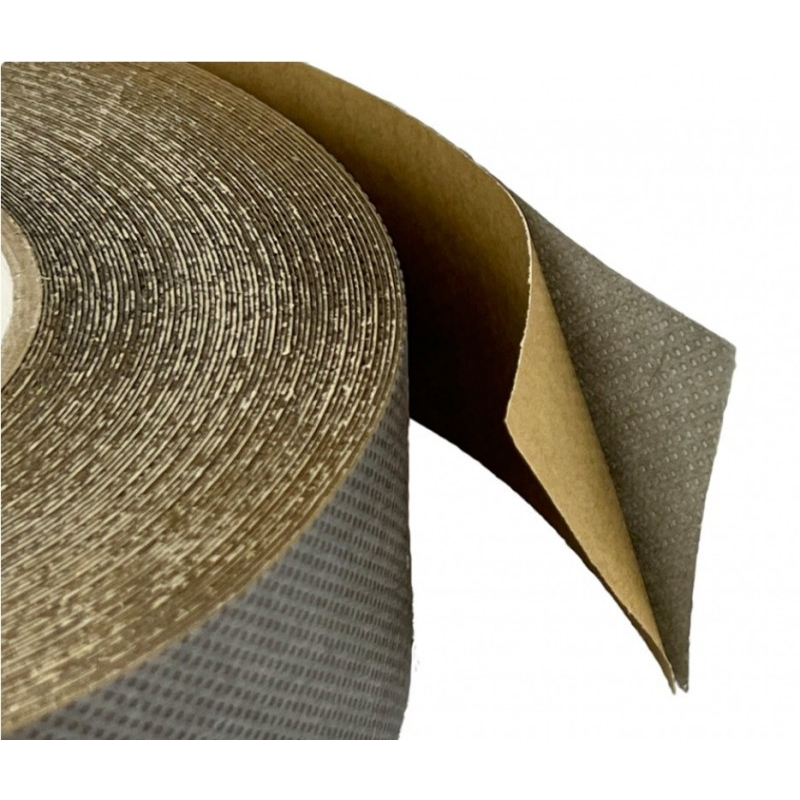
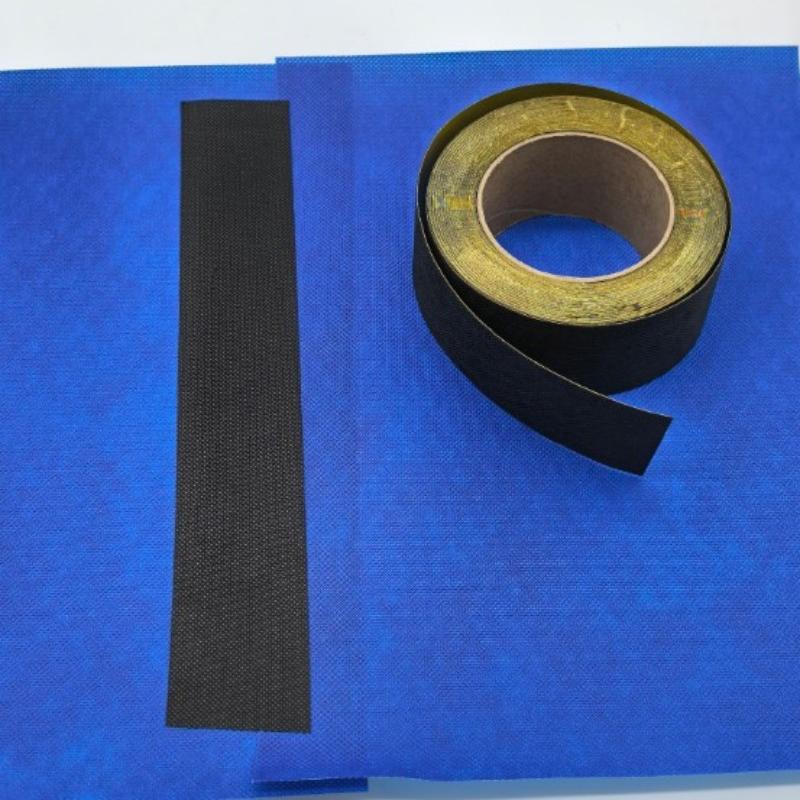
vapour barrier for roof
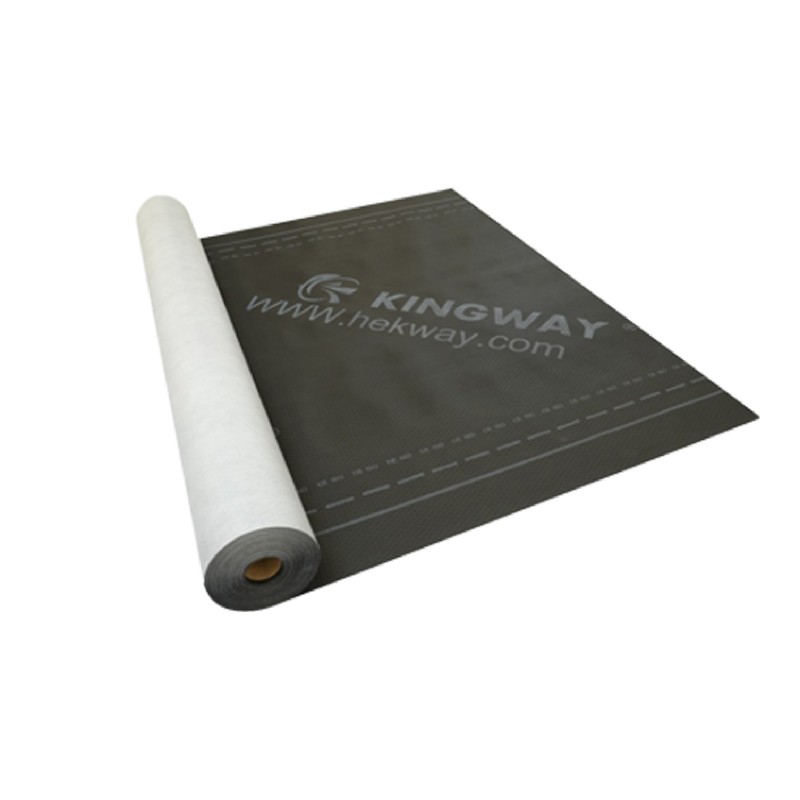
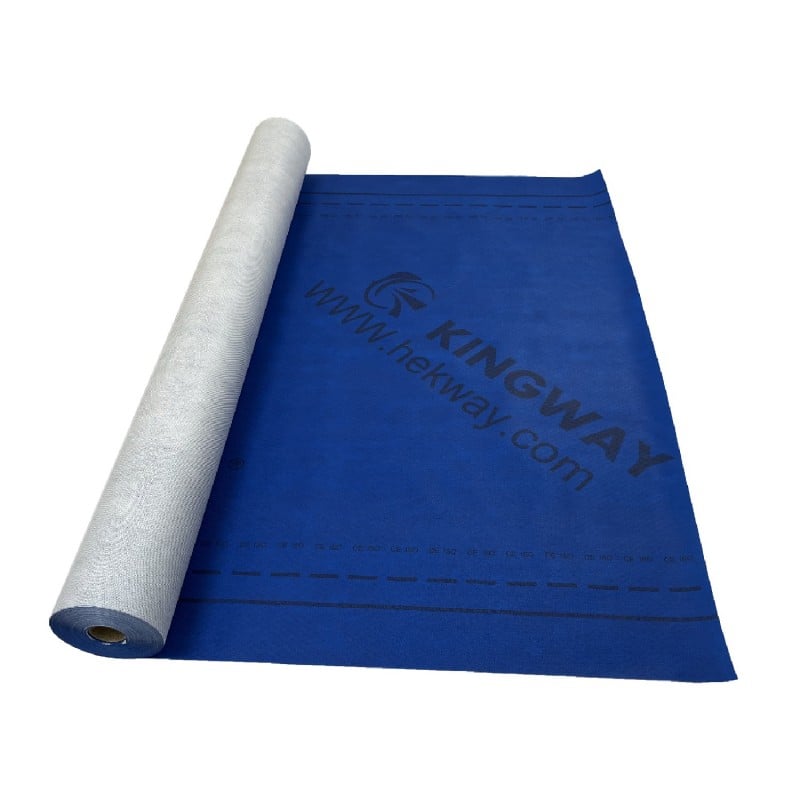
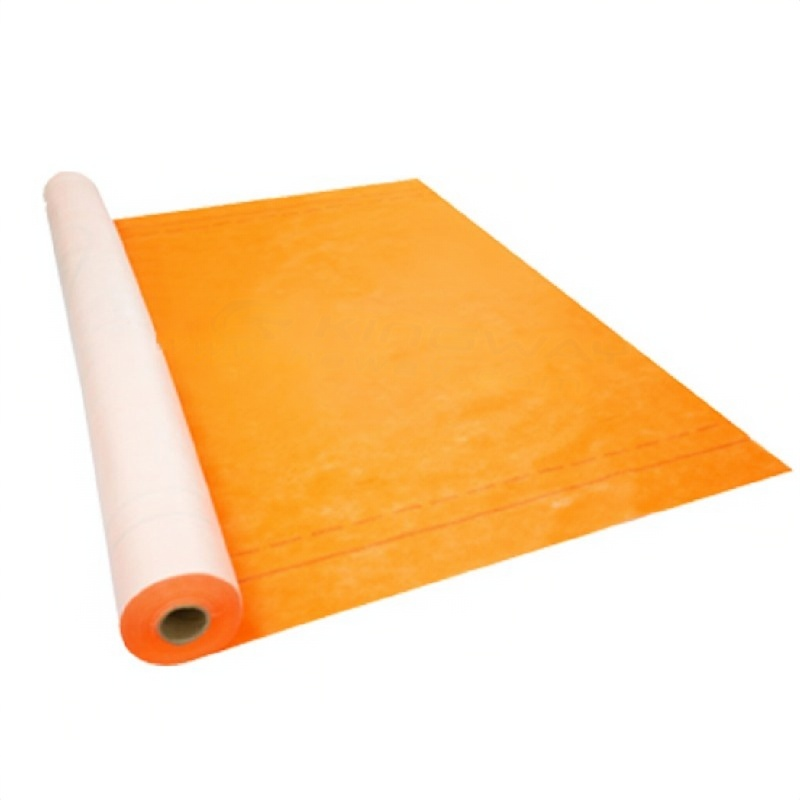
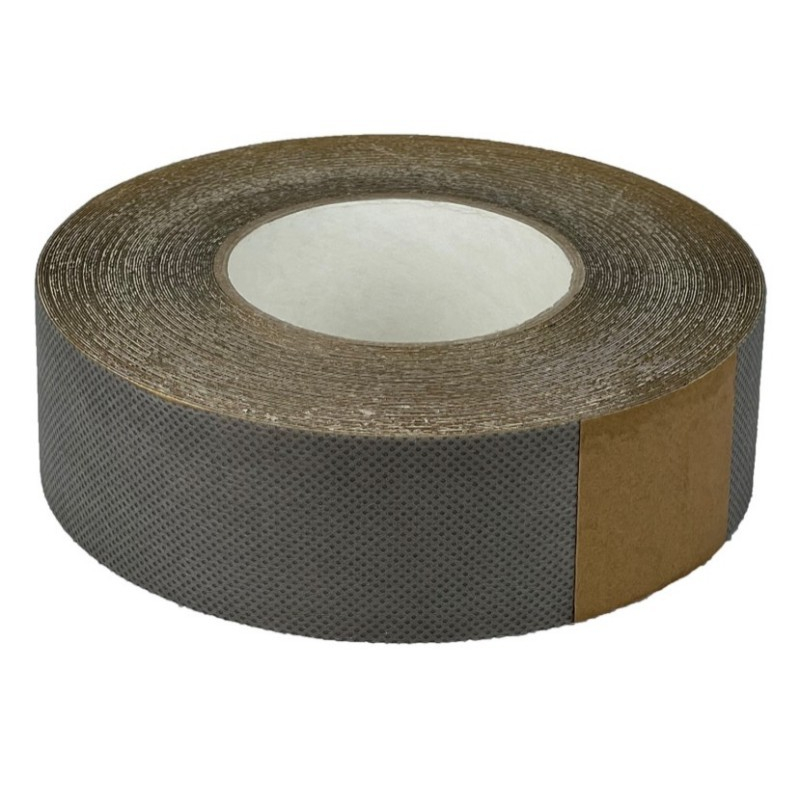
A vapour barrier for roof is a protective membrane installed on the warm side of a roof insulation system. Its main job is to limit the movement of indoor water vapour into the roof structure, where cooler surfaces could turn moisture into condensation. By controlling this movement, a vapour barrier for roof helps protect insulation, timber, metal fixings, and interior finishes from damp-related damage. It also supports stable thermal performance because dry insulation works more effectively than wet insulation. A vapour barrier for roof usually consists of a reinforced polymer film, multilayer sheet, or reflective laminate. The selected material may combine low vapour permeability with high tear resistance, flexibility, and dependable sealing performance. Some products include printed overlap guides, integrated tapes, or a reflective face that reduces radiant heat transfer when installed with the correct air gap. A vapour barrier for roof must form a continuous layer. Installers place it across the inner roof plane, seal laps and penetrations, and connect it carefully around walls, windows, ducts, and services. The membrane can suit pitched roofs, flat roof build-ups, loft conversions, insulated rafters, and many new construction or refurbishment projects. Product selection depends on climate, roof design, insulation type, ventilation strategy, and local building requirements. For buyers, a vapour barrier for roof offers a practical way to manage moisture before it reaches vulnerable materials. It forms part of a complete roof assembly rather than acting as a replacement for external waterproofing, drainage, or ventilation. Correct design and installation remain essential to achieve reliable results.