vapour barrier for flat roof
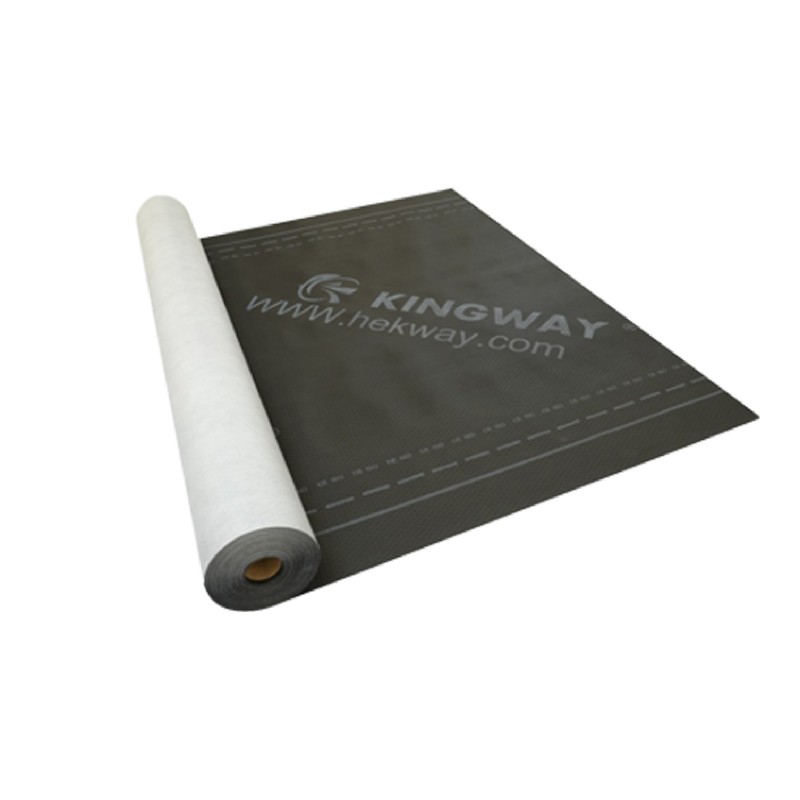
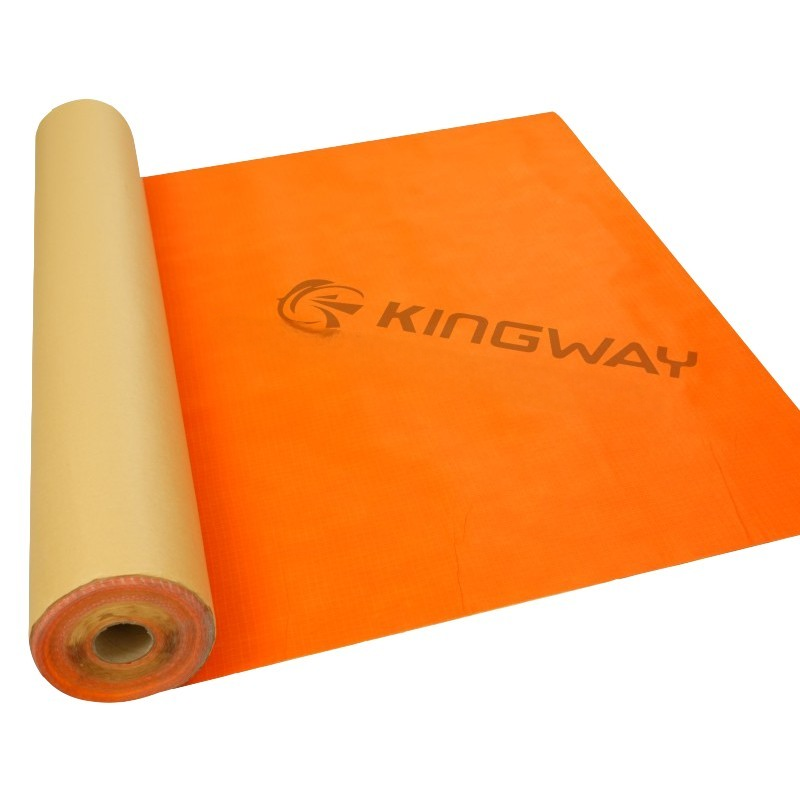
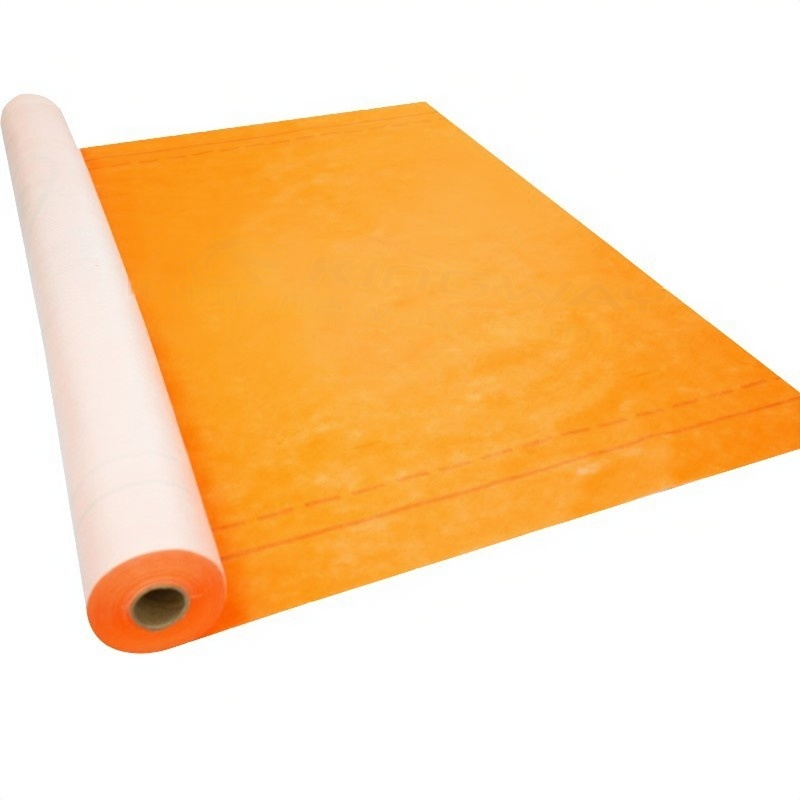
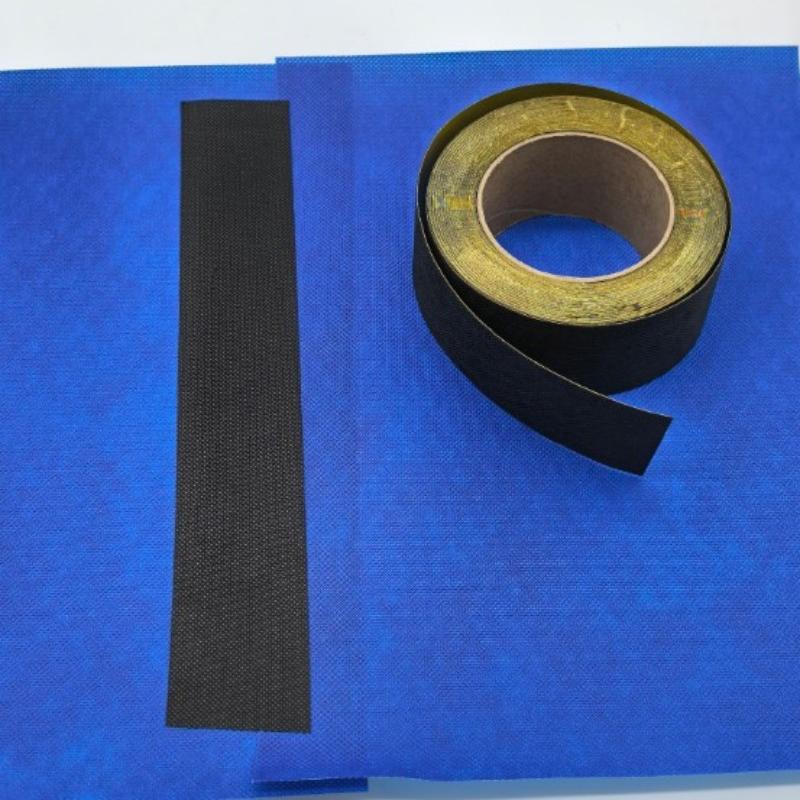
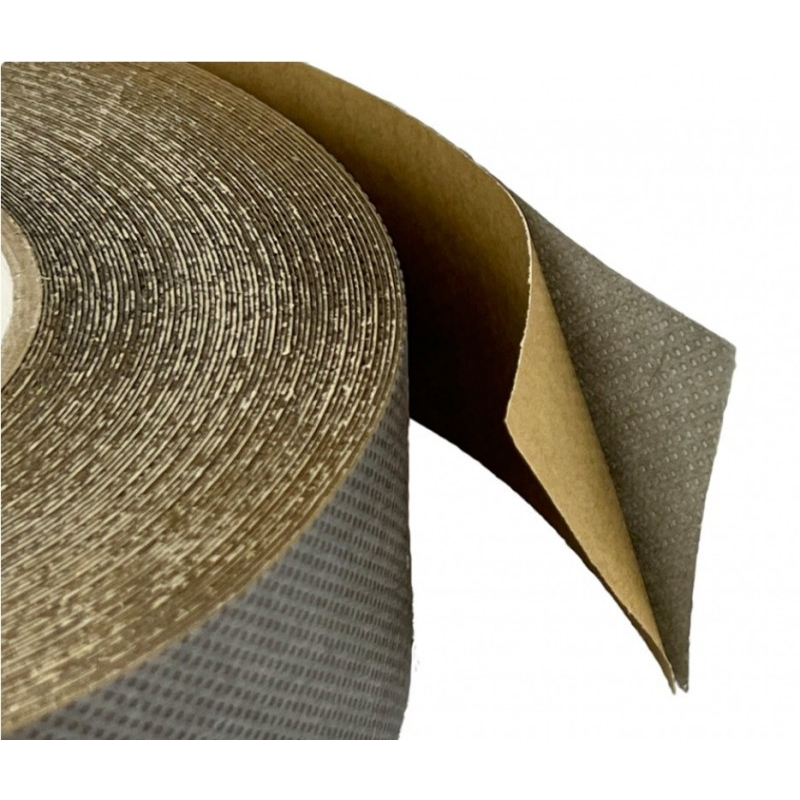
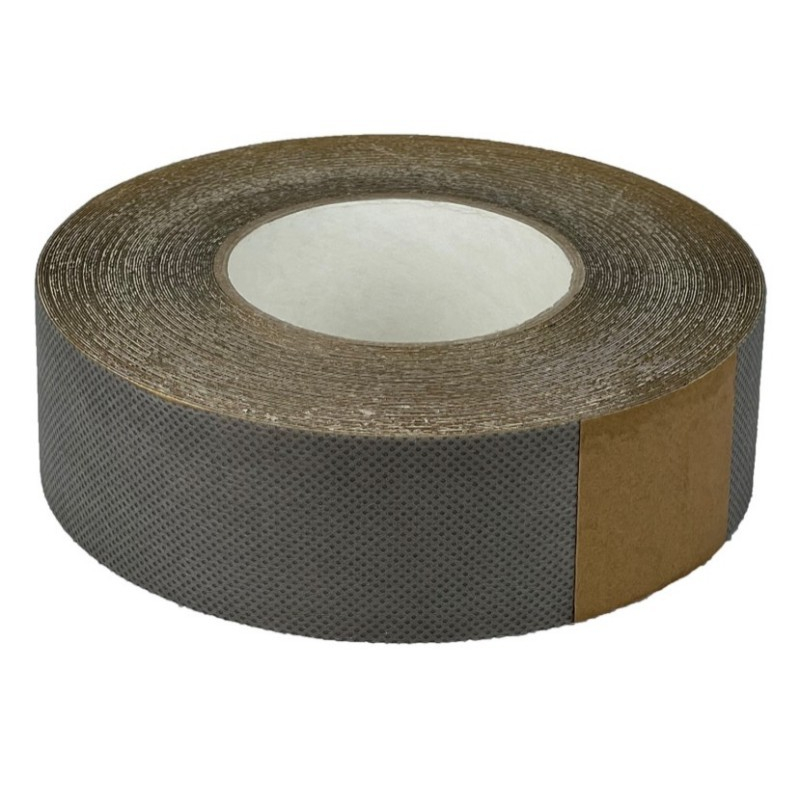
A vapour barrier for flat roof is a protective membrane installed within a roof build-up to control moisture movement. Its main purpose is to stop warm, humid indoor air from reaching colder layers, where it could condense and cause dampness, mould, corrosion, or reduced insulation performance. A vapour barrier for flat roof also helps protect the structure when temperatures change between day and night or between seasons. In most systems, installers position the membrane on the warm side of the insulation, beneath the main waterproofing layer. The exact location depends on the roof design, building use, climate, and insulation type. A vapour barrier for flat roof can be made from reinforced bitumen, polyethylene, aluminium-coated material, or advanced synthetic sheets. These materials offer controlled vapour resistance, good flexibility, and dependable performance under roof coverings. Some products include self-adhesive backing, while others are bonded with heat, adhesive, or mechanical fixings. A vapour barrier for flat roof may also provide temporary weather protection during construction, depending on its specification. Correctly sealed laps, edges, penetrations, and joints are essential because even small gaps can let moist air pass into the roof. The vapour barrier for flat roof should work as part of a complete system that includes insulation, drainage, waterproofing, and ventilation where required. For new buildings, it supports moisture control from the start. For refurbishment, a vapour barrier for flat roof can improve an older roof while reducing the risk of hidden moisture damage. A properly selected vapour barrier for flat roof supports a warmer, drier, and longer-lasting roof.