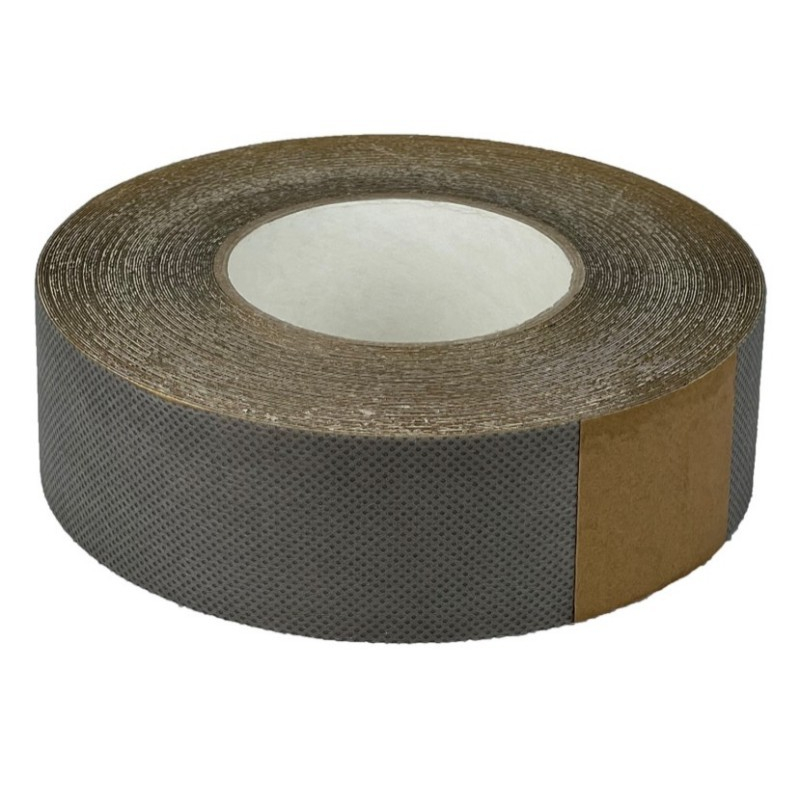
Building Wrap Tape for Secure Building Seals

building wrap tape

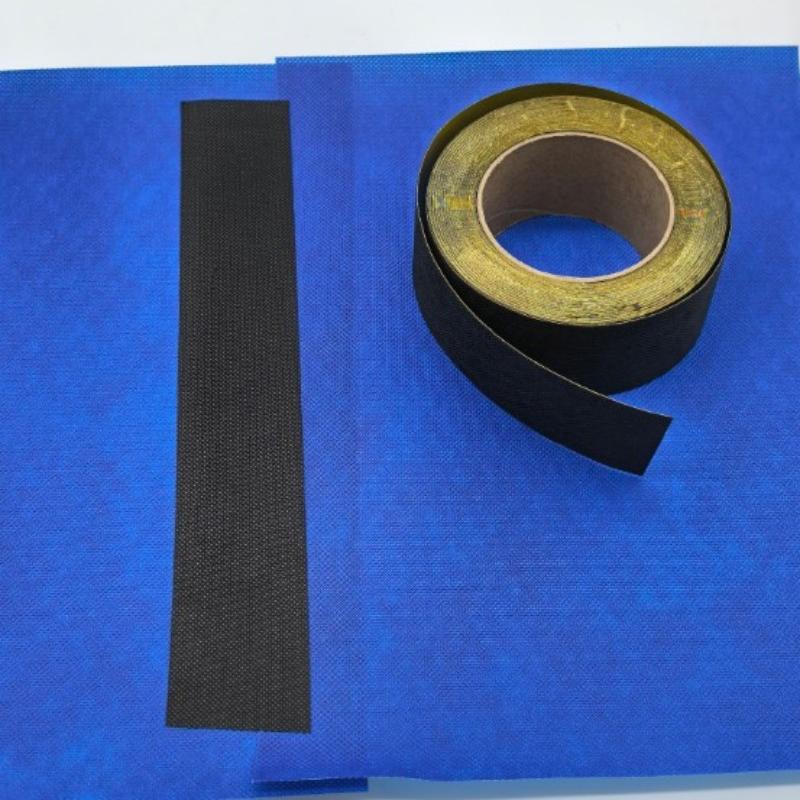
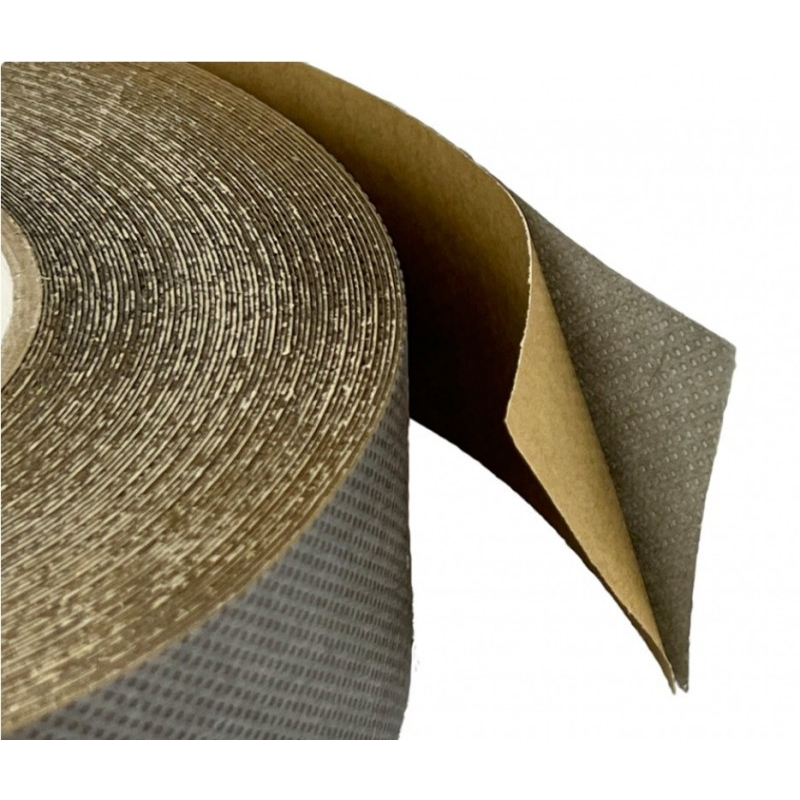
Building wrap tape is a purpose-made adhesive tape for sealing, joining, and repairing building wraps, housewrap, weather barriers, insulation sheets, and related exterior materials. A building wrap tape creates a continuous barrier across seams, overlaps, cuts, and penetrations, helping stop wind-driven rain and unwanted air movement from entering the wall assembly. It also helps the outer envelope work as planned while allowing indoor moisture to move outward when the selected system requires vapor control. Unlike general-purpose tape, building wrap tape is designed for construction surfaces and changing site conditions. The building wrap tape uses a pressure-sensitive adhesive that grips clean, dry substrates without requiring heat or special equipment. Many grades include a flexible film backing that follows corners, folds, and small surface changes. The building wrap tape may resist ultraviolet exposure for a defined installation period, giving contractors time to install cladding after the barrier is placed. Some versions offer strong initial tack, low-temperature performance, or easy hand tearing for faster work. The right building wrap tape should match the wrap material, climate, exposure period, and manufacturer instructions. Common applications include sealing horizontal and vertical laps, covering fastener points, treating window and door openings, closing service penetrations, and repairing accidental damage. On a new build, building wrap tape supports a neat, continuous installation. During renovation, it provides a practical way to restore protection around replacement windows, extensions, and repaired wall sections. In every case, building wrap tape turns separate sheets into a more reliable weather-resistant layer.

Popular Products

The main value of building wrap tape is simple: it helps crews close weak points before water and air can reach the wall structure. A dependable building wrap tape reduces the chance of open seams, lifted edges, and missed penetrations, so teams spend less time returning to correct preventable defects. That can lower labor cost and keep following trades on schedule. Because building wrap tape applies by hand, workers can seal many details with only a roller, knife, or clean glove. Strong tack helps the strip stay in position during installation, while a flexible backing can conform around corners and uneven transitions. This makes building wrap tape useful on walls, roofs, soffits, window frames, door openings, and service entries. The tape also simplifies quality checks: a visible, continuous strip gives supervisors an easy way to review overlaps and repairs. For buyers, building wrap tape protects a larger investment in the complete wall system. A small roll can prevent moisture intrusion, drafts, insulation performance loss, and later call-backs caused by poorly closed joints. It supports cleaner handover work because sealed details look orderly and remain protected beneath cladding. Application suitability matters when selecting building wrap tape. Check adhesion to the chosen membrane, temperature limits, exposure rating, width, backing strength, and expected movement. A product made for smooth films may not bond well to dusty masonry or rough wood. For cold, damp, or dusty sites, surface preparation still matters. The best building wrap tape balances grip, flexibility, handling, and durability rather than relying on one feature alone. Buyers should also confirm compatibility with primers, sealants, fasteners, and the wrap maker's warranty requirements. Used correctly, building wrap tape gives installers a practical, low-tool method for improving envelope continuity and reducing risk.

Latest News

Which house wrap brand offers the best balance of strength and price?

29

Jul

Which house wrap brand offers the best balance of strength and price?

Selecting the right house wrap is one of the most consequential decisions a builder or contractor makes during the construction envelope phase. The house wrap you choose affects moisture management, structural longevity, energy efficiency, and overal...
View More
What are the primary energy-saving advantages of a premium house wrap?

15

Jul

What are the primary energy-saving advantages of a premium house wrap?

A high-quality house wrap is one of the most cost-effective investments a builder or property owner can make when it comes to long-term energy efficiency. Installed beneath exterior cladding, a house wrap acts as a protective barrier that manages air...
View More
Which single sided tape offers the highest resistance to outdoor moisture?

17

Aug

Which single sided tape offers the highest resistance to outdoor moisture?

Selecting the right single sided tape for outdoor applications requires understanding how different adhesive formulations and backing materials perform under moisture exposure. When equipment, structures, or components face constant wet conditions, r...
View More
How to choose a membrana hidrofuga for low-slope residential roofs?

12

Oct

How to choose a membrana hidrofuga for low-slope residential roofs?

Selecting the right membrana hidrofuga for low-slope residential roofs is one of the most critical decisions in roof construction and renovation projects. A membrana hidrofuga serves as the primary defense against water infiltration, protecting struc...
View More

Get a Free Quote

Our representative will contact you soon.
Email
Name
Company Name
Message
0/1000

building wrap tape

Reliable Seam and Joint Protection

Reliable Seam and Joint Protection

A key strength of building wrap tape is its ability to turn overlapping sheets into a more continuous weather barrier. When installers place building wrap tape across a clean lap, it closes the narrow channel where wind and rain could otherwise enter. This matters most at horizontal joints, vertical seams, corners, and transitions between different materials. The adhesive grabs the surface quickly, helping the building wrap tape remain in place while the crew aligns the next layer or adds exterior cladding. A flexible backing can bridge minor gaps and follow folds without splitting, which supports consistent coverage across detailed areas. By using building wrap tape at planned seam locations, contractors protect insulation and interior finishes from avoidable exposure. The result is not just a sealed line; it is a more dependable wall assembly with fewer points that need inspection or repair. For project owners, this feature supports better durability and helps reduce moisture-related service concerns after completion.
Fast, Tool-Light Installation

Fast, Tool-Light Installation

Building wrap tape helps contractors work quickly without complex equipment or lengthy preparation. Most rolls apply directly from the hand, allowing workers to measure, cut, position, and press the material during normal membrane installation. This makes building wrap tape practical for small repairs as well as large commercial walls. Strong initial adhesion limits edge lift, while a backing that tears or cuts cleanly helps workers manage awkward lengths and tight openings. A roller can improve contact, but the basic process remains simple and easy to teach. The building wrap tape also supports faster progress around windows, doors, pipes, cables, and other penetrations where larger sheets cannot provide a complete seal. Less setup means fewer interruptions, easier movement on the scaffold, and better use of skilled labor. Since the tape creates a clear visual finish, foremen can review work as the crew moves along. These handling benefits can improve daily output while reducing waste from poorly positioned strips.
Durable Performance Across Site Conditions

Durable Performance Across Site Conditions

A quality building wrap tape is selected to keep working after installation, not merely to stick during the first hour. Its adhesive and film should suit the expected temperature range, sunlight exposure, moisture level, and movement of the wall system. When the specification calls for temporary exposure, building wrap tape with suitable ultraviolet resistance gives crews more scheduling flexibility before cladding is installed. Flexible construction helps the building wrap tape accommodate small shifts caused by thermal change, vibration, or material movement without losing contact. This is valuable on renovations, additions, and mixed-material junctions where surfaces rarely behave in exactly the same way. The tape also helps protect vulnerable areas during the transition between rough construction and final exterior work. Buyers gain clearer product confidence when performance limits, substrate compatibility, and installation guidance are stated plainly. Choosing the correct building wrap tape can therefore support fewer failures, fewer repeat visits, and a more stable envelope over the service life of the project.

Get a Free Quote

Our representative will contact you soon.
Email
Name
Company Name
Message
0/1000