House Wrap Tape for Reliable Building Seals

house wrap tape

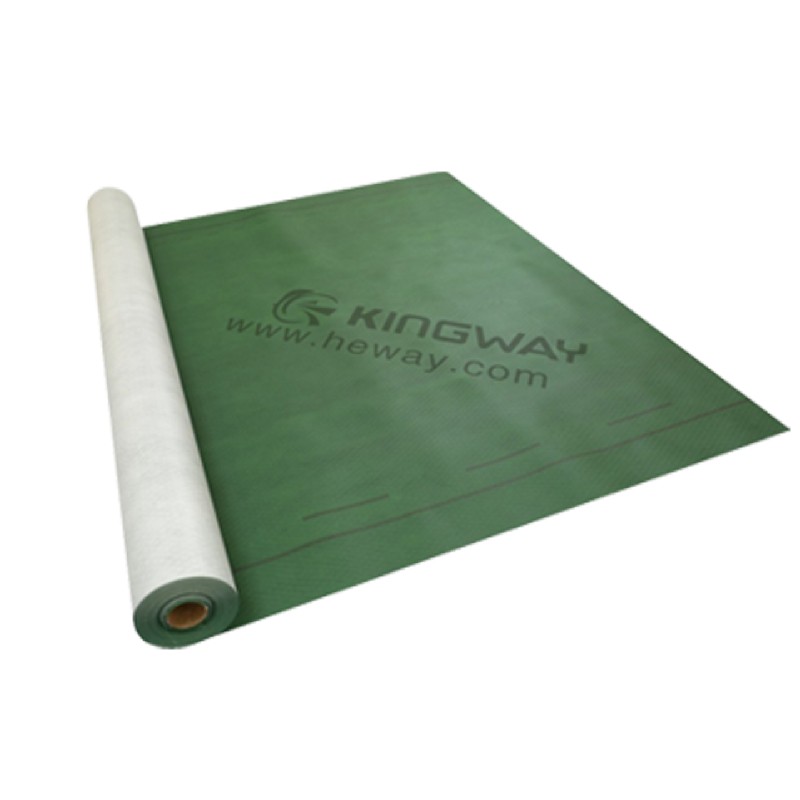
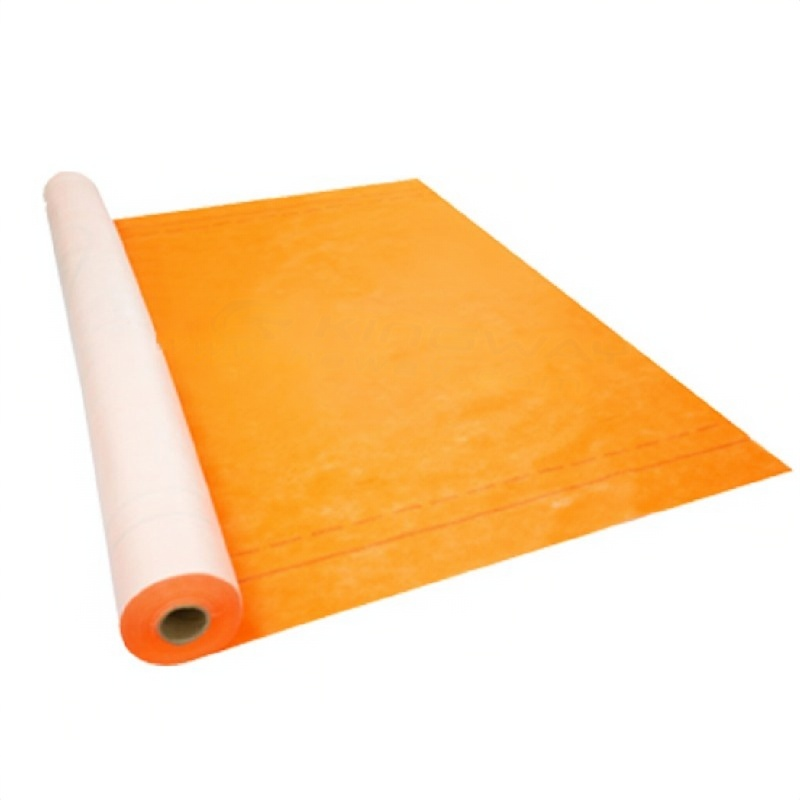
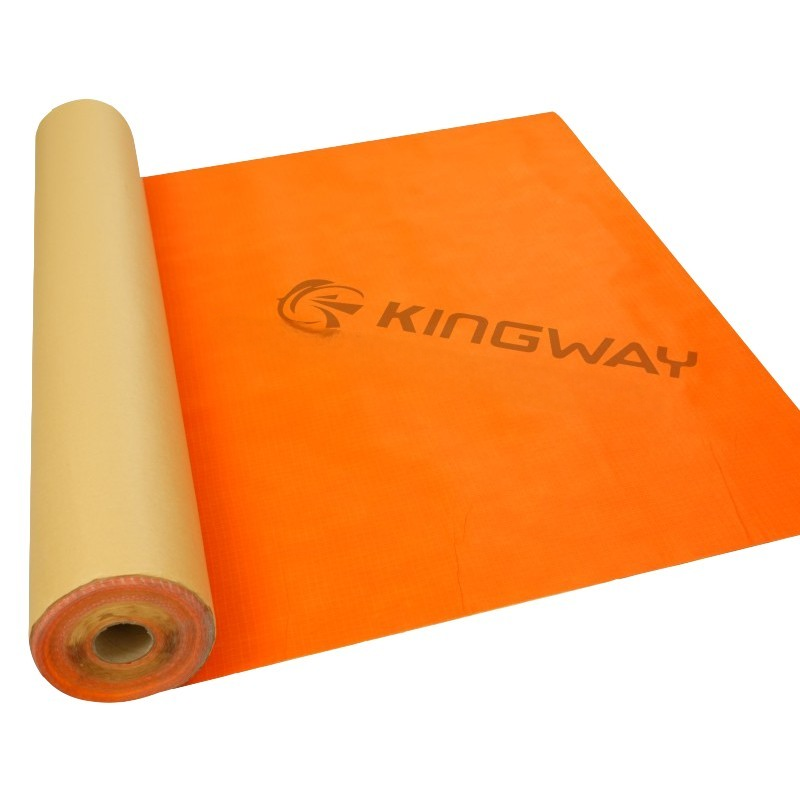
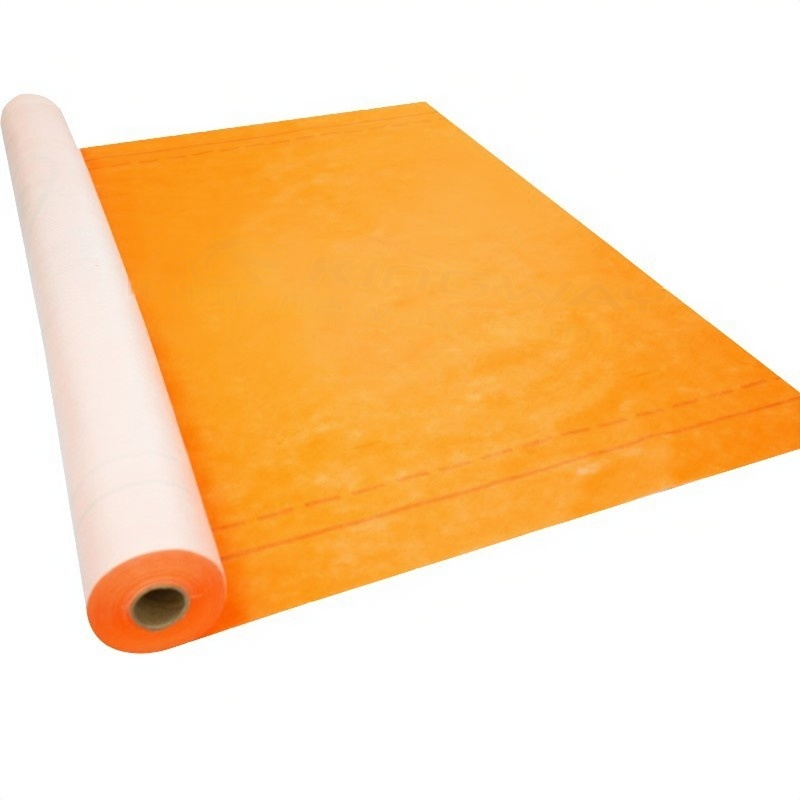
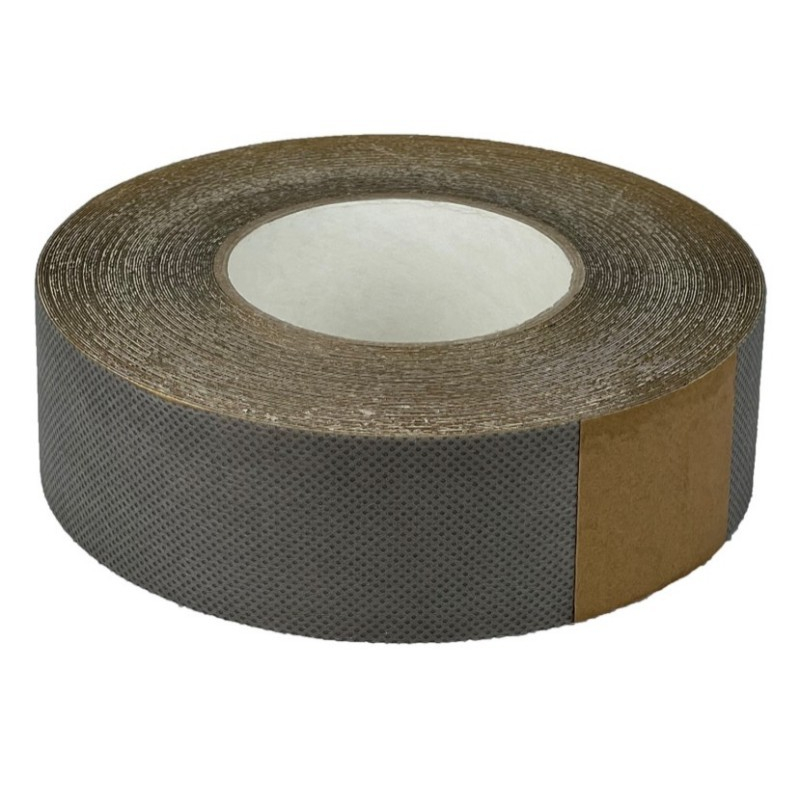
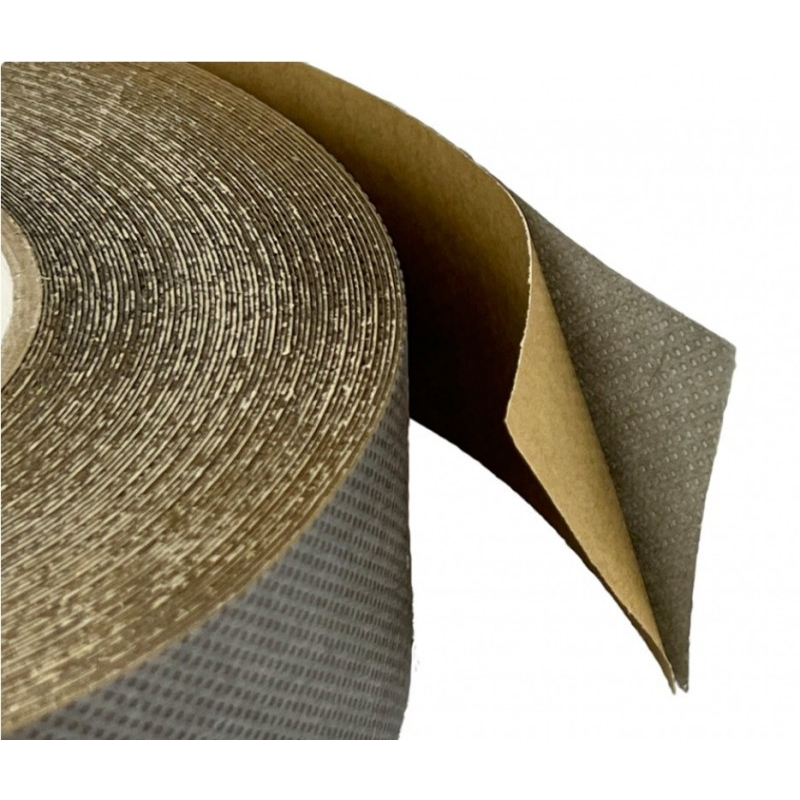
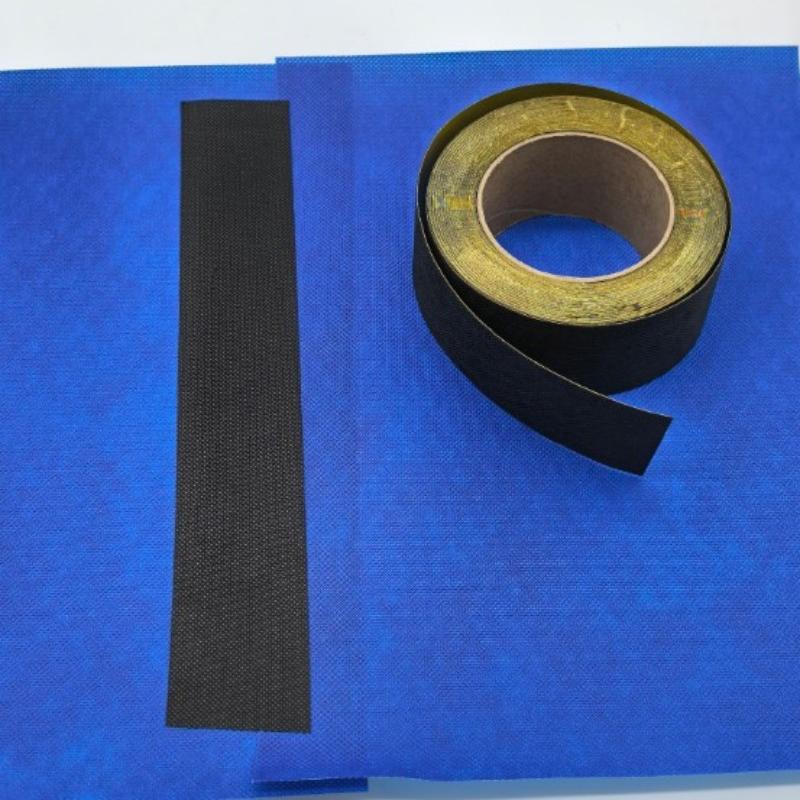
House wrap tape is a pressure-sensitive sealing tape designed to join, repair, and protect house wrap, weather-resistive barriers, and related building membranes. It creates a continuous layer that helps stop wind-driven rain, dust, and unwanted air from entering through seams, overlaps, cuts, and fastening points. A reliable house wrap tape also supports better control of moisture movement around the exterior wall system, helping the wall remain durable during changing weather. Most products use a strong adhesive backed by a flexible film or reinforced carrier. This construction allows the house wrap tape to follow small surface movements without losing contact. Many grades include a weather-resistant backing that tolerates sunlight, rain, temperature changes, and jobsite handling. Some versions offer a low-temperature adhesive for cold-weather installation, while others provide high tack for quick bonding to textured or slightly uneven surfaces. The right house wrap tape can be applied by hand, pressed with a seam roller, and trimmed with a knife or scissors. It works on common house wrap materials, flashing membranes, sheathing, and compatible construction films, but installers should confirm surface compatibility before use. In practical terms, house wrap tape gives builders a simple way to protect the building envelope at vulnerable joints. It helps reduce callbacks, supports code-conscious installation, and keeps sealing work organized. Whether used for new construction, remodeling, or small repairs, house wrap tape improves continuity between membrane sections and helps preserve the intended performance of the wall assembly. Product width, thickness, adhesive type, exposure rating, and roll length should guide purchasing decisions.

New Products

The main advantage of house wrap tape is straightforward installation. Workers can cover a seam quickly without mixing compounds, heating materials, or carrying bulky equipment. A firm press usually activates the adhesive, so crews can maintain steady progress across large elevations. This saves labor time and makes the house wrap tape useful when schedules are tight or weather windows are short. The product also helps turn separate membrane sheets into one more continuous protective layer. By sealing overlaps and small punctures, the house wrap tape limits pathways for drafts and water. That practical protection can support more comfortable interiors, lower repair risk, and a longer service life for the wall system. For buyers, a dependable house wrap tape can reduce waste because one roll handles routine seams, patches, and detail work. Consistent adhesion also lowers the chance that an edge will lift before cladding is installed. This gives contractors a cleaner handoff to later trades and reduces the need to revisit completed walls. Application suitability depends on the project. A smooth, high-tack grade may suit standard membranes and sheathing, while a flexible grade may perform better around corners, penetrations, and irregular cuts. For cold regions, select an adhesive rated for low installation temperatures. For exposed construction phases, check the approved UV and weather exposure period. Buyers should compare roll length, width, backing strength, peel performance, and compatibility rather than choosing only by price. Easy tearing may benefit fast work, while a thicker carrier may offer better puncture resistance. Clear labeling, reliable packaging, and consistent release liners also improve jobsite handling. In short, house wrap tape adds practical sealing performance, predictable workflow, and useful protection with a modest material cost.

Latest News

What are the primary energy-saving advantages of a premium house wrap?

15

Jul

What are the primary energy-saving advantages of a premium house wrap?

A high-quality house wrap is one of the most cost-effective investments a builder or property owner can make when it comes to long-term energy efficiency. Installed beneath exterior cladding, a house wrap acts as a protective barrier that manages air...
View More
Why is a commercial-grade house wrap essential for modern facades?

08

Jul

Why is a commercial-grade house wrap essential for modern facades?

Modern building facades face constant exposure to wind-driven rain, temperature swings, and moisture intrusion. A high-performance house wrap addresses all of these challenges simultaneously. When construction teams install a commercial-grade house w...
View More
Can our certified airtight tape help buildings pass green certifications?

22

Sep

Can our certified airtight tape help buildings pass green certifications?

Green building certifications represent a significant commitment to environmental responsibility and energy efficiency. Buildings pursuing these certifications must meet rigorous performance standards that often include air leakage control as a criti...
View More
Can a premium roofing underlayment extend your total roof warranty?

28

Sep

Can a premium roofing underlayment extend your total roof warranty?

Your roof is one of the most critical investments in your home or commercial property, and protecting that investment goes far beyond the shingles or tiles you see from the ground. Many property owners overlook the crucial role that roofing underlaym...
View More

Get a Free Quote

Our representative will contact you soon.
Email
Name
Company Name
Message
0/1000

house wrap tape

Strong Adhesion for Continuous Sealing

Strong Adhesion for Continuous Sealing

A key selling point of house wrap tape is its ability to hold firmly across seams, overlaps, and repair areas. The adhesive forms contact with the membrane as pressure is applied, helping the tape stay in place during cladding work and normal wall movement. This matters because a lifted edge can create a small opening that weakens the whole weather barrier. A dependable house wrap tape gives installers confidence that routine joints will remain sealed after the crew moves to the next task. Its flexible backing can follow minor shifts, surface contours, and carefully folded corners without cracking easily. The result is a neater installation with fewer loose ends and less need for corrective work. Strong adhesion also helps during windy conditions, when exposed sheets can pull against taped connections. Contractors gain a practical balance of speed and security, while property owners benefit from better protection against air leakage and wind-driven moisture. Always clean dusty surfaces and apply firm, even pressure for the best bond.
Weather and Temperature Readiness

Weather and Temperature Readiness

Construction rarely happens under perfect conditions, so house wrap tape must cope with changing temperatures and temporary exposure. A well-designed house wrap tape uses a backing and adhesive selected to resist rain, sunlight, humidity, and daily temperature swings. This helps protect sealed joints while the exterior remains open before siding, brick, or another finish is installed. Cold-weather performance is especially valuable for winter projects, because weak adhesion can delay work or force expensive touch-ups. Some products remain workable at low temperatures, while others are intended for warmer installation conditions. Buyers should read the stated application range and permitted exposure period instead of assuming every roll performs the same way. Weather-ready performance helps crews plan with fewer interruptions and gives builders more confidence in the completed envelope. It can also reduce material loss caused by failed seams after a sudden shower or temperature drop. When the tape matches the site conditions, it supports reliable sealing from the first installation day through the final cladding stage.
Versatile Use Across Building Details

Versatile Use Across Building Details

House wrap tape provides value beyond long straight seams. Installers can use it to seal overlaps, cover small tears, reinforce staple lines, and close around selected wall penetrations when the product instructions permit those uses. Its flexibility makes detail work easier near windows, doors, corners, pipes, and electrical openings. A suitable house wrap tape can also support repair work during remodeling, when existing membranes may have limited access and uneven cuts. Different widths help match the task: narrow rolls suit small patches and tight areas, while wider rolls can cover broad overlaps with fewer passes. A tearable or easy-to-cut backing saves time, and a visible carrier can help workers check coverage before the wall is closed. This versatility reduces the number of specialty materials a crew must carry and simplifies purchasing for recurring projects. It also helps maintain consistent sealing practices across a job. Before application, confirm that the tape bonds to the membrane, sheathing, flashing, and other surfaces involved in the design. Correct selection turns one practical roll into a useful tool for both new construction and maintenance.

Get a Free Quote

Our representative will contact you soon.
Email
Name
Company Name
Message
0/1000