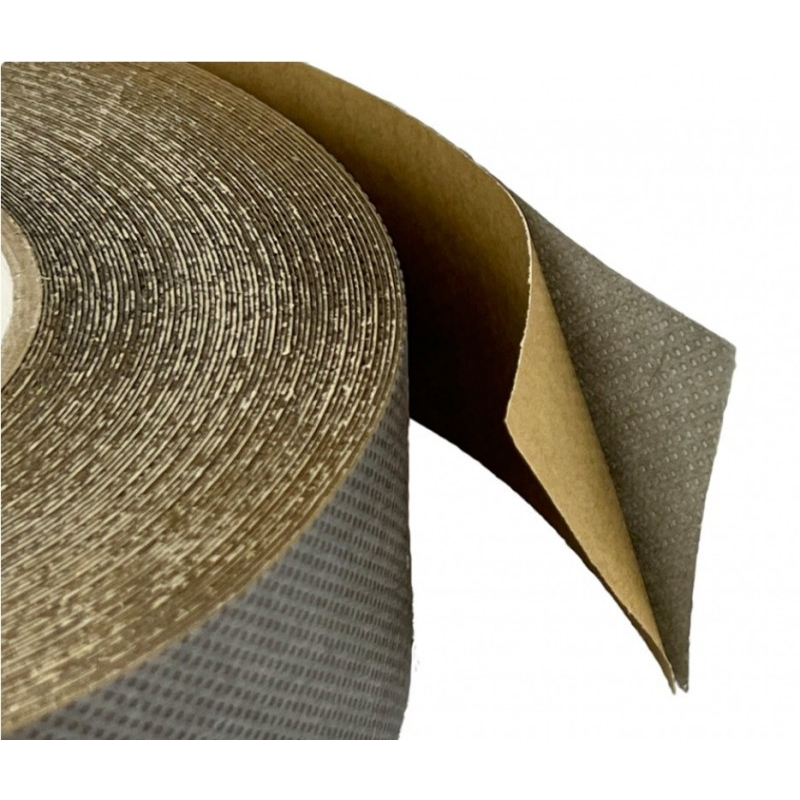
Insulation Seam Tape for Reliable Sealing

insulation seam tape

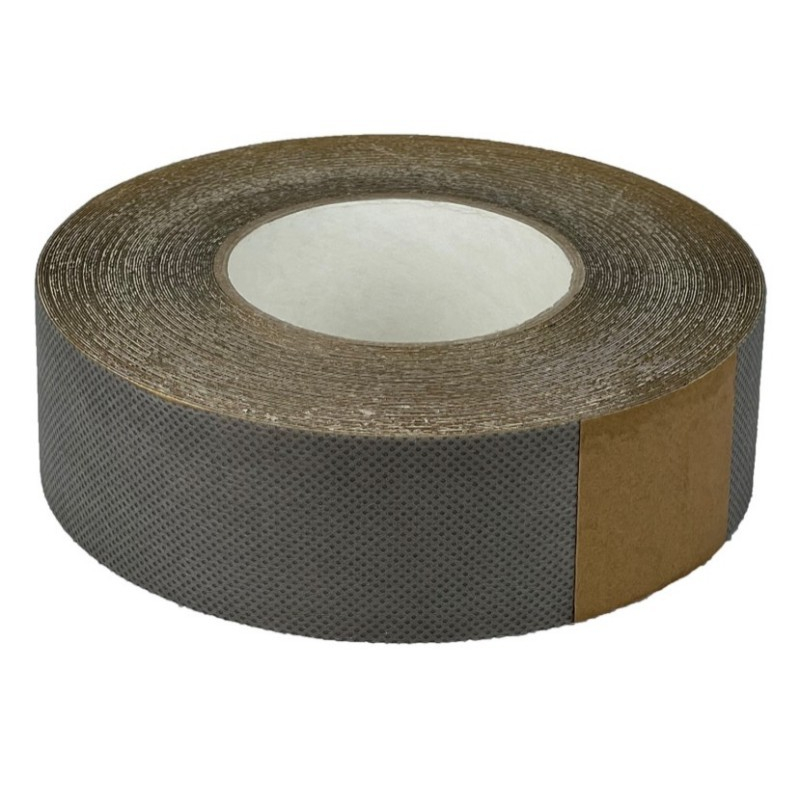
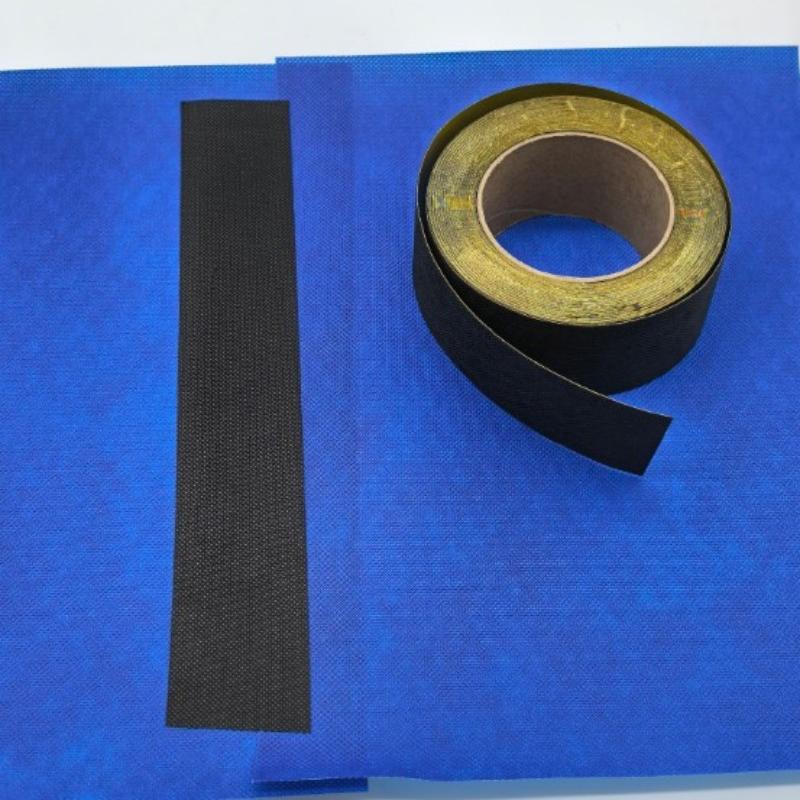
Insulation seam tape is a purpose-built adhesive tape for joining, sealing, and protecting insulation materials. It creates a continuous barrier over seams, overlaps, joints, and edge areas where heat, moisture, air, or dust could pass through. By covering weak points, insulation seam tape helps maintain the designed performance of an insulation system and supports a cleaner, more durable finish. It works with common insulation products such as foam boards, foil-faced panels, reflective layers, fiberglass coverings, duct insulation, and flexible thermal wraps. The tape usually combines a strong adhesive layer with a flexible backing that can follow straight lines, corners, curves, and uneven surfaces. Many insulation seam tape products use aluminum foil, reinforced film, or coated paper to improve strength and resistance to heat, humidity, light, and handling. Some versions include pressure-sensitive adhesive, allowing quick application without separate glue, heat tools, or complicated equipment. A suitable insulation seam tape should bond firmly to the selected insulation surface, remain stable across the expected temperature range, and resist lifting at the edges. Installers can trim it with standard cutting tools and press it into place by hand or with a roller. In building, HVAC, industrial, refrigeration, and transport projects, insulation seam tape helps close gaps, reduce air leakage, protect exposed joints, and support long-term system reliability. Product selection should consider surface type, temperature, moisture exposure, tape width, backing strength, and required service life.

Popular Products

The main advantage of insulation seam tape is simple, reliable sealing without adding a complicated installation step. An installer can measure, cut, position, and press the tape over a joint, often using basic hand tools. This saves labor compared with methods that require wet adhesives, mechanical fasteners, or extended curing time. Insulation seam tape also helps buyers protect the performance of materials already installed. When seams stay closed, the system has fewer paths for air movement and moisture entry. That can support steadier indoor temperatures, lower energy waste, and better control of condensation. In HVAC work, insulation seam tape helps create cleaner duct insulation joints and reduces the chance that exposed edges will loosen during service. In construction, it gives panels and wraps a finished appearance while helping prevent damage during later work. A flexible insulation seam tape can suit flat panels, narrow overlaps, curved pipes, and irregular transitions, making it useful across multiple project types. Foil-backed options can provide a durable outer layer that withstands light exposure, moderate heat, and routine handling. Reinforced versions offer extra tear resistance where installers pull, reposition, or work around corners. Buyers can also choose widths and adhesive strengths based on the joint size and surface condition. The right insulation seam tape reduces rework because it stays in place when properly applied to a clean, dry surface. It supports faster completion, easier inspection, and consistent results across large areas. Before purchase, confirm compatibility with the insulation facing, expected temperature, humidity level, and intended indoor or outdoor use. This practical check helps customers select a tape that delivers dependable value rather than paying for features they do not need.

Tips And Tricks

Why is a commercial-grade house wrap essential for modern facades?

08

Jul

Why is a commercial-grade house wrap essential for modern facades?

Modern building facades face constant exposure to wind-driven rain, temperature swings, and moisture intrusion. A high-performance house wrap addresses all of these challenges simultaneously. When construction teams install a commercial-grade house w...
View More
Can a professional single sided tape prevent costly air leakage?

24

Aug

Can a professional single sided tape prevent costly air leakage?

Air leakage represents one of the most significant sources of energy loss in modern construction projects, yet many builders and contractors overlook the critical role that proper sealing plays in preventing this waste. A professional single sided ta...
View More
Can our certified airtight tape help buildings pass green certifications?

22

Sep

Can our certified airtight tape help buildings pass green certifications?

Green building certifications represent a significant commitment to environmental responsibility and energy efficiency. Buildings pursuing these certifications must meet rigorous performance standards that often include air leakage control as a criti...
View More
Can high-quality membrana hidrofuga improve warehouse climate control?

19

Oct

Can high-quality membrana hidrofuga improve warehouse climate control?

Warehouse climate control is critical to protecting inventory, extending product lifespan, and maintaining operational efficiency. Environmental factors like humidity, moisture infiltration, and temperature fluctuations can damage goods, reduce produ...
View More

Get a Free Quote

Our representative will contact you soon.
Email
Name
Company Name
Message
0/1000

insulation seam tape

Strong, Continuous Joint Protection

Strong, Continuous Joint Protection

Insulation seam tape turns separate insulation sections into a more complete protective layer by covering the line where materials meet. This matters because seams often become the first location for air leakage, moisture entry, edge damage, or visible gaps. When applied correctly, insulation seam tape forms a close seal across overlaps and joints, helping the insulation maintain its intended function. The backing provides a stable surface that can shield the underlying material from routine handling, dust, and minor abrasion. For customers, this means fewer exposed edges and a more professional installation appearance. The tape also helps simplify inspection because sealed joints are easy to identify and check. In maintenance work, technicians can use insulation seam tape to reinforce aging connections or close small openings without replacing an entire section. Its value is especially clear on long runs of duct, board, or wrap where many individual joints must remain consistent. A dependable seal supports system durability and reduces the likelihood of frequent touch-ups.
Fast Application With Less Labor

Fast Application With Less Labor

Insulation seam tape is designed to make sealing work direct and repeatable. The installer can cut a suitable length, remove the release liner when provided, align the tape, and apply pressure across the surface. This straightforward process reduces dependence on specialist equipment and allows work to continue without waiting for liquid adhesive to dry. Insulation seam tape is therefore useful when a project has tight schedules, restricted access, or many joints to complete. A flexible backing can adapt to moderate curves and surface changes, while a pressure-sensitive adhesive helps the tape grip after firm contact. Roll formats also make it easy to carry material through a building, plant, vehicle, or service area. Faster application can lower labor costs and reduce disruption for occupants or production teams. Consistent tape width helps create uniform seams across repeated installations, improving both appearance and quality control. For buyers, the practical benefit is a simple product that can help crews complete more sealing work in less time while keeping the installation process easy to train and supervise.
Reliable Performance Across Applications

Reliable Performance Across Applications

A key selling point of insulation seam tape is its ability to support different insulation systems and working environments. Depending on the construction, customers can select a foil-faced, reinforced, film-backed, or high-temperature version. This choice lets the product match the surface and conditions instead of forcing one tape to handle every task. Insulation seam tape can serve residential walls, commercial roofs, ventilation ducts, chilled equipment, hot pipes, storage units, vehicles, and industrial enclosures. The correct backing can reflect heat, resist tearing, or provide added protection against humidity and light. Adhesive selection also matters: some projects need strong initial grip, while others require stable bonding during temperature changes. Insulation seam tape helps protect joints in locations that are difficult to access after installation, reducing the need for future repair visits. Buyers should review temperature ratings, surface compatibility, width, and exposure limits before ordering. When those details match the application, the tape offers dependable sealing, cleaner workmanship, and better use of the insulation system over time.

Get a Free Quote

Our representative will contact you soon.
Email
Name
Company Name
Message
0/1000