Roof Underlayment Tape for Reliable Sealing

roof underlayment tape

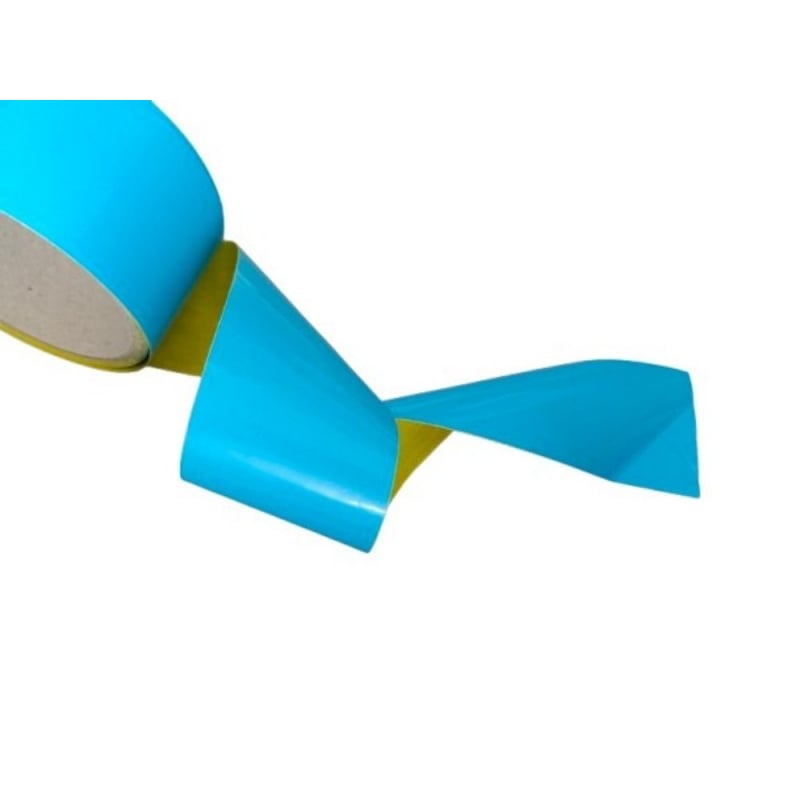
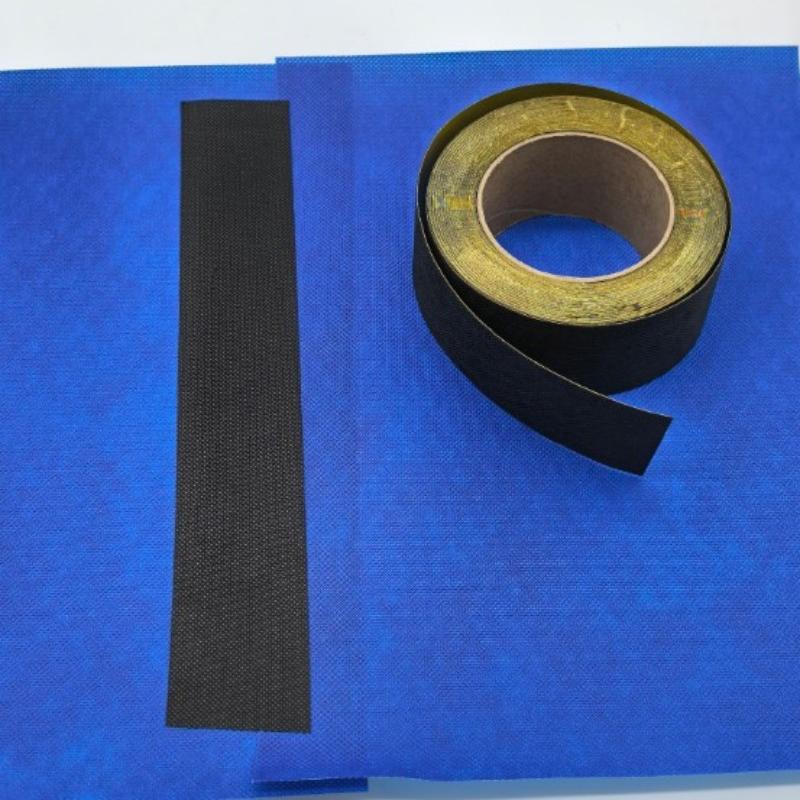
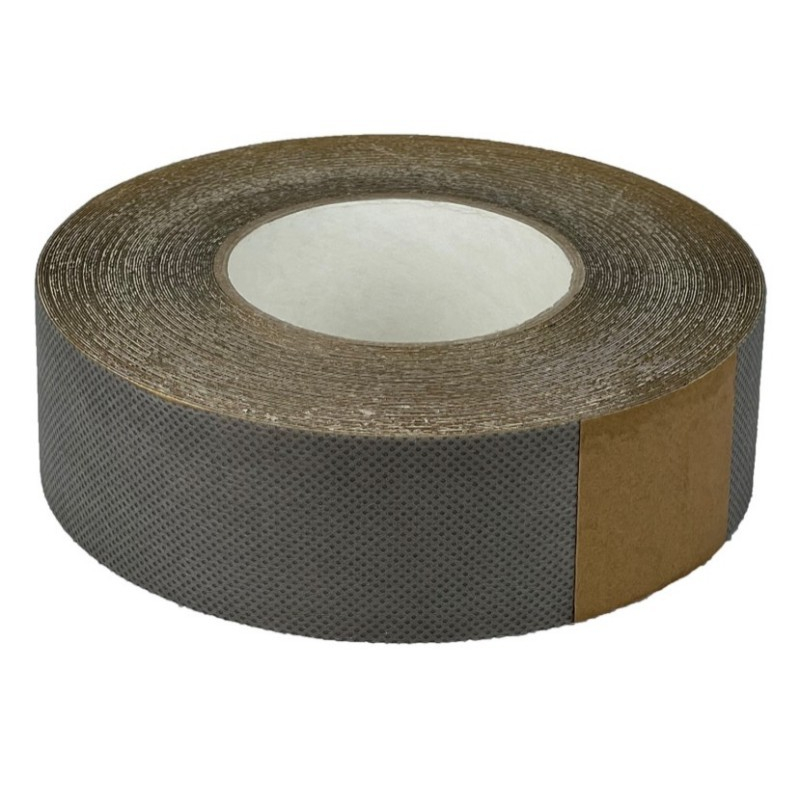
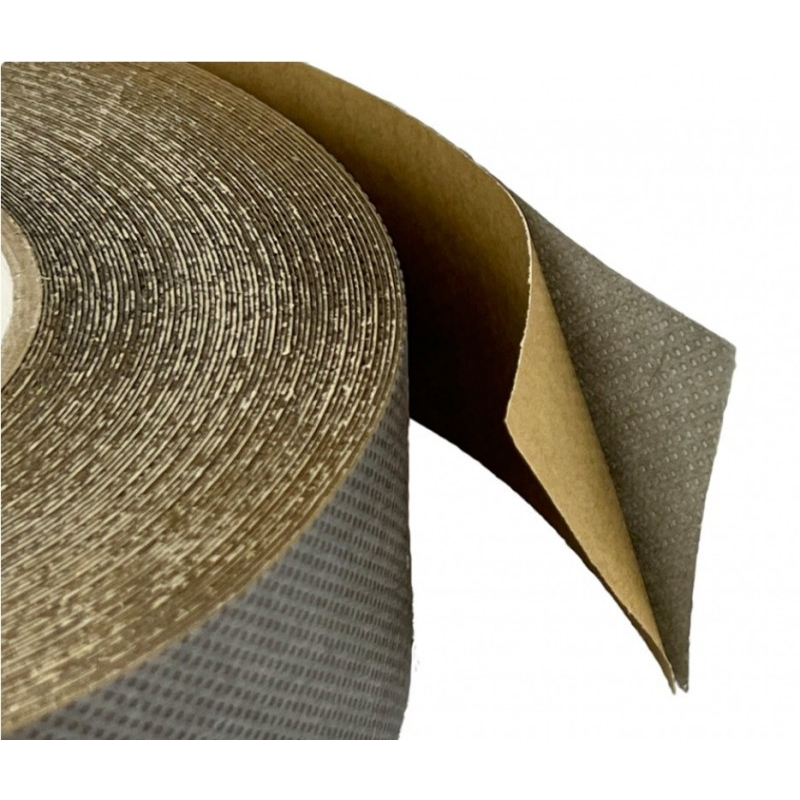
Roof underlayment tape is a self-adhesive sealing material used to protect the layer beneath shingles, tiles, metal panels, or other roof coverings. A roof underlayment tape closes overlaps, joins, nail points, and small penetrations so water cannot easily reach the roof deck. It also helps maintain the continuity of synthetic sheets, felt, and waterproof membranes during installation. Unlike general-purpose tape, roof underlayment tape is designed for outdoor exposure, changing temperatures, and contact with common roofing materials. Most products use a pressure-sensitive adhesive that bonds when installers press the tape onto a clean, dry surface. Some versions include a split release liner, reinforced backing, or a flexible film that conforms to uneven areas. A quality roof underlayment tape can support temporary weather protection while the roofing crew completes the covering. It can also provide a long-term seal when the manufacturer approves the product for permanent use. Roof underlayment tape is available in different widths, thicknesses, colors, and adhesive strengths. Narrow rolls suit seams and detail work, while wider roof underlayment tape covers larger overlaps with fewer joints. The material works across many roof designs, including pitched residential roofs, low-slope sections, sheds, garages, and commercial buildings. Before selection, buyers should check surface compatibility, temperature limits, exposure ratings, roll length, and installation instructions. Used correctly, roof underlayment tape creates a cleaner, more reliable barrier with less reliance on liquid sealants or mechanical fasteners. It offers a practical way to strengthen vulnerable points without adding significant weight or complicated equipment.
New Product Recommendations

The main advantage of roof underlayment tape is simple: it helps stop water at the places where roofing layers meet. A secure seal around overlaps and fasteners reduces the chance of leaks, deck damage, mold, and expensive repairs. Roof underlayment tape also saves labor because installers can cut, position, and press it into place without mixing chemicals or carrying bulky tools. The pressure-sensitive bond supports quick work on residential repairs, new construction, and maintenance projects. Many rolls have a liner that peels away cleanly, helping crews apply roof underlayment tape with accurate placement and minimal waste. Flexible backing allows the material to follow small curves, folds, and surface changes rather than lifting at the edges. This makes roof underlayment tape useful around valleys, eaves, ridges, skylights, vents, chimneys, wall transitions, and other detail areas. It can improve jobsite organization as well: one compact roll replaces several temporary sealing methods and reduces the need for repeated touch-ups. Buyers should match the product to the substrate, climate, and expected exposure. A roof underlayment tape rated for cold weather remains easier to handle during winter work, while a heat-resistant option suits hot roof surfaces. Strong adhesion can support lasting performance, but the surface still needs to be clean, dry, and free from dust or oil. Roof underlayment tape may also reduce wind-driven rain entry when used according to the installation guide. Its practical value comes from combining water resistance, simple handling, and broad application suitability. For contractors, that can mean faster installation and fewer callbacks. For property owners, roof underlayment tape provides a visible, manageable step toward a more dependable roof system. Always confirm whether the chosen product is intended as a primary seal, supplemental protection, or temporary cover.

Latest News

What are the unique advantages of a heavy-duty building tape?

01

Jul

What are the unique advantages of a heavy-duty building tape?

When construction professionals evaluate bonding and sealing materials for demanding projects, heavy-duty building tape consistently stands out as a reliable and versatile solution. Unlike standard adhesive tapes, heavy-duty building tape is engineer...
View More
Why is a certified waterproof breathable membrane worth investing in?

20

Aug

Why is a certified waterproof breathable membrane worth investing in?

A waterproof breathable membrane represents a critical investment for any construction or building renovation project. Unlike simple plastic barriers, this engineered material serves dual purposes that directly impact structural longevity, occupant c...
View More
Can high-quality membrana hidrofuga improve warehouse climate control?

19

Oct

Can high-quality membrana hidrofuga improve warehouse climate control?

Warehouse climate control is critical to protecting inventory, extending product lifespan, and maintaining operational efficiency. Environmental factors like humidity, moisture infiltration, and temperature fluctuations can damage goods, reduce produ...
View More
Why is our factory-direct roofing underlayment a top global choice?

27

Oct

Why is our factory-direct roofing underlayment a top global choice?

The construction industry demands materials that combine durability, affordability, and proven performance. Roofing underlayment has become an essential component in modern building projects, serving as a critical barrier between the roof deck and th...
View More

Get a Free Quote

Our representative will contact you soon.
Email
Name
Company Name
Message
0/1000

roof underlayment tape

Reliable Sealing at Vulnerable Joints

Reliable Sealing at Vulnerable Joints

Roof underlayment tape targets the weak points that ordinary roof layers cannot fully protect. Seams, end laps, fastener heads, corners, and penetrations can allow water beneath the covering, especially during wind-driven rain. Applied over these areas, roof underlayment tape creates a continuous adhesive barrier that supports the underlayment's water-shedding function. Its strong bond helps hold edges flat, reducing channels where moisture can collect. Roof underlayment tape also limits movement caused by temperature changes, which helps preserve the seal as materials expand and contract. This feature gives contractors a practical way to reinforce details without adding another complicated installation step. For homeowners, the benefit is extra confidence before the final roof covering goes on. Roof underlayment tape works particularly well around chimneys, vents, skylights, valleys, and wall intersections where careful sealing matters most. Selecting the correct width can improve coverage and reduce overlapping patches. When installers follow surface preparation and pressure requirements, roof underlayment tape delivers a neat, consistent finish that supports dependable moisture control.
Fast Application With Less Jobsite Effort

Fast Application With Less Jobsite Effort

Roof underlayment tape helps crews complete detail work quickly because it arrives ready to apply. Installers generally measure, cut, remove the release liner, and press the material onto the target area. This simple process makes roof underlayment tape a useful choice when time, labor, or access is limited. There is no curing period, mixing container, brush, or special dispensing machine. A roll can travel easily across a roof and support repairs as well as full installations. Roof underlayment tape also allows precise patching, so workers can reinforce a problem area without replacing a larger section of underlayment. Flexible backing makes it easier to form the seal around transitions and modest surface irregularities. For small teams, these handling advantages can improve productivity while reducing material waste. Roof underlayment tape can also simplify quality checks because the covered seam remains easy to see during installation. Customers gain a cleaner process, shorter disruption, and more predictable labor costs. As with any adhesive product, workers should apply roof underlayment tape to a prepared surface and use firm, even pressure for the best result.
Outdoor Durability Across Roof Applications

Outdoor Durability Across Roof Applications

A key value of roof underlayment tape is its ability to support roofing work in demanding outdoor conditions. Quality products are developed to handle moisture, sunlight, wind, and repeated temperature changes within their stated limits. This durability makes roof underlayment tape suitable for new roofs, reroofing, emergency repairs, garages, sheds, extensions, and commercial structures. Different formulations can serve synthetic underlayment, roofing felt, metal details, wood-based decks, and compatible membranes. Roof underlayment tape may remain flexible after installation, helping the seal accommodate normal building movement instead of cracking or pulling away. Buyers can choose narrow rolls for precise detailing or wider formats for broad overlaps and faster coverage. Roof underlayment tape also supports phased projects by helping protect exposed sections before shingles, tiles, or panels are installed. That temporary protection can reduce weather-related risk during construction. For long-term use, customers should verify the product's exposure rating and compatibility with the selected roof system. When the specification is correct, roof underlayment tape adds durable protection without substantial weight, complex equipment, or major changes to the installation method.

Get a Free Quote

Our representative will contact you soon.
Email
Name
Company Name
Message
0/1000