Roofing Underlayment Membrane Guide

roofing underlayment membrane

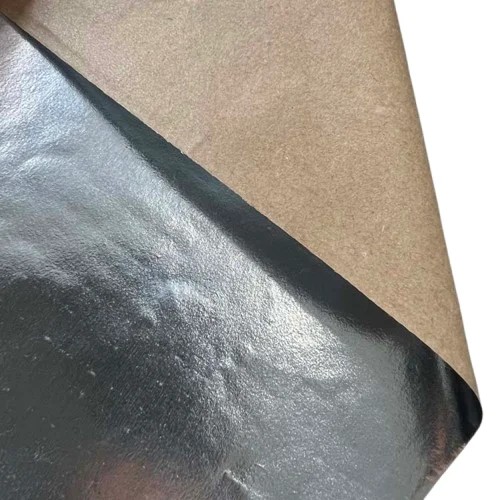
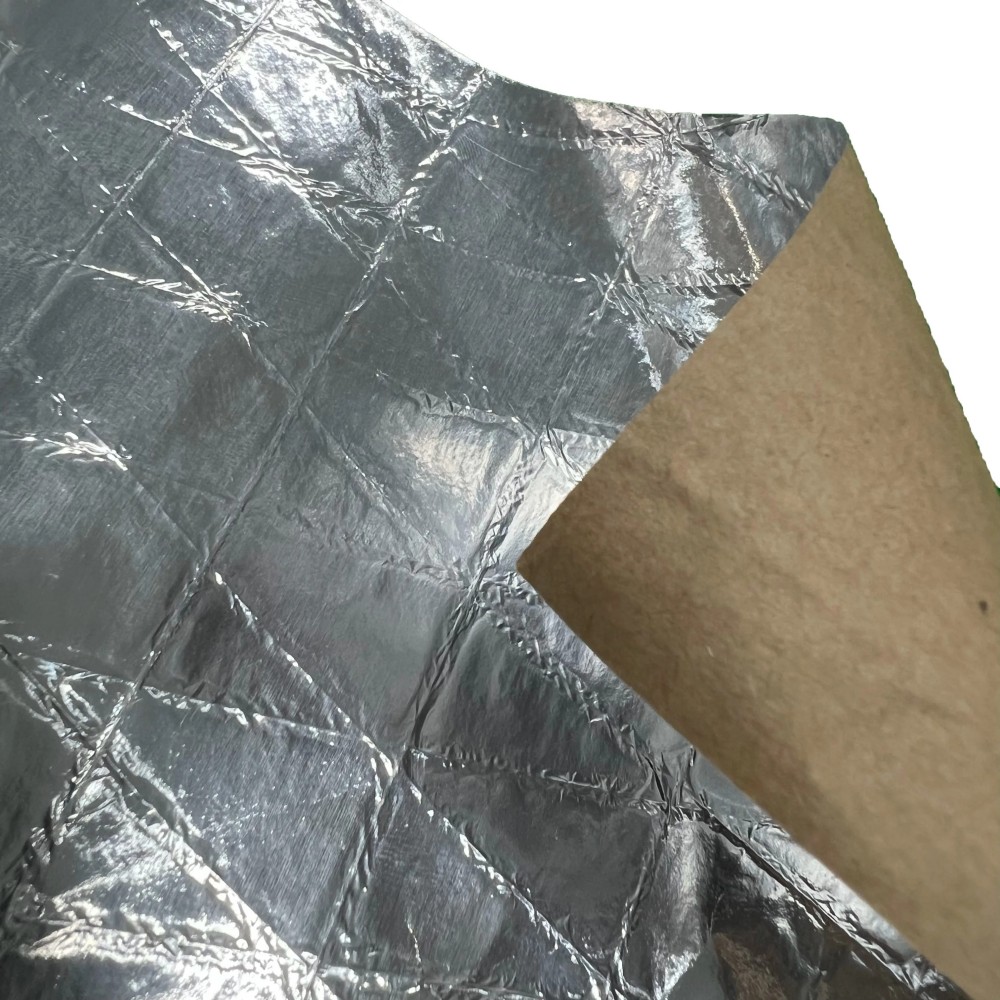
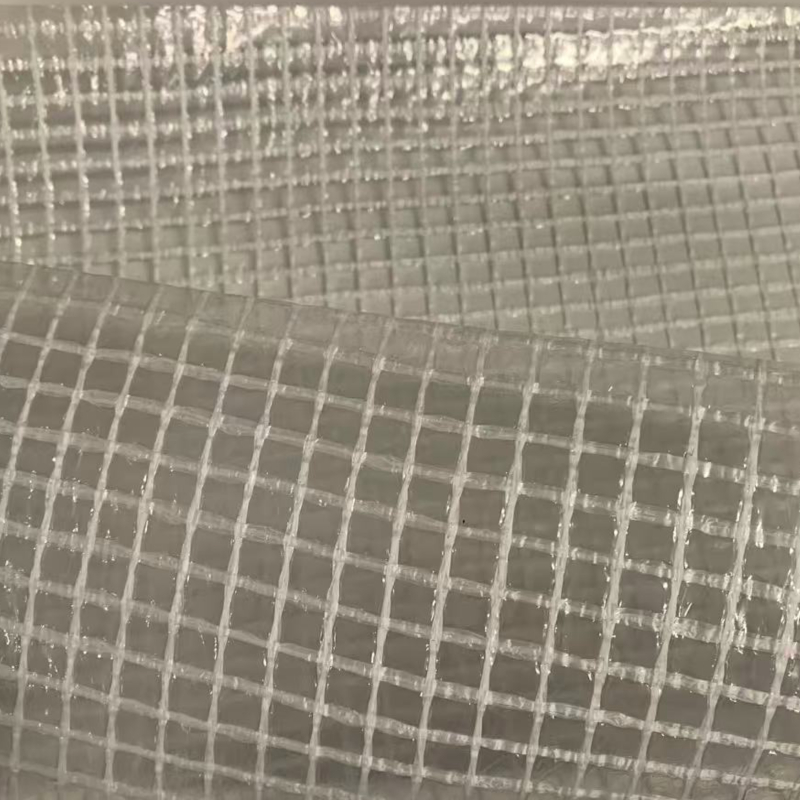
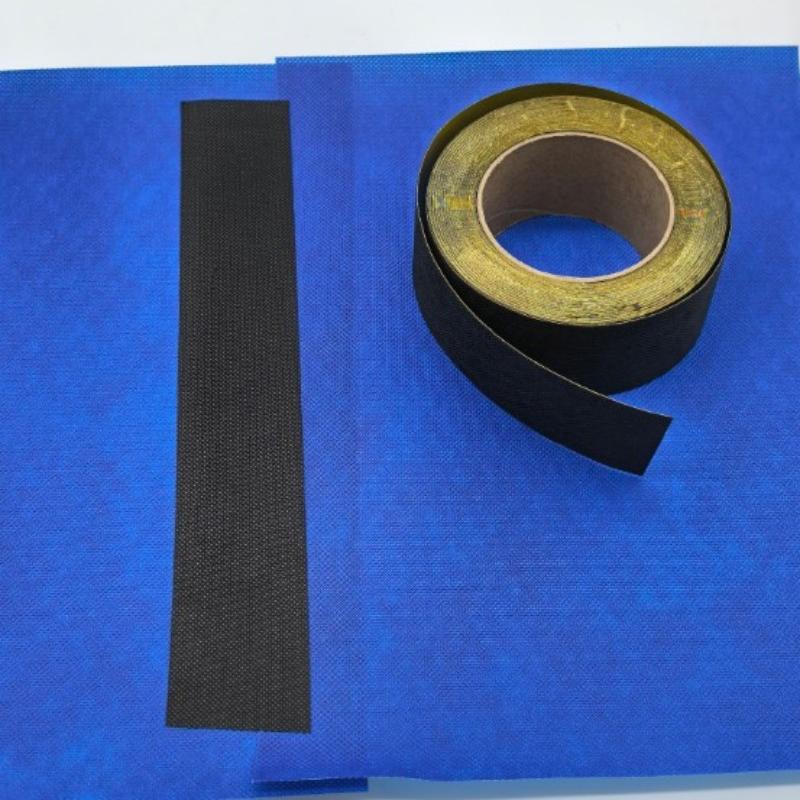
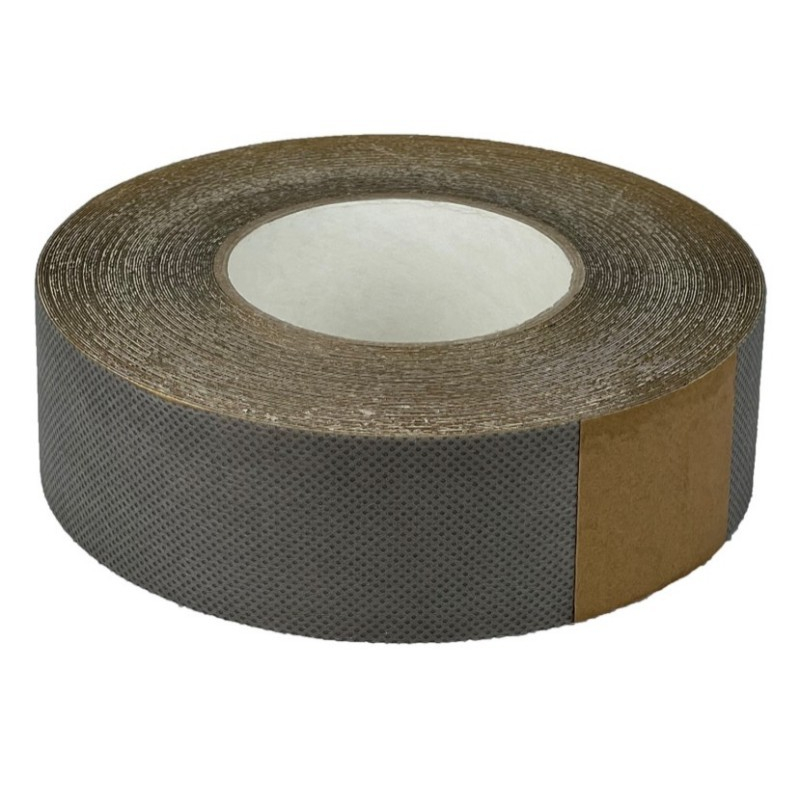
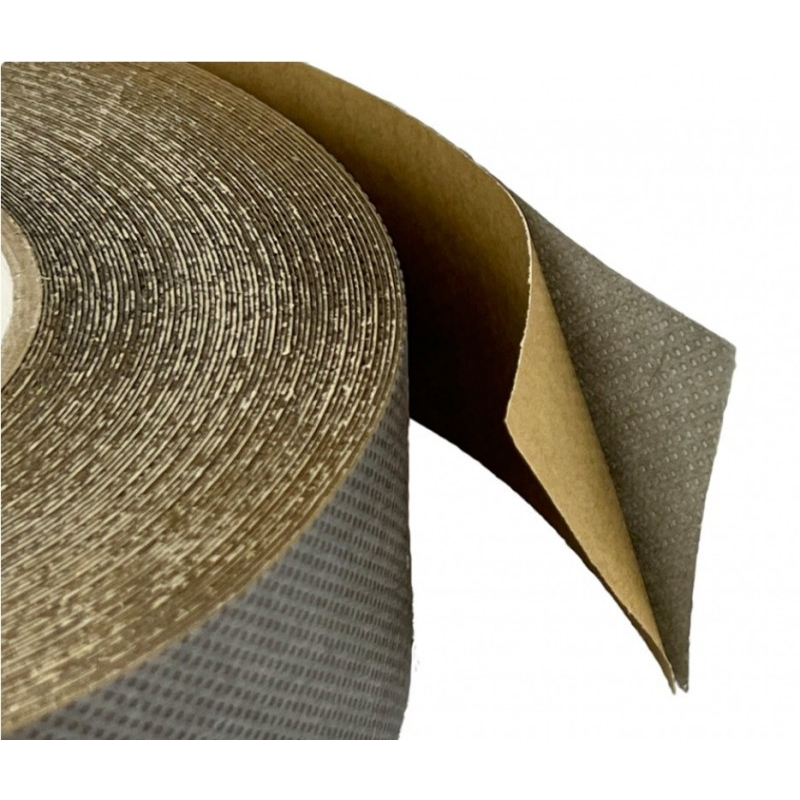
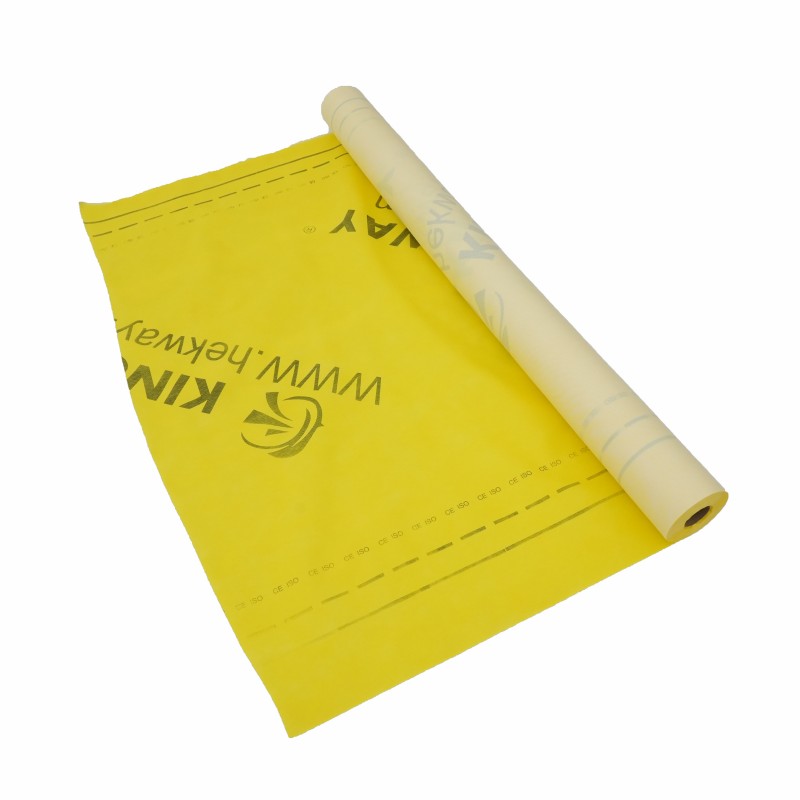
A roofing underlayment membrane is a protective layer installed between the roof deck and the final roof covering. It provides a second line of defense when shingles, tiles, or metal panels cannot stop every drop of water. A quality roofing underlayment membrane helps block wind-driven rain, melting snow, dust, and moisture that may reach gaps or damaged areas. It also helps protect the deck during construction before the outer covering is installed. The roofing underlayment membrane may include a waterproof film, reinforced scrim, textured surface, or self-adhering backing, depending on the product design. These features support reliable coverage while helping workers handle and position the material efficiently. During installation, a roofing underlayment membrane can reduce exposure to temporary weather and limit water entry around roof penetrations, valleys, eaves, and ridges. Some products include marked overlap guides that make placement faster and more consistent. Others offer high tear resistance, slip control, or compatibility with adhesives and fasteners. The roofing underlayment membrane suits residential houses, apartment buildings, commercial properties, agricultural structures, and renovation projects. It can work below asphalt shingles, clay or concrete tiles, standing-seam metal, and other approved roof coverings. For new construction, a roofing underlayment membrane supports a complete roof assembly from the earliest stage. For replacement work, it gives installers a practical way to improve protection without changing the visible roof finish. Choosing a roofing underlayment membrane with suitable exposure time, temperature range, permeability, and installation method helps match the product to local weather and project needs.
New Product Releases

The main benefit of a roofing underlayment membrane is added protection beneath the visible roof covering. If a shingle lifts, a tile cracks, or rain enters around a flashing detail, the roofing underlayment membrane can slow water movement and help protect the roof deck, insulation, and interior spaces. This extra barrier can reduce repair risk and support a longer service life for the whole roof system. A roofing underlayment membrane also makes installation more practical. Many rolls are lightweight, easy to cut, and simple to secure with approved fasteners or adhesive. Printed lines can guide overlaps and reduce measuring time, while reinforced construction helps resist tearing during movement across the deck. These features can improve daily productivity and help create more uniform coverage. For buyers, the roofing underlayment membrane offers value beyond its purchase price. It can help limit moisture damage, avoid unnecessary call-backs, and protect materials during construction delays. Some versions tolerate temporary exposure, giving contractors more flexibility when weather changes before the final covering is complete. The roofing underlayment membrane can suit pitched roofs, complex roof shapes, and different outer materials when the manufacturer approves the combination. Self-adhering options may help seal around vulnerable areas, while mechanically fastened products can provide efficient coverage over large surfaces. When selecting a roofing underlayment membrane, buyers should review roof slope, climate, exposure period, deck type, installation tools, and local building requirements. They should also check compatibility with the selected covering and sealants. A roofing underlayment membrane is not a substitute for correct flashing, ventilation, drainage, or professional installation. Instead, it strengthens the complete roof assembly by adding a dependable layer of moisture control. The roofing underlayment membrane therefore gives property owners and contractors a practical balance of protection, handling convenience, and long-term project confidence.

Practical Tips

What are the unique advantages of a heavy-duty building tape?

01

Jul

What are the unique advantages of a heavy-duty building tape?

When construction professionals evaluate bonding and sealing materials for demanding projects, heavy-duty building tape consistently stands out as a reliable and versatile solution. Unlike standard adhesive tapes, heavy-duty building tape is engineer...
View More
What are the structural advantages of our high-adhesion single sided tape?

10

Aug

What are the structural advantages of our high-adhesion single sided tape?

High-adhesion single sided tape represents a critical advancement in industrial bonding solutions, particularly for applications requiring durable connections between breathable membranes and vapor barriers. Unlike conventional adhesive tapes, high-a...
View More
Can a certified membrana hidrofuga secure your building against typhoons?

08

Oct

Can a certified membrana hidrofuga secure your building against typhoons?

Typhoons represent one of the most destructive natural forces affecting coastal and tropical regions, threatening building integrity through intense wind, heavy rainfall, and structural stress. A certified membrana hidrofuga offers a proven defense m...
View More
Can high-quality membrana hidrofuga improve warehouse climate control?

19

Oct

Can high-quality membrana hidrofuga improve warehouse climate control?

Warehouse climate control is critical to protecting inventory, extending product lifespan, and maintaining operational efficiency. Environmental factors like humidity, moisture infiltration, and temperature fluctuations can damage goods, reduce produ...
View More

Get a Free Quote

Our representative will contact you soon.
Email
Name
Company Name
Message
0/1000

roofing underlayment membrane

Reliable Moisture Protection

Reliable Moisture Protection

A roofing underlayment membrane creates a continuous protective layer below the finished roof. This matters because even a well-installed outer covering can develop small openings at seams, fasteners, valleys, vents, or flashing points. The roofing underlayment membrane helps guide water away from the deck and reduces the chance that moisture will reach insulation or indoor finishes. In areas with heavy rain, wind, or seasonal snow, this added barrier gives the roof assembly more resilience. A roofing underlayment membrane can also protect the deck while crews wait to install shingles, tiles, or metal panels. That temporary protection can reduce disruption when weather changes during a project. Depending on its design, the roofing underlayment membrane may resist water while still allowing suitable vapor movement, helping designers choose a product for the roof assembly and climate. The roofing underlayment membrane does not replace flashing or drainage, but it supports those details. Used correctly, the roofing underlayment membrane gives owners a stronger defense against hidden moisture damage and related repair costs.
Fast, Consistent Installation

Fast, Consistent Installation

A roofing underlayment membrane can help crews cover a roof efficiently and maintain consistent placement. Roll formats reduce the number of individual pieces, while printed lap lines make overlap distances easier to follow. This practical design helps installers spend less time measuring and repositioning material. A roofing underlayment membrane with good tear resistance can remain stable while workers carry it, cut around penetrations, and secure it to the deck. Textured surfaces may also improve footing, although workers should always follow site safety procedures. For demanding layouts, a roofing underlayment membrane can simplify work around ridges, valleys, eaves, and roof openings when the product supports those applications. Self-adhering models may offer added convenience where a sealed bond is useful, while mechanically attached options can deliver fast coverage on broad areas. The roofing underlayment membrane can therefore support smoother scheduling and fewer material-handling delays. Better consistency also helps reduce uncovered spots and incorrect overlaps. For contractors, the roofing underlayment membrane can improve labor efficiency; for owners, it can support more predictable project timing and workmanship.
Broad Roof System Compatibility

Broad Roof System Compatibility

A roofing underlayment membrane can serve many building types and roof coverings, making it a flexible choice for new construction and renovation. The roofing underlayment membrane may be used beneath asphalt shingles, metal panels, tiles, or other approved finishes, provided the manufacturer lists the combination. This flexibility helps buyers select one protection layer for different projects without changing the visible roof design. A roofing underlayment membrane can also fit residential roofs, commercial buildings, agricultural structures, and repair work where the deck needs renewed protection. Product choices may include standard synthetic sheets, rubberized asphalt versions, and options designed for extended temporary exposure. Each roofing underlayment membrane has its own limits for temperature, slope, fastening, adhesives, and exposure time, so technical data should guide the decision. The roofing underlayment membrane can be especially useful when a project includes irregular roof sections or multiple penetrations. By matching the roofing underlayment membrane to the climate, deck, outer covering, and installation method, buyers can achieve dependable performance without unnecessary product complexity or cost.

Get a Free Quote

Our representative will contact you soon.
Email
Name
Company Name
Message
0/1000