breathable roofing underlayment
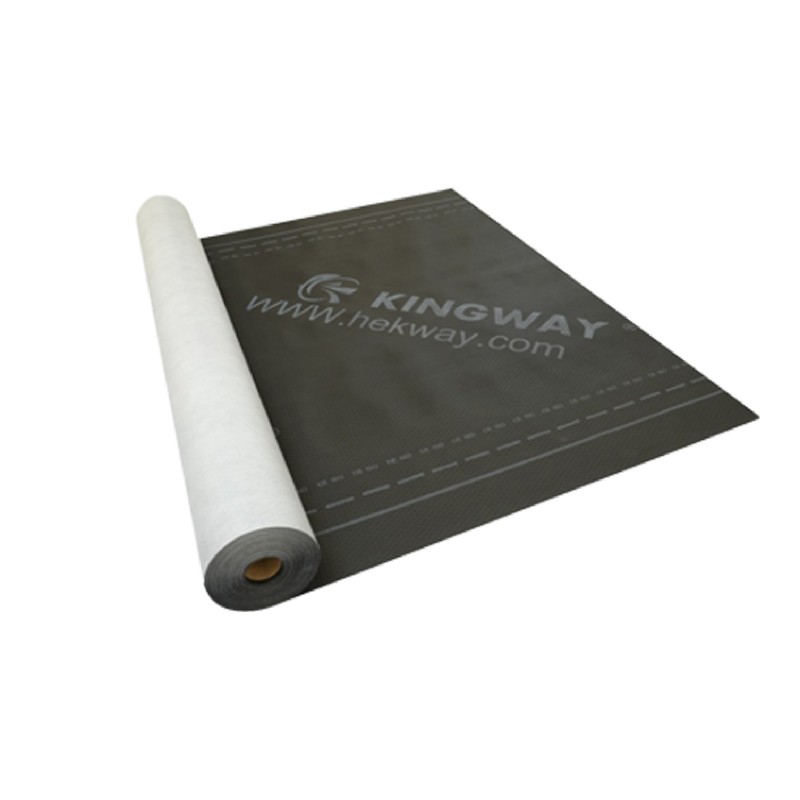
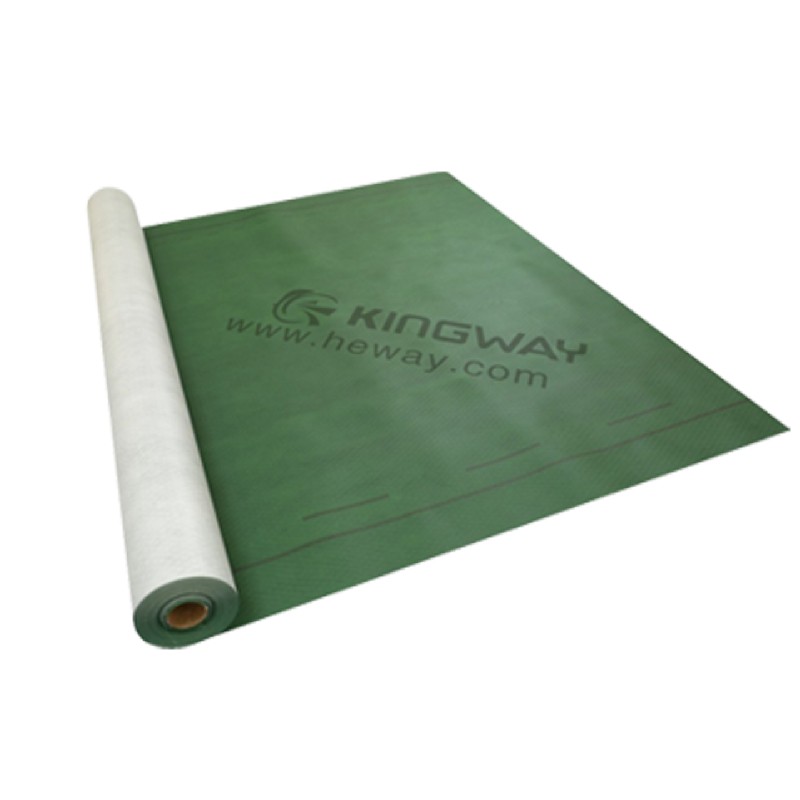
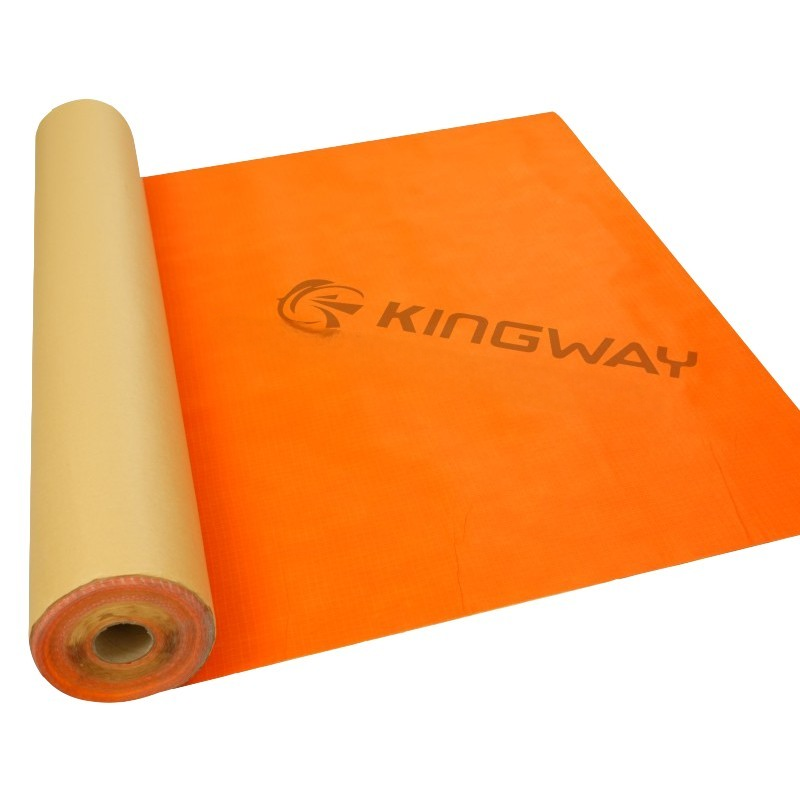
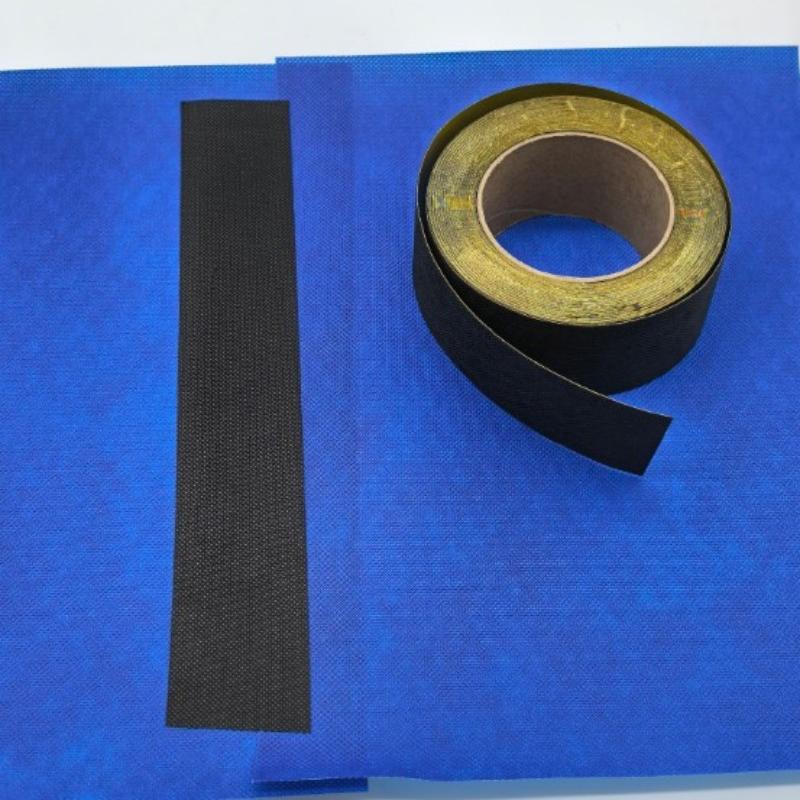
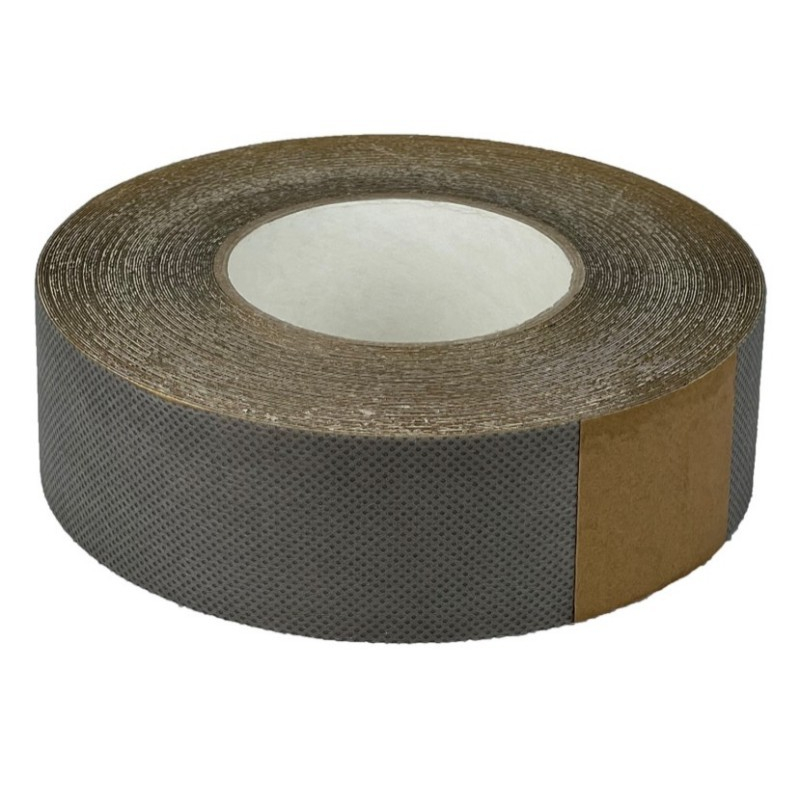
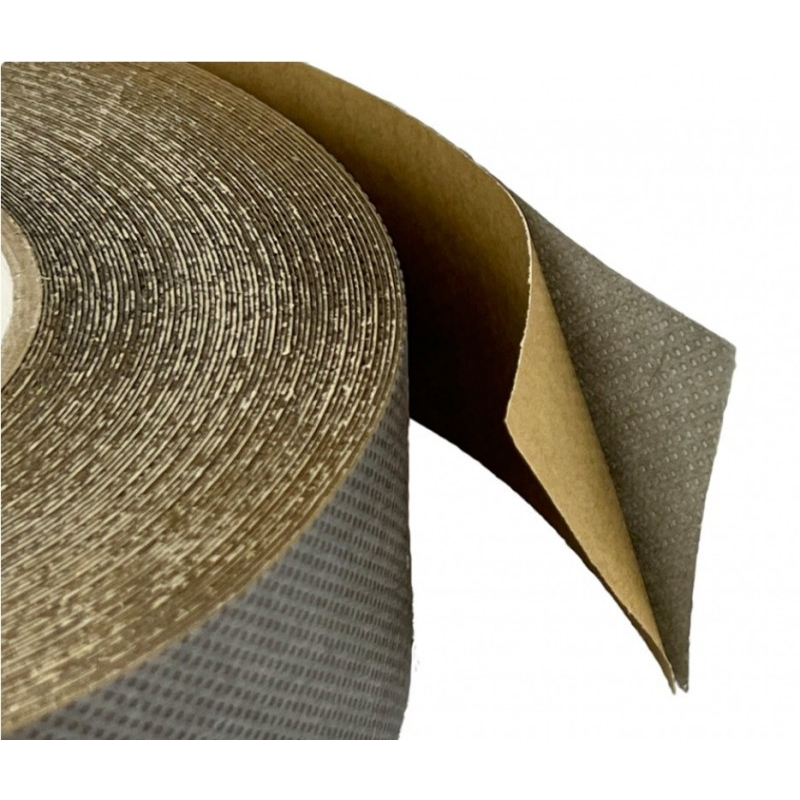
Breathable roofing underlayment is a protective membrane installed beneath roof coverings such as shingles, tiles, and metal panels. This breathable roofing underlayment helps manage moisture while adding a second layer of defense against rain, wind, dust, and accidental water entry. Unlike a fully sealed sheet, breathable roofing underlayment allows water vapor from the building interior to escape through the roof structure. This feature helps keep roof spaces drier and reduces the risk of trapped condensation. A breathable roofing underlayment can also improve the long-term performance of insulation, timber, and roof finishes. Its main functions include temporary weather protection during construction, drainage support beneath the outer covering, and moisture control after the roof is complete. Many products use a strong, lightweight, multi-layer structure with a microporous film between protective textile layers. This technology blocks liquid water while allowing vapor to pass outward. Modern breathable roofing underlayment often includes high tear strength, stable dimensions, UV resistance for limited exposure, and marked overlap guides that make fitting faster. Some versions also provide a non-slip surface for safer movement during installation. The material suits pitched roofs, new construction, renovation projects, and ventilated or unventilated roof designs, subject to the roofing system requirements. Choosing the right breathable roofing underlayment depends on roof pitch, covering type, local weather, ventilation design, and exposure time before final roofing. A quality breathable roofing underlayment gives installers a practical moisture-management solution without adding excessive weight or installation complexity. It supports a cleaner, more durable roof assembly for residential, commercial, agricultural, and modular buildings.