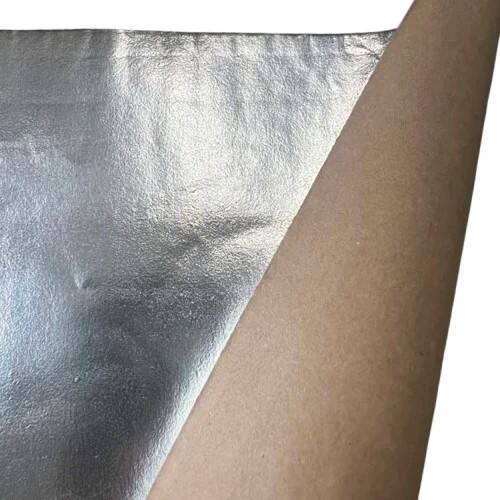
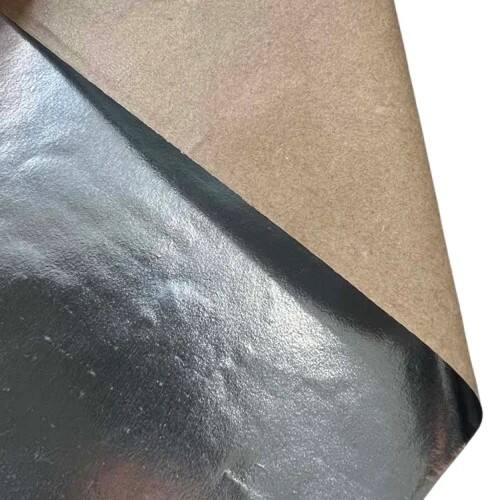
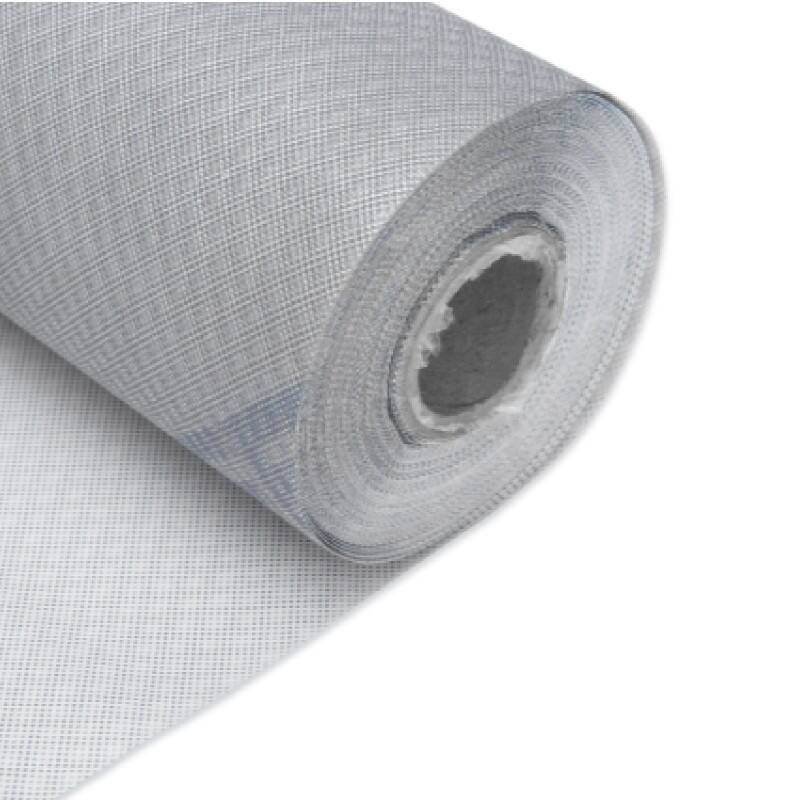
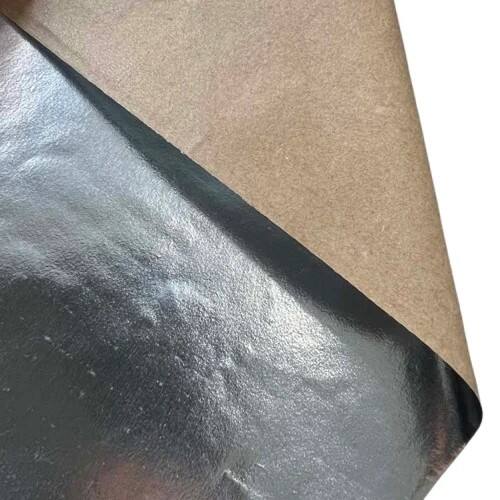
Synthetic Roofing Underlayment Solutions

synthetic roofing underlayment

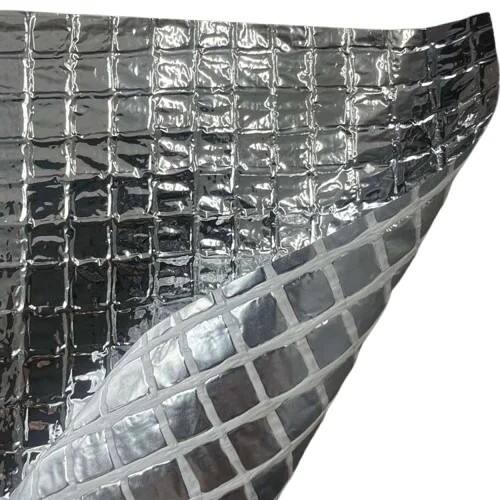
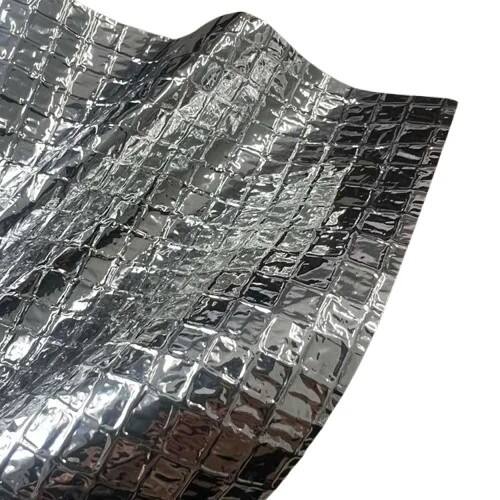
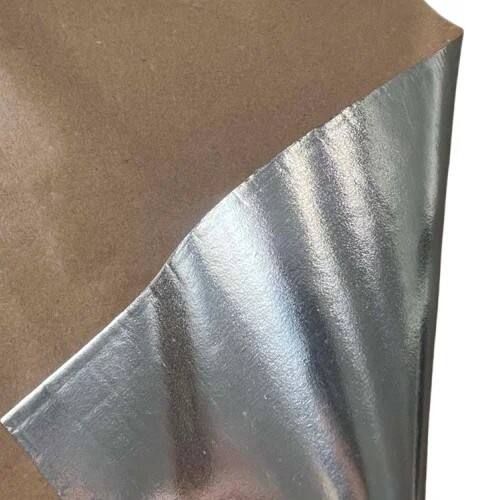
Synthetic roofing underlayment is an advanced protective layer installed between the roof deck and the final roofing material, designed to shield your home from water infiltration and weather damage. Unlike traditional felt paper, this modern solution utilizes engineered polymers and woven or non-woven polypropylene materials to create a superior moisture barrier. The main functions of synthetic roofing underlayment include preventing water penetration during installation and throughout the roof's lifespan, protecting against wind-driven rain, and serving as a temporary weather barrier if shingles are damaged or displaced. Technological features set synthetic roofing underlayment apart from conventional options. The material offers exceptional tear resistance, allowing it to withstand foot traffic during installation without compromising integrity. Its lightweight construction simplifies handling and reduces labor time, while UV-resistant properties enable extended exposure to sunlight without degradation. Many products feature slip-resistant surfaces that enhance installer safety, especially on steep slopes. The material remains flexible in cold temperatures and resists cracking, ensuring reliable performance across diverse climates. Applications for synthetic roofing underlayment span residential and commercial projects, suitable for asphalt shingles, metal roofing, tile, and slate installations. It performs exceptionally well in regions experiencing heavy rainfall, high winds, or temperature extremes. The underlayment adapts to various roof pitches and configurations, making it a versatile choice for new construction, roof replacements, and renovation projects where long-term protection and durability are essential priorities for property owners and contractors alike.
New Product Recommendations

Choosing synthetic roofing underlayment delivers practical benefits that directly impact your project's success and long-term performance. The material lasts significantly longer than traditional felt, often providing protection for 25 years or more, which means you avoid premature replacement costs and repeated labor expenses. This durability translates into genuine value for your investment, as the underlayment maintains its protective qualities throughout the roofing system's entire service life. Installation becomes faster and more efficient with synthetic roofing underlayment because the lightweight rolls are easier to maneuver across the roof deck. Contractors appreciate that the material lies flat without wrinkling, reducing installation time and labor costs that benefit your bottom line. The superior tear strength means fewer worries about damage during installation, even when workers must walk across the surface repeatedly. Weather resistance stands out as a major operational benefit. Synthetic roofing underlayment handles moisture exposure better than felt alternatives, preventing water absorption that could compromise structural integrity. If rain interrupts your roofing project, this underlayment protects the deck effectively until work resumes. The material also resists mold and mildew growth, maintaining a healthier roof assembly over time. Application suitability makes synthetic roofing underlayment ideal for challenging projects. Steep-slope roofs benefit from slip-resistant surfaces that improve safety. Cold-climate installations perform reliably because the material stays flexible instead of becoming brittle. High-temperature environments present no problems, as the underlayment resists thermal degradation. When making your decision, consider that synthetic roofing underlayment often comes with manufacturer warranties reflecting confidence in product performance. The material meets or exceeds building code requirements across regions, ensuring compliance. While initial costs may exceed traditional felt, the extended lifespan, reduced labor requirements, and superior protection make synthetic roofing underlayment a smart choice that pays dividends throughout your roof's lifetime.

Latest News

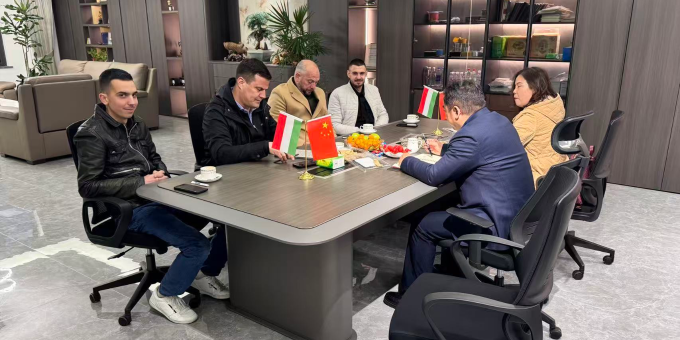
Hosting Important Clients from Europe.

08

Jan

Hosting Important Clients from Europe.

View More
A Heartwarming Moment for The New Members of Kingway

04

Jan

A Heartwarming Moment for The New Members of Kingway

View More
From Renting Factory Space to Becoming An Industry Benchmark: Kingway's Sixteen-year Journey of Excellence.

04

Jan

From Renting Factory Space to Becoming An Industry Benchmark: Kingway's Sixteen-year Journey of Excellence.

View More

Get a Free Quote

Our representative will contact you soon.
Email
Name
Company Name
Message
0/1000

synthetic roofing underlayment

Superior Weather Protection and Water Resistance

Superior Weather Protection and Water Resistance

Synthetic roofing underlayment excels at defending your property against moisture intrusion through advanced engineering that creates an impermeable barrier. The polymer-based composition repels water rather than absorbing it, preventing the saturation problems that plague traditional felt materials. This water-resistant quality protects the roof deck from rot and deterioration even during prolonged exposure to rain or snow. The underlayment's construction incorporates overlapping installation methods and sealed seams that block water pathways effectively. During severe weather events featuring wind-driven rain, synthetic roofing underlayment maintains its protective integrity where conventional materials might fail. The material also performs as a critical secondary barrier if primary roofing materials sustain damage from storms or falling debris. Property owners gain peace of mind knowing their investment includes this reliable defense layer. The breathable variants allow moisture vapor to escape from the building interior while blocking external water, preventing condensation accumulation that could compromise insulation effectiveness or encourage mold development within the roof assembly.
Enhanced Durability and Longevity

Enhanced Durability and Longevity

The robust construction of synthetic roofing underlayment delivers exceptional durability that outlasts conventional alternatives by substantial margins. Engineered polymers resist tearing, puncturing, and abrasion far better than organic felt materials, maintaining structural integrity even under demanding conditions. This strength allows the underlayment to withstand foot traffic during installation and subsequent maintenance activities without compromising its protective capabilities. UV stabilizers incorporated into synthetic roofing underlayment prevent degradation from sun exposure, enabling the material to remain exposed for extended periods during construction delays without losing effectiveness. This feature provides valuable flexibility for project scheduling and weather-related interruptions. The material resists thermal cycling, maintaining performance through repeated expansion and contraction as temperatures fluctuate. Unlike felt that deteriorates over time, synthetic roofing underlayment retains its physical properties throughout decades of service. This longevity means the underlayment continues protecting your roof deck for the entire lifespan of the primary roofing material, eliminating concerns about premature failure. The dimensional stability prevents wrinkling and buckling that could create vulnerable spots, ensuring consistent coverage across the entire roof surface.
Improved Installation Efficiency and Safety

Improved Installation Efficiency and Safety

Synthetic roofing underlayment transforms the installation process through design features that accelerate work while enhancing crew safety. The lightweight composition significantly reduces physical strain on installers compared to heavier felt rolls, enabling faster positioning and securing across the roof deck. Large roll sizes cover more area with fewer seams, reducing installation time and potential leak points. Many synthetic roofing underlayment products feature printed alignment guides and measurement marks that help installers achieve proper overlap and positioning quickly, minimizing errors and callbacks. The material lies flat immediately after rolling out, eliminating the waves and buckles common with felt that require additional time to flatten. Slip-resistant surfaces incorporated into synthetic roofing underlayment provide secure footing for workers, particularly important on steep slopes where safety risks increase. This traction reduces accident potential and allows crews to work confidently and efficiently. The material's strength means installers need not exercise extreme caution to avoid tears, speeding up the workflow. Extended UV resistance permits synthetic roofing underlayment to remain exposed during multi-phase projects without requiring immediate covering, offering scheduling flexibility that keeps projects moving forward smoothly and cost-effectively.

Get a Free Quote

Our representative will contact you soon.
Email
Name
Company Name
Message
0/1000