synthetic felt paper
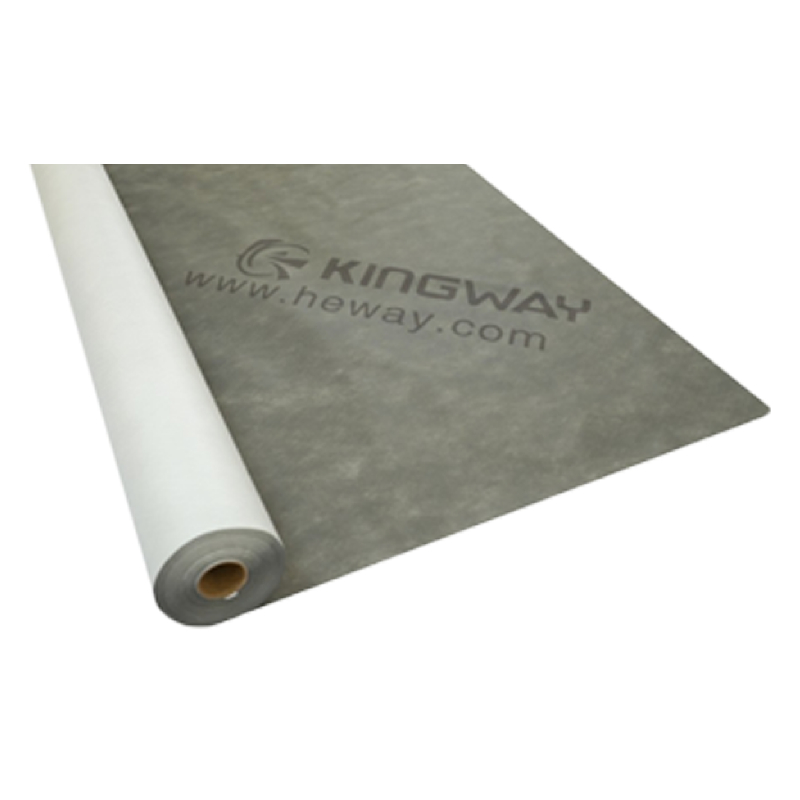
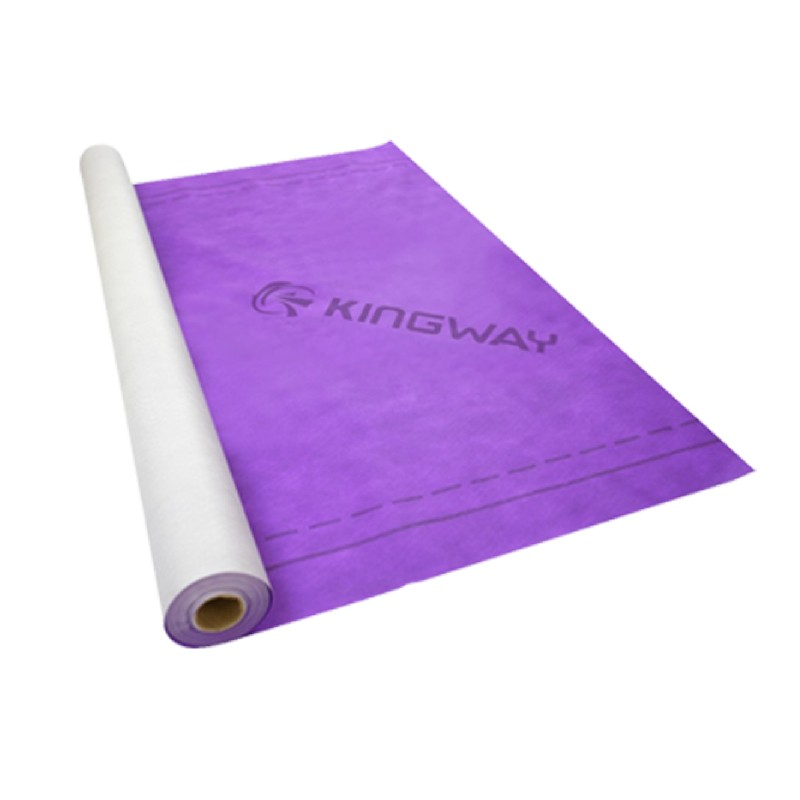
Synthetic felt paper is a durable, fiber-based sheet designed to combine the clean appearance of paper with the strength and flexibility of felt. Manufacturers make synthetic felt paper from man-made fibers, often polyester or polypropylene, and form those fibers into a stable, even web. This structure gives synthetic felt paper a soft touch, controlled thickness, and reliable shape. Unlike ordinary paper, synthetic felt paper resists tearing, moisture, and repeated handling. Unlike thick fabric, synthetic felt paper remains easy to print, cut, fold, score, or laminate. Its main functions include surface protection, packaging, labeling, filtration support, insulation, padding, and decorative presentation. Synthetic felt paper can also absorb light impact, reduce scratching, and provide a comfortable non-slip layer. Key technological features include consistent fiber distribution, adjustable density, strong tensile performance, low lint release, and compatibility with digital, screen, flexographic, or transfer printing. Depending on the grade, synthetic felt paper may offer water resistance, chemical resistance, flame-retardant performance, UV stability, or recycled content. These options allow buyers to match synthetic felt paper with indoor, outdoor, retail, workshop, and industrial needs. Converters can die-cut synthetic felt paper into inserts, separators, covers, gaskets, and custom shapes. Brands can use synthetic felt paper for attractive tags, sleeves, folders, and product wraps. In construction and manufacturing, synthetic felt paper can support surface protection or act as a lightweight barrier. Designers also choose synthetic felt paper for craft kits, displays, acoustic accents, and presentation materials. Overall, synthetic felt paper offers a practical balance of appearance, strength, processing ease, and service life for applications that need more performance than conventional paper.