Felt Underlayment for Reliable Roof Protection

felt underlayment

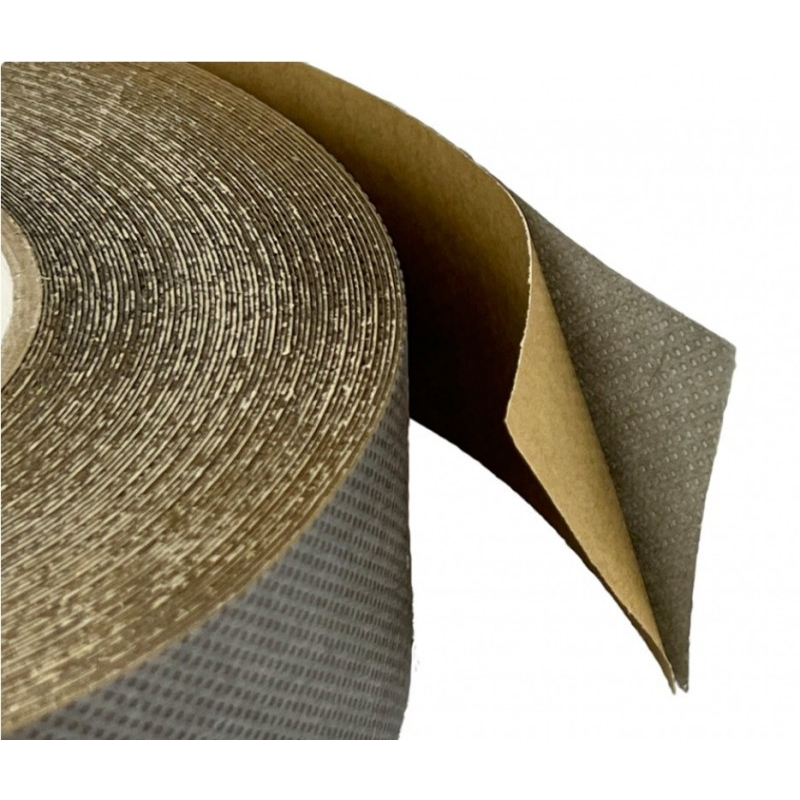
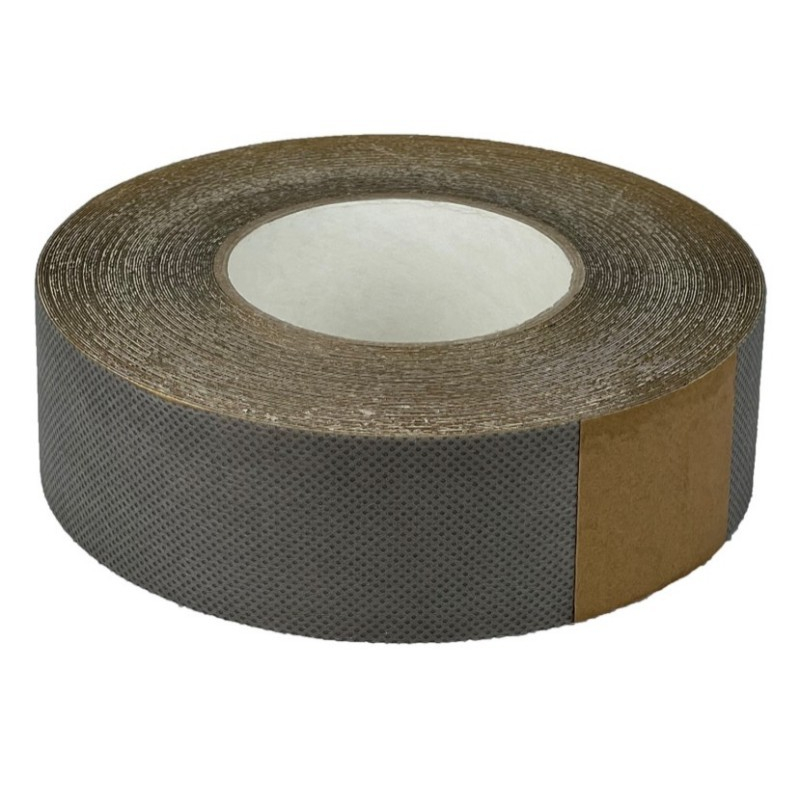
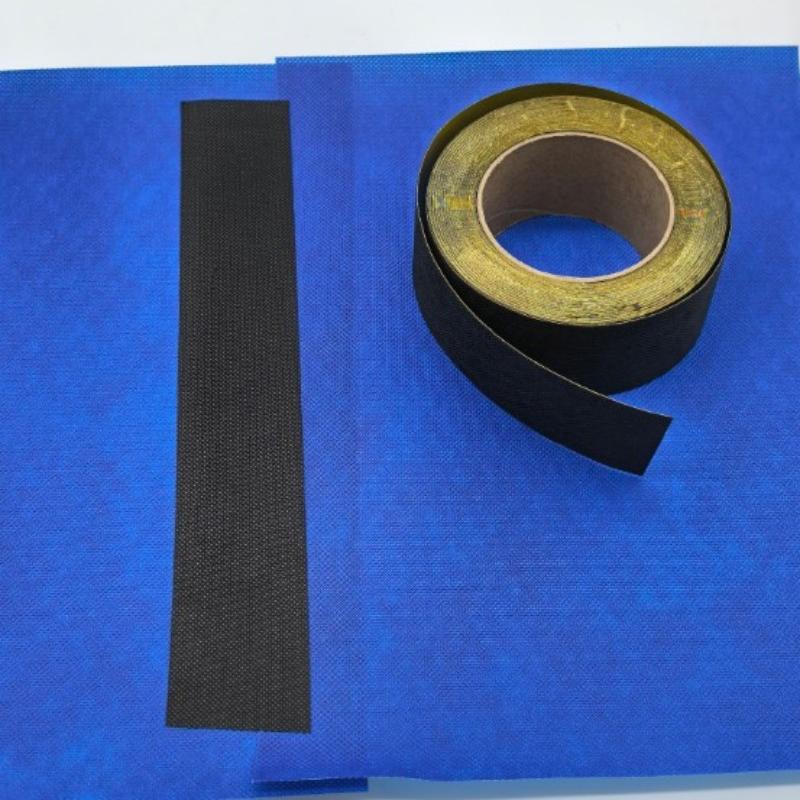
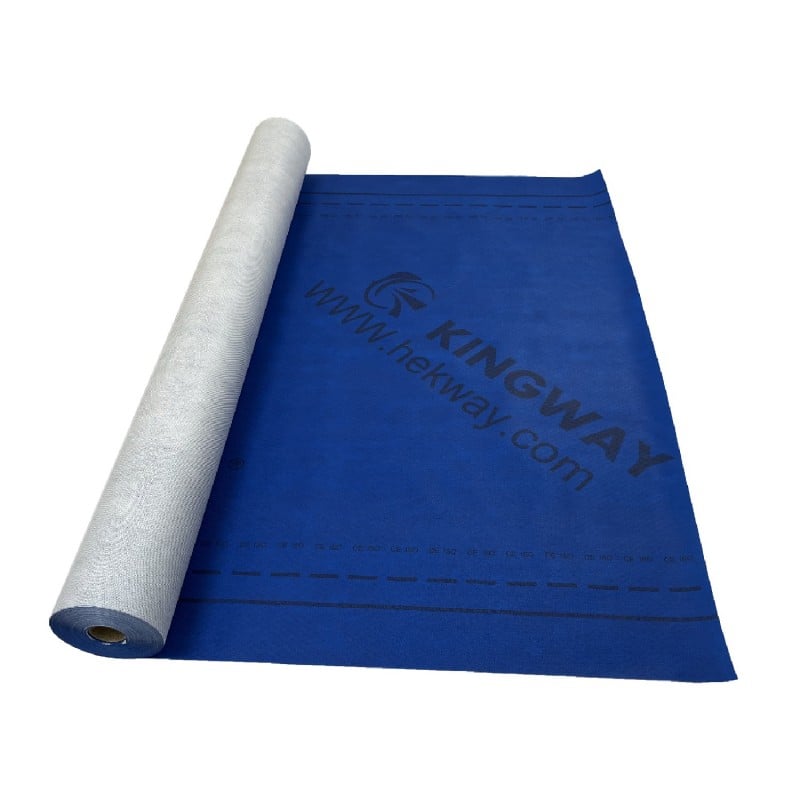
Felt underlayment is a protective layer installed beneath roofing materials, flooring systems, or other finished surfaces. Its main purpose is to create a dependable barrier against moisture, drafts, dust, and minor surface movement. In roofing, felt underlayment sits between the roof deck and shingles, tiles, or metal panels. In flooring, felt underlayment can help separate the base from the finished covering while improving comfort and surface stability. A felt underlayment also gives installers a clean, even working surface during construction. Modern felt underlayment products use engineered fibers, water-resistant treatments, and controlled thickness to support consistent performance. Some versions include reinforced layers that resist tearing during handling, while others use a nonwoven structure that allows practical cutting and fitting around roof details. Depending on the design, felt underlayment may reduce sound transfer, soften minor irregularities, and provide temporary protection before the final material is installed. The right felt underlayment depends on the project type, climate, traffic level, and required installation method. Roofing projects need a product that manages wind-driven rain and remains secure under changing temperatures. Flooring projects may require better cushioning, dimensional stability, or noise control. A quality felt underlayment should install smoothly, cover the substrate evenly, and remain stable without excessive shrinking or curling. Felt underlayment is suitable for new construction, repair work, remodeling, and maintenance programs. It offers a practical layer of protection without adding unnecessary complexity. For buyers, felt underlayment provides a cost-conscious way to improve system reliability while supporting a cleaner, more controlled installation.

New Products

Felt underlayment gives property owners an added line of defense before the visible roof or floor covering is installed. When rain, condensation, or small leaks reach the surface, felt underlayment helps limit direct contact with the deck or subfloor. This added protection can reduce the risk of moisture-related damage and support longer service life for the complete assembly. Felt underlayment also helps installers work with greater confidence. The material creates a more uniform surface, covers small imperfections, and provides a clear layer over which workers can mark, align, and place finished products. A felt underlayment can be cut with common tools, carried easily, and installed with standard fasteners or approved adhesives, depending on the product design. These features can shorten preparation time and reduce handling effort. Buyers also benefit from flexible application options. Felt underlayment works for many residential roofs, low-rise commercial projects, flooring upgrades, attic improvements, and repair areas. It can suit new construction as well as partial replacement work, making it useful when only one section needs attention. A felt underlayment may also improve comfort by reducing minor impact noise and helping finished surfaces feel less harsh underfoot. For roofing, the product supports weather management beneath shingles, tiles, or panels. For flooring, felt underlayment can help separate materials and reduce friction caused by slight movement. Product selection still matters: users should compare weight, thickness, water resistance, tear strength, coverage, and local installation requirements. Choosing the correct felt underlayment helps prevent premature failure and avoids paying for features the project does not need. The result is a practical balance of protection, installation efficiency, and long-term value. Felt underlayment also supports cleaner scheduling because it protects exposed surfaces while other trades complete their work. That temporary coverage can lower disruption, reduce rework, and help keep the project moving.

Tips And Tricks

Can a premium roofing underlayment extend your total roof warranty?

28

Sep

Can a premium roofing underlayment extend your total roof warranty?

Your roof is one of the most critical investments in your home or commercial property, and protecting that investment goes far beyond the shingles or tiles you see from the ground. Many property owners overlook the crucial role that roofing underlaym...
View More
How to choose a membrana hidrofuga for low-slope residential roofs?

12

Oct

How to choose a membrana hidrofuga for low-slope residential roofs?

Selecting the right membrana hidrofuga for low-slope residential roofs is one of the most critical decisions in roof construction and renovation projects. A membrana hidrofuga serves as the primary defense against water infiltration, protecting struc...
View More
Can high-quality membrana hidrofuga improve warehouse climate control?

19

Oct

Can high-quality membrana hidrofuga improve warehouse climate control?

Warehouse climate control is critical to protecting inventory, extending product lifespan, and maintaining operational efficiency. Environmental factors like humidity, moisture infiltration, and temperature fluctuations can damage goods, reduce produ...
View More
What are the UV-protection advantages of our premium membrana hidrofuga?

22

Oct

What are the UV-protection advantages of our premium membrana hidrofuga?

A membrana hidrofuga serves as a critical protective barrier in modern roofing and construction applications, delivering exceptional performance when exposed to harsh environmental conditions. Among its most valuable benefits, the UV-protection capab...
View More

Get a Free Quote

Our representative will contact you soon.
Email
Name
Company Name
Message
0/1000

felt underlayment

Reliable Moisture Protection

Reliable Moisture Protection

A key value of felt underlayment is its ability to create a protective separation between the finished covering and the structural surface below. On a roof, felt underlayment helps manage water that may pass beneath shingles, tiles, or panels during heavy rain, wind, or installation delays. On a floor, felt underlayment can reduce contact between the subfloor and the visible surface, helping limit damage from minor moisture exposure. Its layered construction supports steady coverage across seams, edges, and broad panels when installed correctly. Felt underlayment does not replace flashing, drainage, or a sound substrate, but it adds useful backup protection to the overall system. Buyers gain more time to identify problems before moisture reaches wood or other sensitive materials. For contractors, felt underlayment creates a clear, consistent work area and helps protect the project between installation stages. This combination of barrier performance and practical handling makes felt underlayment a sensible choice where weather or incidental moisture may create risk.
Strong, Easy Handling

Strong, Easy Handling

Felt underlayment combines useful strength with manageable weight, which helps crews move material around a job site without unnecessary strain. Reinforced fiber structures can resist tearing during unrolling, cutting, fastening, and placement around vents, corners, edges, and other details. A felt underlayment that stays flat and cuts cleanly can reduce waste because installers can make accurate pieces instead of discarding damaged sections. The material also supports faster layout, especially when rolls or sheets provide clear coverage and consistent dimensions. For renovation work, felt underlayment is easy to bring through occupied buildings and fit into confined areas where rigid boards may be inconvenient. Workers can normally use familiar tools and established methods, subject to the product instructions and project standards. This practical handling saves time, supports safer movement, and reduces the chance of installation errors. Buyers receive a material that performs as a protective layer while fitting smoothly into routine construction workflows. Felt underlayment therefore offers both dependable coverage and straightforward job-site control.
Flexible Project Applications

Flexible Project Applications

Felt underlayment suits a wide range of projects because it can serve different finished systems and installation conditions. Roofing contractors use felt underlayment beneath asphalt shingles, tiles, and selected metal systems, while flooring professionals may choose compatible products beneath wood, laminate, vinyl, or other coverings. Each application requires a suitable grade, so buyers should confirm moisture performance, thickness, compression behavior, and manufacturer guidance before ordering. A felt underlayment can support new builds, roof replacement, room renovations, temporary protection, and targeted repairs. Its broad usefulness helps distributors and contractors simplify purchasing when several jobs need a dependable protective layer. Felt underlayment may also support staged construction by shielding a deck or subfloor while other work continues. This can help protect investment, reduce cleanup, and prevent avoidable delays. For homeowners, the material provides a practical improvement without demanding a complex installation system. For commercial users, felt underlayment can help maintain consistent procedures across multiple areas. The result is adaptable coverage that matches changing project needs while preserving a straightforward buying decision.

Get a Free Quote

Our representative will contact you soon.
Email
Name
Company Name
Message
0/1000