Synthetic felt paper for roofing | Buyer Guide

synthetic felt paper for roofing

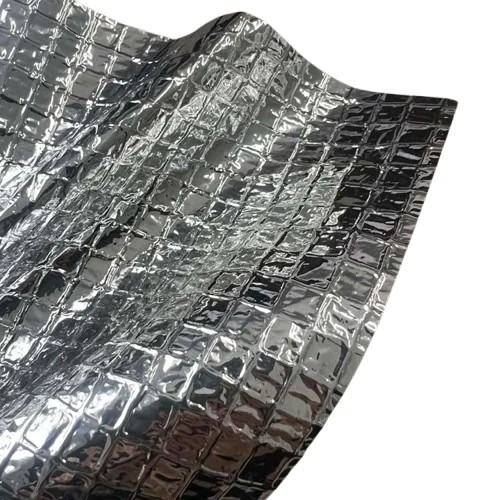
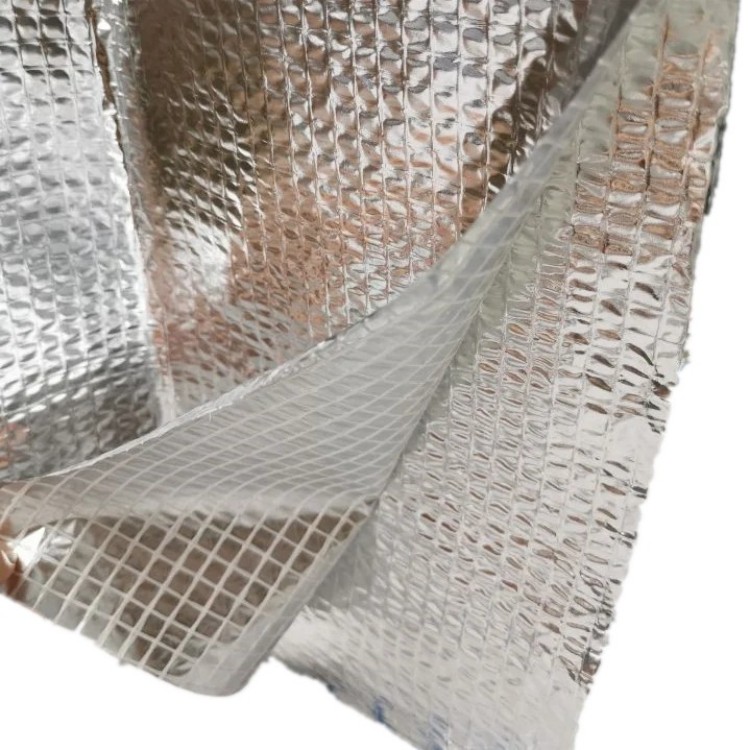
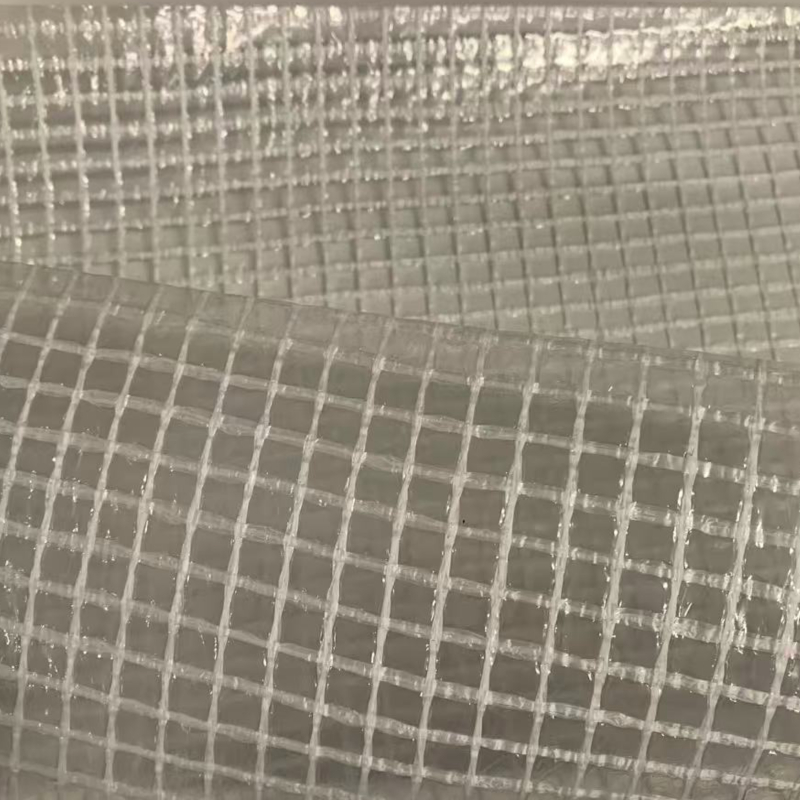
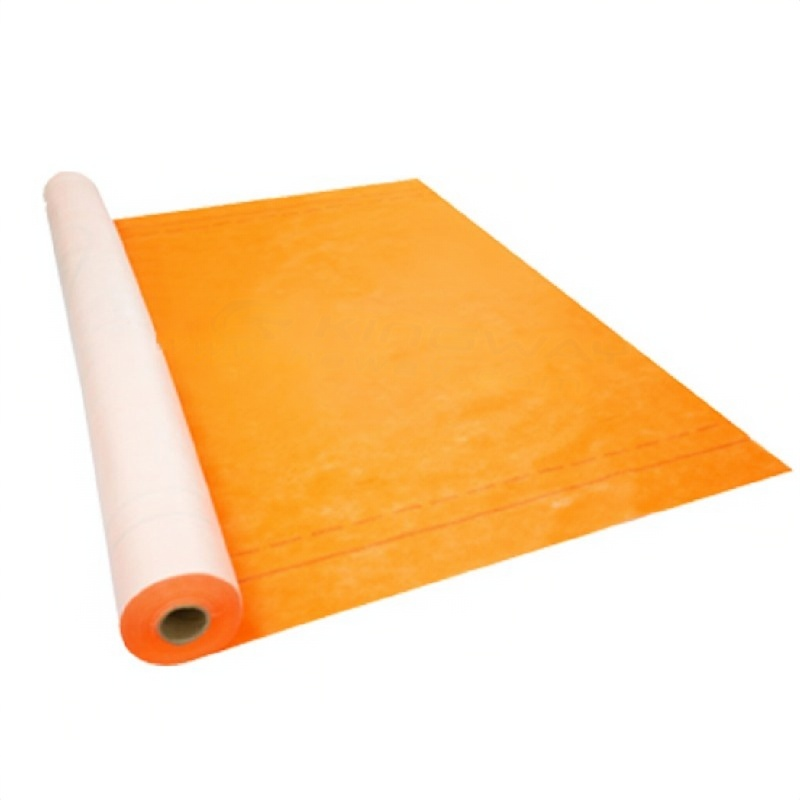
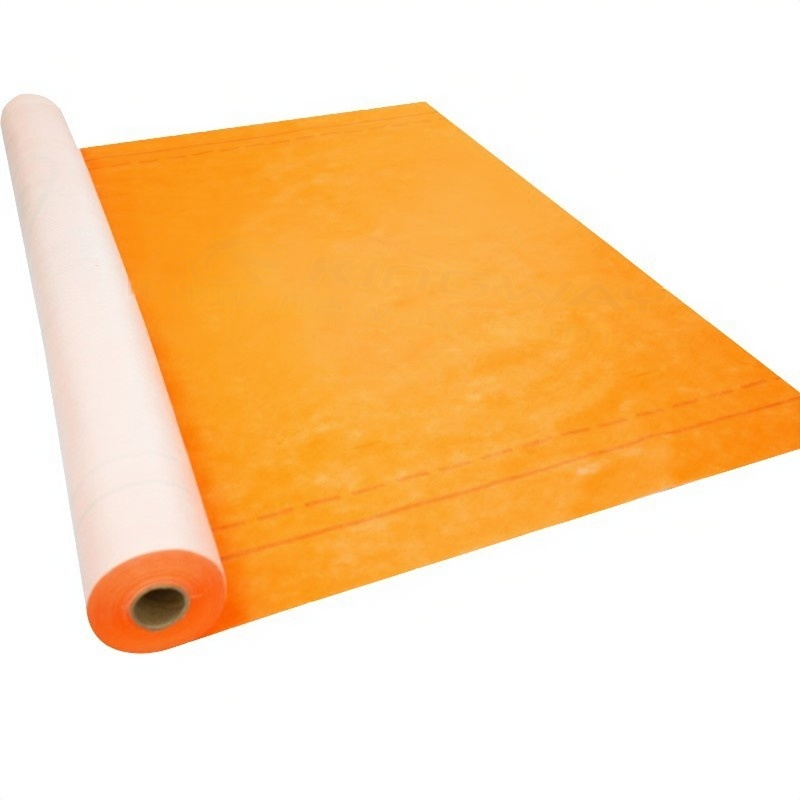
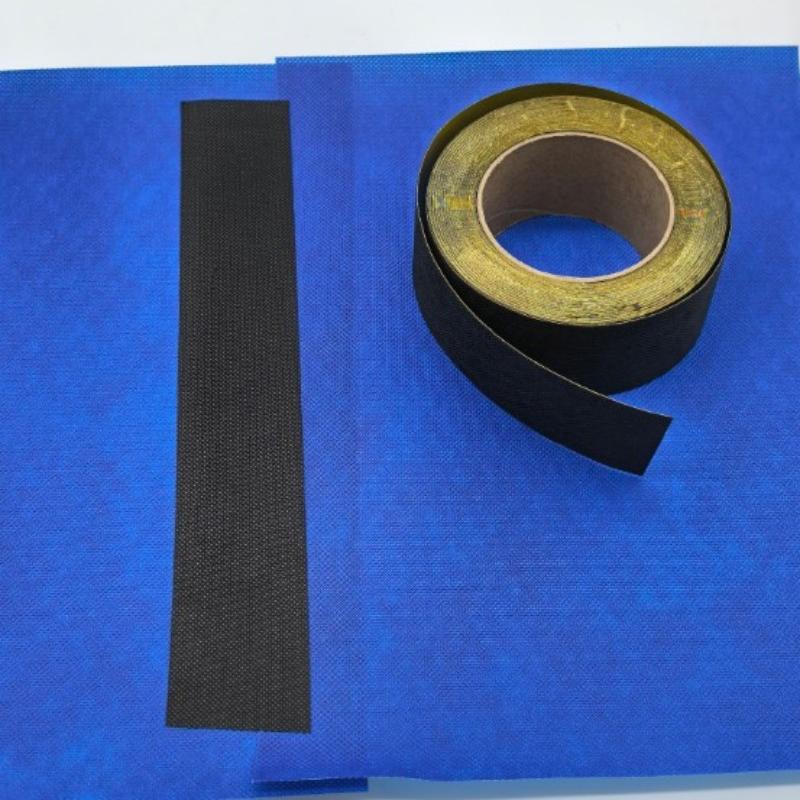
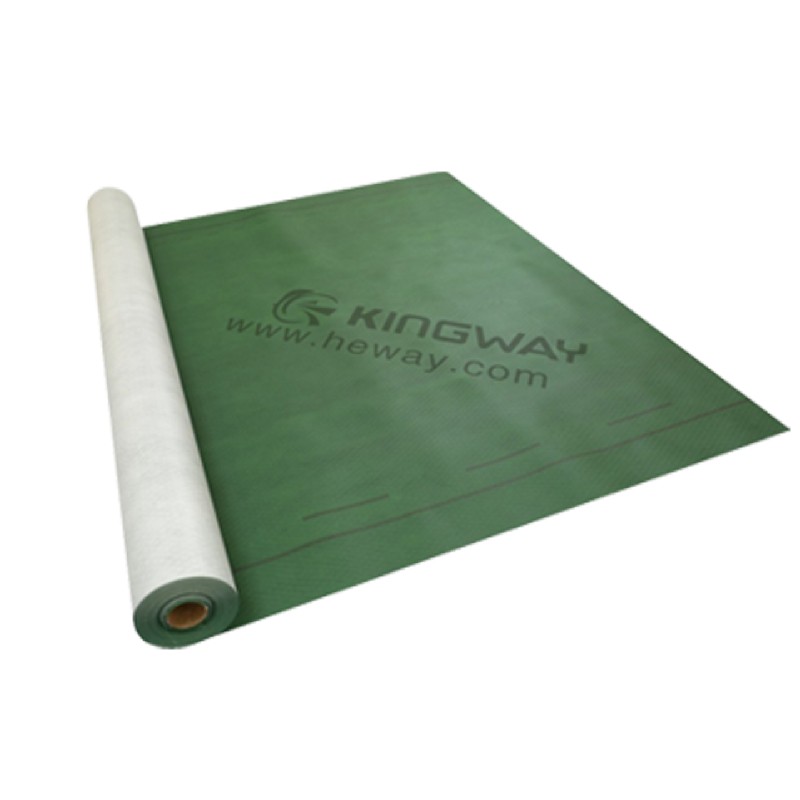
Synthetic felt paper for roofing is a lightweight protective layer installed beneath shingles, tiles, metal panels, or other roof coverings. Synthetic felt paper for roofing helps shield the roof deck from rain, wind-driven moisture, dust, and short-term exposure during construction. Unlike traditional organic felt, synthetic felt paper for roofing uses engineered polymer fibers or films that resist tearing, stretching, and water absorption. Synthetic felt paper for roofing also creates a clean, even surface that supports reliable installation of the final roof material. The main function of synthetic felt paper for roofing is to provide secondary weather protection when the outer covering cannot stop every drop or gust. It can also help reduce friction between the deck and roof covering while limiting exposure to dirt and light moisture. Many products include printed fastening guides, overlap lines, and measurement marks. These details help crews place sheets accurately and maintain consistent coverage. Synthetic felt paper for roofing commonly comes in wide rolls, so installers can cover more area with fewer seams. Its low weight makes transport, lifting, and cutting easier than handling heavier underlayment materials. Depending on the product, synthetic felt paper for roofing may offer UV exposure resistance, slip-resistant surfaces, reinforced edges, or compatibility with common fasteners. It suits new construction, roof replacement, repairs, and temporary protection. Buyers should compare roll size, thickness, tear strength, water resistance, exposure rating, and local code requirements before purchase. Proper installation still requires correct laps, fastening, flashing, and ventilation. In short, synthetic felt paper for roofing adds a practical protection layer that supports a longer-lasting, better-organized roofing system.

Popular Products

Choosing synthetic felt paper for roofing gives property owners a dependable barrier without adding unnecessary weight. Synthetic felt paper for roofing stays strong when workers walk across it, pull it over a deck, or cut it around vents and valleys. That durability can reduce punctures, rework, and material waste during installation. Synthetic felt paper for roofing also absorbs little or no water, so rolls remain easier to handle after damp weather. Synthetic felt paper for roofing often covers large areas quickly, helping crews finish underlayment work with fewer joints and fewer opportunities for installation mistakes. Its printed guides can speed layout and show where to place fasteners or overlaps. This makes the product useful for both experienced roofers and teams that value clear installation cues. Another benefit is storage and transport. Lightweight rolls take less effort to move up ladders, across scaffolding, or around a jobsite, which can improve daily productivity. Synthetic felt paper for roofing suits homes, apartments, workshops, warehouses, and many commercial buildings. It works under asphalt shingles, tiles, metal roofing, and other approved coverings, provided the product matches the roof design and local requirements. Buyers also gain useful scheduling flexibility. Some grades tolerate limited exposure to sunlight before the outer roof is installed, allowing work to continue when delays affect the project timeline. This does not replace a finished roof, but it offers practical temporary protection. The smooth surface can help water move toward drainage paths, while a textured surface may improve footing for installers. When comparing options, check roll coverage, tear resistance, exposure time, temperature range, fastening guidance, warranty terms, and required accessories. Synthetic felt paper for roofing can lower handling effort and help protect the deck, but correct overlaps, flashing, and fasteners remain essential. A suitable product balances price, durability, installation speed, and the conditions expected on the site.

Tips And Tricks

Which house wrap brand offers the best balance of strength and price?

29

Jul

Which house wrap brand offers the best balance of strength and price?

Selecting the right house wrap is one of the most consequential decisions a builder or contractor makes during the construction envelope phase. The house wrap you choose affects moisture management, structural longevity, energy efficiency, and overal...
View More
Why is a commercial-grade house wrap essential for modern facades?

08

Jul

Why is a commercial-grade house wrap essential for modern facades?

Modern building facades face constant exposure to wind-driven rain, temperature swings, and moisture intrusion. A high-performance house wrap addresses all of these challenges simultaneously. When construction teams install a commercial-grade house w...
View More
Which single sided tape offers the highest resistance to outdoor moisture?

17

Aug

Which single sided tape offers the highest resistance to outdoor moisture?

Selecting the right single sided tape for outdoor applications requires understanding how different adhesive formulations and backing materials perform under moisture exposure. When equipment, structures, or components face constant wet conditions, r...
View More
Can a certified membrana hidrofuga secure your building against typhoons?

08

Oct

Can a certified membrana hidrofuga secure your building against typhoons?

Typhoons represent one of the most destructive natural forces affecting coastal and tropical regions, threatening building integrity through intense wind, heavy rainfall, and structural stress. A certified membrana hidrofuga offers a proven defense m...
View More

Get a Free Quote

Our representative will contact you soon.
Email
Name
Company Name
Message
0/1000

synthetic felt paper for roofing

Strong Protection With Less Water Absorption

Strong Protection With Less Water Absorption

Synthetic felt paper for roofing uses water-resistant synthetic material that helps keep the roof deck dry during installation and service. Synthetic felt paper for roofing does not behave like ordinary paper when exposed to damp air or occasional rain; it resists soaking, wrinkling, and weakening. Synthetic felt paper for roofing can therefore maintain a more stable layer beneath shingles, tiles, or panels. For buyers, this means fewer damaged sheets and less replacement waste when weather changes during a project. The material also handles normal jobsite movement better than many basic felt options. Crews can cut around chimneys, pipes, skylights, and roof edges with confidence when the product has suitable tear strength. That support matters because a damaged underlayment can create a weak point before the final covering is installed. Synthetic felt paper for roofing provides practical protection, but it must be installed with correct overlaps, edge treatment, and fasteners. Select the grade according to expected weather exposure, roof pitch, and the covering specified for the project.
Faster Handling Across Different Roof Designs

Faster Handling Across Different Roof Designs

Synthetic felt paper for roofing comes in lightweight rolls that make movement around a jobsite simpler. Synthetic felt paper for roofing can be lifted, measured, cut, and positioned with less effort than heavy underlayment materials. Synthetic felt paper for roofing is especially useful on steep roofs, large homes, and projects where workers must carry supplies over long distances. Wide roll formats can cover more deck area with fewer seams, helping crews maintain a steady installation rhythm. Printed lap lines, center marks, and fastening guides can also improve accuracy without requiring constant measuring. This reduces avoidable delays and helps new or mixed-experience teams follow a consistent process. The material can adapt to roof valleys, ridges, hips, and penetrations when installers use suitable tools and follow the manufacturer instructions. For commercial buyers, faster handling may support better labor planning and shorter exposure of the unfinished deck. Synthetic felt paper for roofing is not a substitute for skilled installation, yet its format can make routine work clearer, cleaner, and more efficient.
Flexible Coverage for Residential and Commercial Projects

Flexible Coverage for Residential and Commercial Projects

Synthetic felt paper for roofing supports many building types and roof coverings, making it a useful choice for contractors, distributors, and property owners. Synthetic felt paper for roofing can serve new homes, roof replacements, extensions, garages, workshops, apartment blocks, and selected commercial structures. Synthetic felt paper for roofing works beneath approved asphalt shingles, metal sheets, tile systems, and similar exterior coverings. This flexibility lets buyers standardize a dependable underlayment across several project categories while still choosing the correct product grade for each roof. Some versions provide longer temporary exposure ratings, printed installation aids, slip-conscious surfaces, or enhanced reinforcement. These options help buyers match performance to climate, roof shape, crew needs, and project schedule rather than paying for features they do not require. Synthetic felt paper for roofing also provides a practical buffer between the deck and the outer covering, helping limit contact with dust and incidental moisture. Before ordering, confirm local code acceptance, compatibility, roll dimensions, and warranty conditions. The right selection delivers useful coverage without complicating the wider roofing system.

Get a Free Quote

Our representative will contact you soon.
Email
Name
Company Name
Message
0/1000